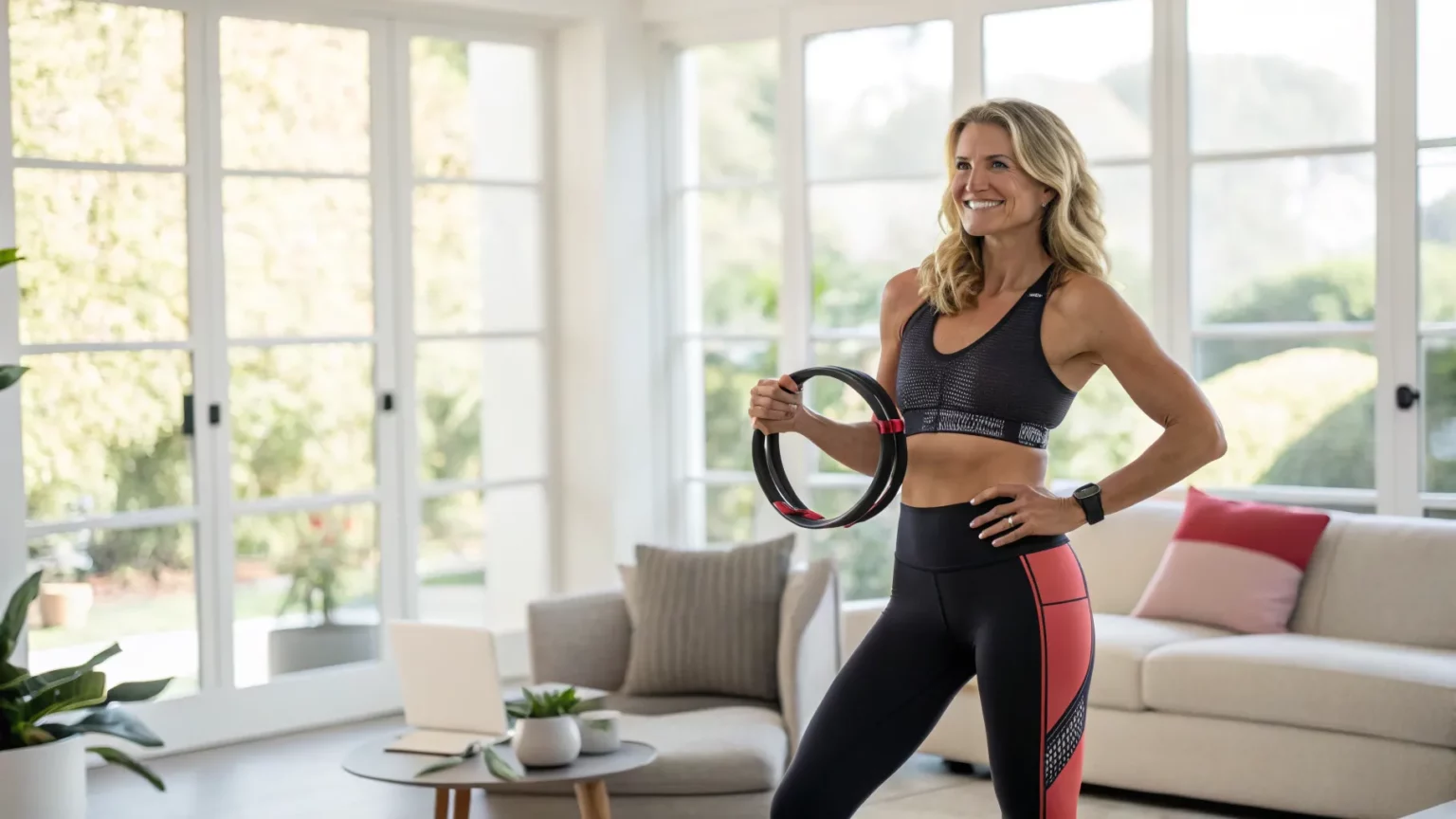
Natalie Holloway says a $900,000 deal on Shark Tank helped turn her $5,000 idea into a national name. The Bala Bangles co-founder appeared on “Mornings with Maria” to outline how the business grew from a modest start to mainstream success. Her remarks come as consumer fitness habits continue to shift, giving rise to at-home gear and stylish accessories.
Holloway, who serves as CEO, discussed the company’s path from early prototypes to major retail presence and brand recognition. The appearance offers a window into how a single TV moment can supercharge a consumer product. It also raises questions about sustaining growth in a crowded fitness market.
The Shark Tank Effect
For many consumer brands, national television brings instant exposure, investor funding, and credibility with retailers. Holloway’s company secured a $900,000 deal on the show, a figure that signals investor confidence and scale-up plans.
“Bala Bangles CEO and co-founder Natalie Holloway joins ‘Mornings with Maria’ to discuss turning a $5,000 startup into a national sensation after landing a $900K deal on ‘Shark Tank.’”
Such deals often provide more than cash. Founders gain access to mentorship, supply chain networks, and wholesale introductions. That mix can shave months off production timelines and open doors to major stores and e-commerce platforms.
From Bootstrapped Start to National Reach
Holloway’s $5,000 start highlights a common path in consumer goods: small-batch testing, quick feedback loops, and social media-driven awareness. Early adopters validate the concept and help shape product tweaks before large purchase orders arrive.
Key steps that often follow a TV-backed deal include:
- Securing manufacturing capacity to meet surge demand
- Tightening quality control to avoid returns and customer churn
- Negotiating retail terms, margins, and in-store placement
- Investing in digital ads and influencer partnerships
Companies that handle these moves can scale rapidly without sacrificing the design touches that drew shoppers in the first place.
Design and the Fitness Shift
Wearable weights have been around for decades, but Bala stood out by treating them like fashion-forward accessories. That design-first approach made the product shareable online and approachable for casual users. Color, comfort, and an easy onboarding experience matter to shoppers who are not gym regulars.



The rise of at-home workouts, accelerated by recent years of gym disruptions, also helped. Consumers sought compact gear that fit small spaces and daily routines. Lightweight items that ship easily and require little instruction saw stronger traction than bulky equipment.
Challenges Behind Rapid Growth
Scaling brings risks. A sudden spike in demand can strain suppliers and stretch cash. If inventory misses a season or viral moment, momentum can fade. Knockoffs and fast followers also pressure pricing and brand loyalty.
Smart operators counter these threats by broadening the product line, tightening patents and trademarks, and investing in customer service. They track return rates, maintain fair lead times, and keep new releases on a steady schedule to stay top of mind.
What Investors and Retailers Are Watching
Retail buyers look for consistent sell-through and clear brand identity. Investors seek margins that hold up under wholesale terms and freight volatility. For Bala, the Shark Tank funding likely supported bigger purchase orders and logistics, keeping shelves stocked while demand surged.
Marketing discipline is also key. Influencer partnerships, clear messaging, and fresh content help translate TV buzz into long-term loyalty. A direct-to-consumer channel offers higher margins and data on what customers buy next.
Outlook for Bala and Fitness Accessories
Lightweight gear and bodyweight training remain popular, especially among time-pressed shoppers. If Bala continues to deliver on design and availability, it can maintain its position while building new categories around the core product.
Future growth may hinge on measured expansion, reliable supply lines, and careful pricing. Partnerships with retailers and training apps could add reach without diluting the brand.
Holloway’s case shows how a small seed budget can scale when product design meets smart capitalization. With a televised deal to back operations, Bala moved from concept to national recognition. The challenge now is to turn that burst of attention into durable, profitable growth while staying true to what made the brand stand out.