



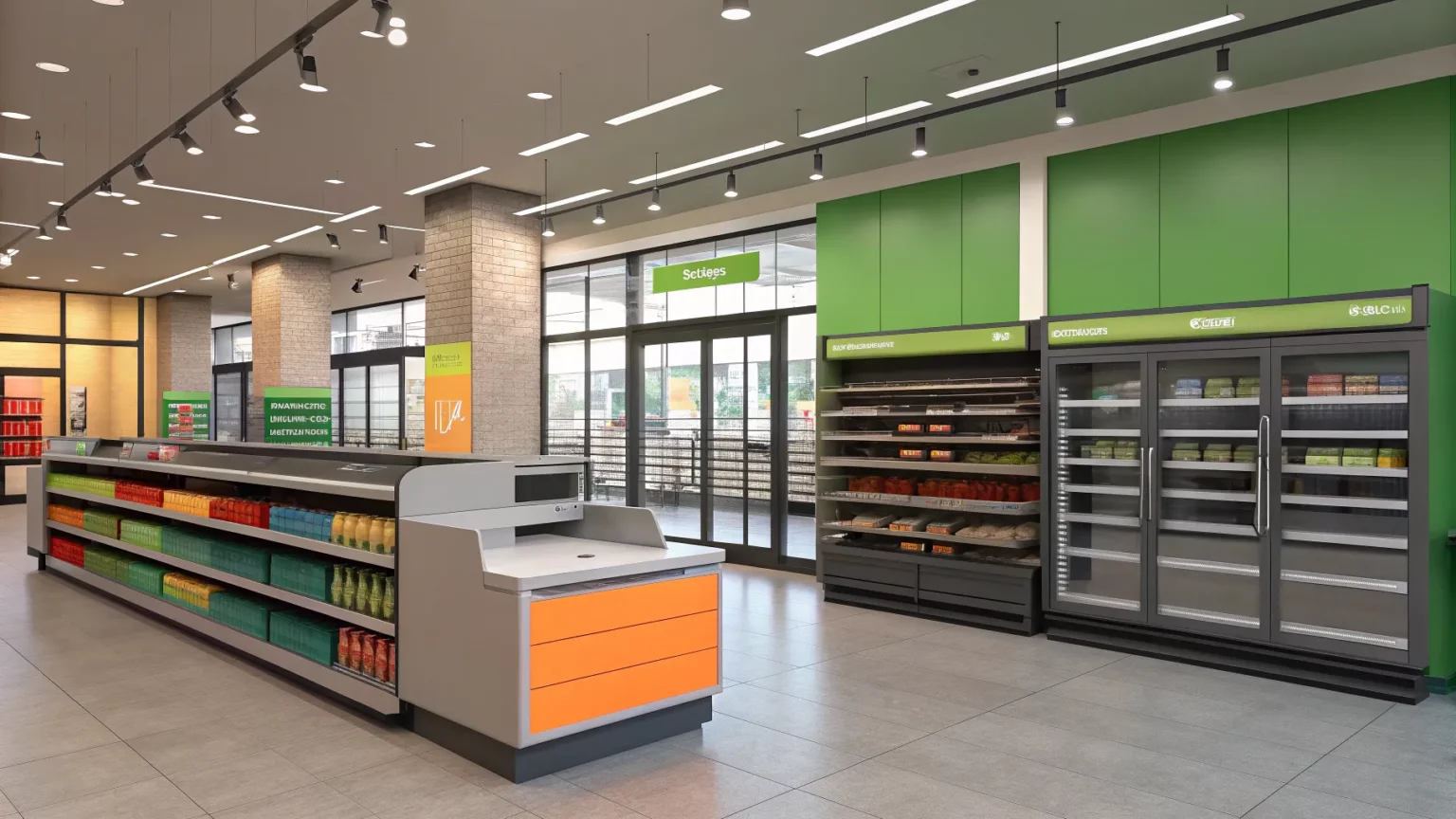
Amazon said it will shut its Amazon Go and Amazon Fresh stores, signaling a major pullback from its cashierless and branded grocery formats. The move, disclosed in a company statement, marks a shift in how the tech giant approaches physical retail and raises questions about the future of its in-store technology.
The company also announced it was closing its Amazon Go and Amazon Fresh stores.
Amazon did not release additional details in the statement. The timing, number of locations, and how the closures will roll out were not immediately clear. The decision follows years of experimentation with new store models and aggressive expansion into groceries.
Background: A Long Push Into Stores
Amazon’s push into brick-and-mortar accelerated after it bought Whole Foods Market in 2017 for $13.7 billion. That deal gave the company a nationwide grocery footprint and a fresh channel to reach Prime members.
Amazon Go stores debuted with a promise of a fast, checkout-free trip, using cameras and sensors to track items and charge customers automatically. Amazon Fresh followed as a separate grocery brand focused on convenience and value.
While both concepts drew attention, they faced the same challenges that have plagued grocery for decades: thin margins, complex operations, and fickle shopping habits. Pandemic-era shifts boosted online orders, but sustaining foot traffic and managing store costs remained tough.
Why It Matters for Retail
The closures suggest Amazon is rethinking how much it wants to operate its own stores outside Whole Foods. It also raises the possibility that the company will keep the technology it developed, even as it trims the store count.
Retail analysts say scaling a tech-heavy format is difficult in a segment where pennies matter. High hardware costs, deployment complexity, and ongoing updates can weigh on profits if sales do not grow fast enough.
- Grocery is a low-margin business, intensifying pressure on store operations.
- Shoppers still value promotions, fresh produce quality, and convenience over novelty.
- Competitors like Walmart, Costco, and regional chains have strong loyalty and scale.
Technology Questions Linger
Amazon Go’s “just walk out” idea promised speed and fewer lines. But cashierless systems must be precise, secure, and affordable to maintain. Any sustained gap between tech costs and store revenue makes expansion hard to justify.


Industry watchers will look to see whether Amazon licenses its systems to other retailers or pivots to lighter touch tools, such as smart carts or enhanced self-checkout. Those options can reduce capital expense inside stores while preserving some of the speed shoppers want.
Impact on Workers and Shoppers
Closures will affect store employees, suppliers, and landlords. Amazon did not outline staffing plans as part of the announcement. Companies usually try to offer transfers or severance, but the exact approach here is not yet public.
For shoppers, the end of Go and Fresh locations would narrow choices in some neighborhoods. It may also push more grocery customers to Whole Foods, local chains, or pickup and delivery services.
What Comes Next for Amazon in Grocery
Amazon still has major stakes in food through Whole Foods and its online marketplace. It can redirect investments into delivery, private-label goods, and advertising. It could also focus on partnerships with grocers instead of running more of its own stores.
The company has a history of testing, pausing, and iterating. That pattern may continue as it balances the cost of new store concepts with the scale of its logistics network and Prime membership base.
Amazon’s decision to close Go and Fresh is a clear reset. The company introduced bold ideas for the in-store experience, but the economics appear to have fallen short. The next phase will show whether the technology is more valuable inside Amazon’s own stores or in the hands of other retailers. Watch for clarity on the closure timeline, the fate of the cashierless systems, and how Amazon concentrates its grocery efforts in the year ahead.