




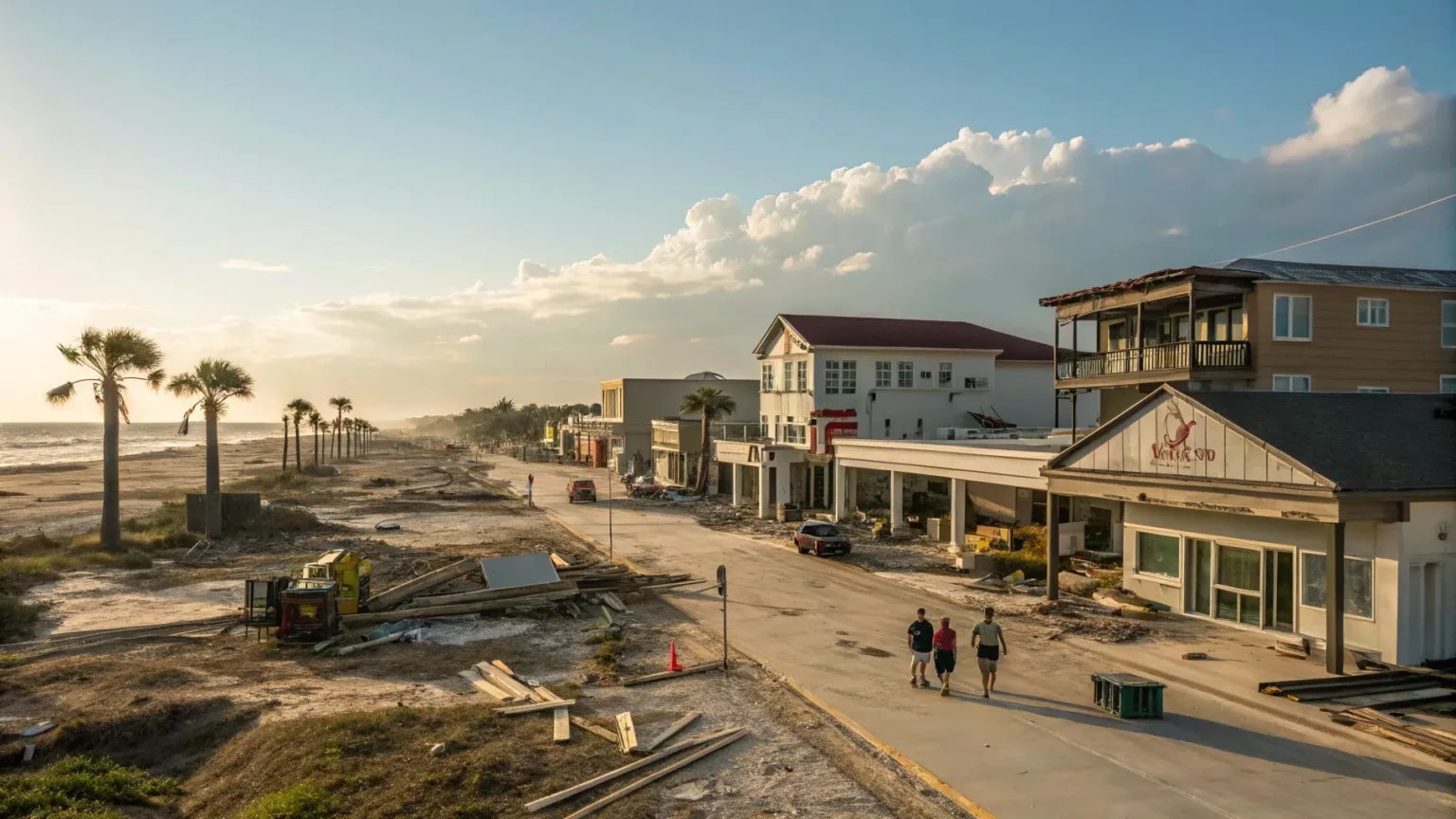
One year after Hurricane Helene tore through North Carolina, families and businesses are still repairing homes, reopening shops, and restoring routines disrupted by floodwater and wind. From the coast to the foothills, residents say recovery has been uneven and slow, even as billions of dollars in damage continue to shape local budgets and daily life.
The storm struck communities with destructive rain and surge, swamping roads, damaging public buildings, and closing schools. Emergency aid helped stabilize the immediate crisis, but long-term work has stretched into a second year. Local leaders and homeowners describe a mix of progress and fatigue as construction costs rise and insurance questions linger.
A Year of Repair and Strain
Many neighborhoods are still dotted with tarps, temporary repairs, and ongoing construction. Some families moved back into partially finished homes to save money. Others remain in rentals while waiting for contractors or final inspections. Crews have rebuilt culverts, repaired bridges, and cleared debris from creeks that overflowed last year.
Residents say the emotional toll has matched the financial hit. Parents worry about safety when heavy rain is in the forecast. Business owners keep a close eye on cash flow in case another storm cuts off customers.
“North Carolina families and business continue rebuilding one year after Hurricane Helene devastated communities and caused billions of dollars’ worth of damage.”
Homes, Schools, and Roads
Local school districts reopened damaged buildings in phases, starting with essential repairs to roofs, HVAC systems, and classrooms. Buses still detour around washed-out backroads in some counties. State transportation crews have focused on routes that carry emergency vehicles and connect rural towns to larger hospitals and supply hubs.
Housing remains a central challenge. Some properties in repetitive flood zones are candidates for buyouts, while others have been elevated. Renters face tight markets, especially where short-term housing has been limited by earlier storm damage.
Small Businesses Fight to Survive
Mom-and-pop shops that rely on local traffic were hit hard. A number of storefronts reopened with shorter hours or trimmed staff. Restaurants rebuilt kitchens ruined by water and mold, while auto shops and hardware stores stayed busy with repair orders.
Owners say supply costs and insurance deductibles cut into thin margins. Tourism-dependent towns are working to bring visitors back with events and marketing, though some waterfront attractions are still under repair.



Funding, Insurance, and Gaps
Federal and state programs have provided grants, loans, and technical support. FEMA assistance covered emergency needs and some rebuilding costs. Small Business Administration loans helped bridge gaps for shops and service firms. Longer-term money from housing and community development grants is moving, but communities report delays.
Insurance claims remain a sticking point. Many homeowners found wind coverage did not cover flood losses, or policies carried high deductibles. Agents report a rise in policyholders seeking clear guidance on coverage for future storms.
- Short-term aid eased immediate needs.
- Rebuilding funds are still arriving.
- Insurance gaps slowed home repairs.
- Local budgets face repair backlogs.
Lessons and What Comes Next
Officials and engineers are pushing for stronger building standards, higher elevations for new homes in risk zones, and smarter drainage. Towns are mapping trouble spots and clearing ditches and culverts more often. Emergency managers have updated evacuation routes and shelter plans for people with medical needs and pets.
Communities also stress the need for mental health support. Faith groups, nonprofits, and schools have offered counseling and volunteer help. Neighborhood networks that formed during the storm now check on seniors and distribute supplies during heavy rain.
A Measured Path Forward
Forecasts call for another busy hurricane season, which worries families still waiting on repairs. Local leaders urge homeowners to document work, review insurance coverage, and prepare go-bags. Businesses are backing up data, installing flood barriers, and testing generators.
Recovery is visible on many streets, but unfinished work is just as clear. The coming months will test whether funding, permits, and construction capacity can match the remaining needs. Residents say progress is real, even if slower than hoped.
As the second year of recovery begins, North Carolina’s next steps hinge on steady funding, faster insurance resolutions, and practical mitigation. Communities will watch key repairs, school readiness, and flood-control projects. With stronger plans and hard lessons learned, the state aims to rebuild safer—and stay open for the storms that may follow.