



A new wildlife special is drawing attention to some of nature’s flashiest romances, spotlighting dancing seahorses and showy peacock spiders as they compete for love. The broadcast, debuting this week on a major nature channel, brings viewers to coastal shallows and scrublands to watch elaborate courtship on display and the science behind it.
The production focuses on how species communicate, choose partners, and pass on their genes. Filmed across Australia and Southeast Asia, it pairs high-speed cameras with field notes to show behaviors that often happen too fast or too small for the naked eye. The goal is to explain why these rituals exist and what they reveal about life under changing conditions.
Spotlight on Courtship Rituals
“These amorous creatures could put Casanova to shame—from beguiling dancing seahorses to peacocking spiders.”
The narrator’s opening line sets the tone for a program that treats mating as a high-stakes performance. Biologists interviewed in the special say courtship is not just for show. It is a filter for health, coordination, and genetic quality. The film links movement, color, and sound to the practical work of reproduction.
Researchers explain that the most dramatic routines often emerge where rivals are many and mates are choosy. In such places, selection pressures can turn a simple signal into a daily ritual.
Dancing Seahorses: Bonding and Birth Roles
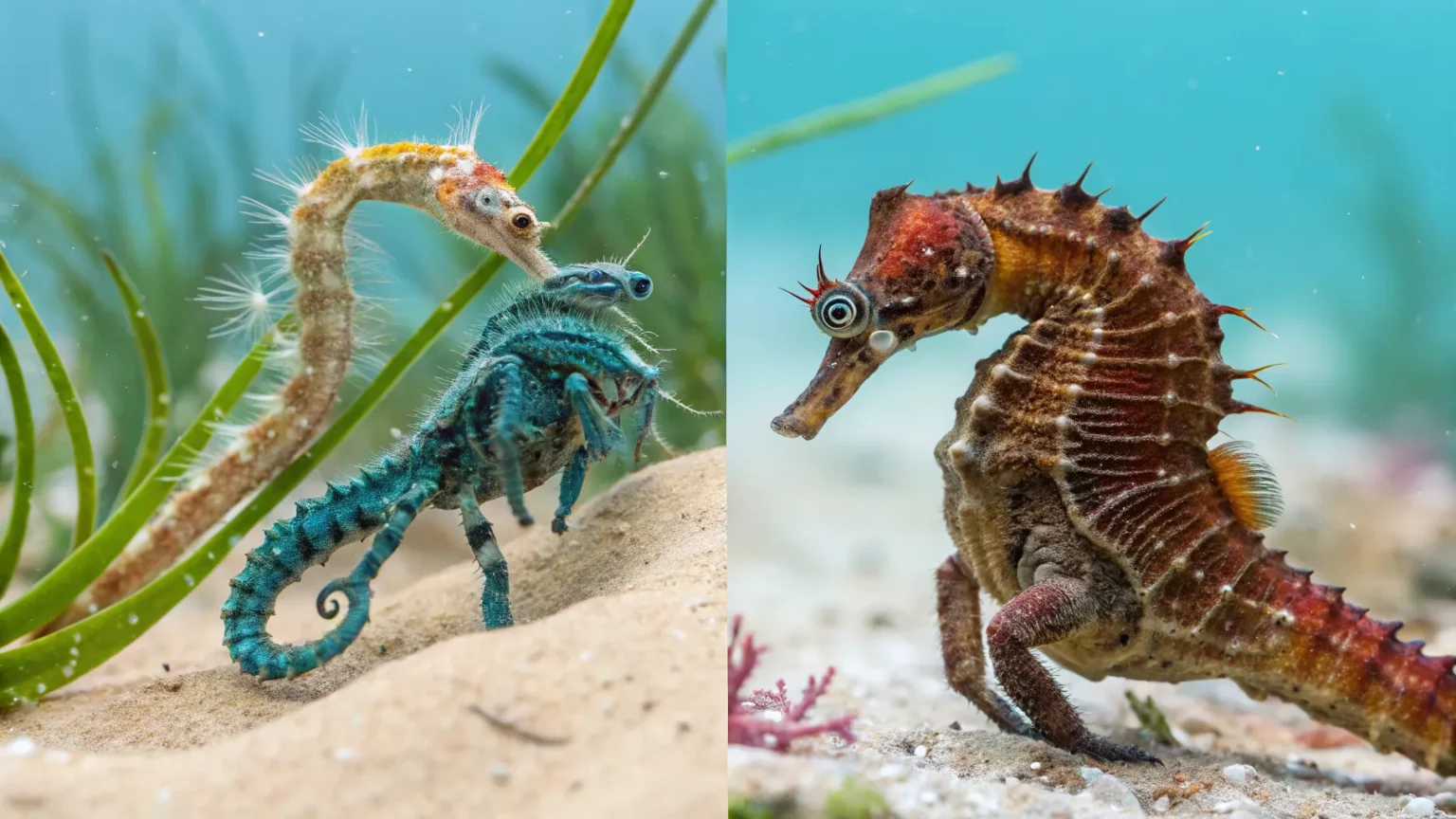
The crew follows a pair of seahorses meeting at dawn. They mirror each other’s twists, rise in unison, and change shades as they move through eelgrass. Scientists say this daily dance helps pairs stay in sync during the breeding season.
Seahorses are unusual because males become pregnant. After a courtship that can last minutes to hours, the female deposits eggs into the male’s brood pouch. He fertilizes and carries them until birth. Depending on the species, he can release from dozens to hundreds of tiny fry.
Field notes in the program link tighter, longer dances with higher chances of a successful transfer. The dance may cue hormone shifts that prepare the pouch. It also helps partners find each other again in murky water, where sight lines are short.
Peacock Spiders: Color, Rhythm, and Risk
On land, the cameras capture peacock spiders raising their colorful flaps and vibrating their abdomens. Males wave legs like flags and drum the soil to send signals the female can feel. The routine must be precise. A wrong beat can end the courtship fast.



Biologists in the special say females judge the clarity of color patches and timing of steps. Clean lines and steady rhythm suggest a strong, healthy mate. The stakes are high. A male who fails to impress risks being chased off or even eaten.
- Vivid color shows up best in bright light, so many displays peak at midday.
- Ground vibrations travel farther in dry soil, shaping where males perform.
Why These Displays Matter
The filmmakers tie showmanship to survival. In both water and on land, displays help avoid fights, reduce wasted energy, and improve pairing. They also reveal how species adapt. If water clouds or habitats dry, signals can shift from visual to touch or sound.
Experts point to pressure from predators and rivals. A flash of color or a rise to the surface draws eyes. Animals must weigh the gain of winning a mate against the risk of being seen. That trade-off shapes how bold or subtle each move becomes.
What Scientists Are Watching Next
The program closes with open questions. How will warming seas change seahorse timing and dance length? Will shifting light and noise alter peacock spider cues? Early field reports hint at adjustments in schedules and sites as conditions move.
Researchers plan to track the same pairs and territories over several seasons. High-speed footage and vibration sensors will help measure small changes that add up to new mating styles. Viewers are told that these courtships are more than spectacle. They are signals of ecosystem health.
As the credits roll, the message is clear. The show is dazzling, but the science runs deeper. Courtship reveals how life solves problems, one step and one twirl at a time. Expect more findings as teams return to these shores and scrublands, watching for the next dance and the next drumbeat.