



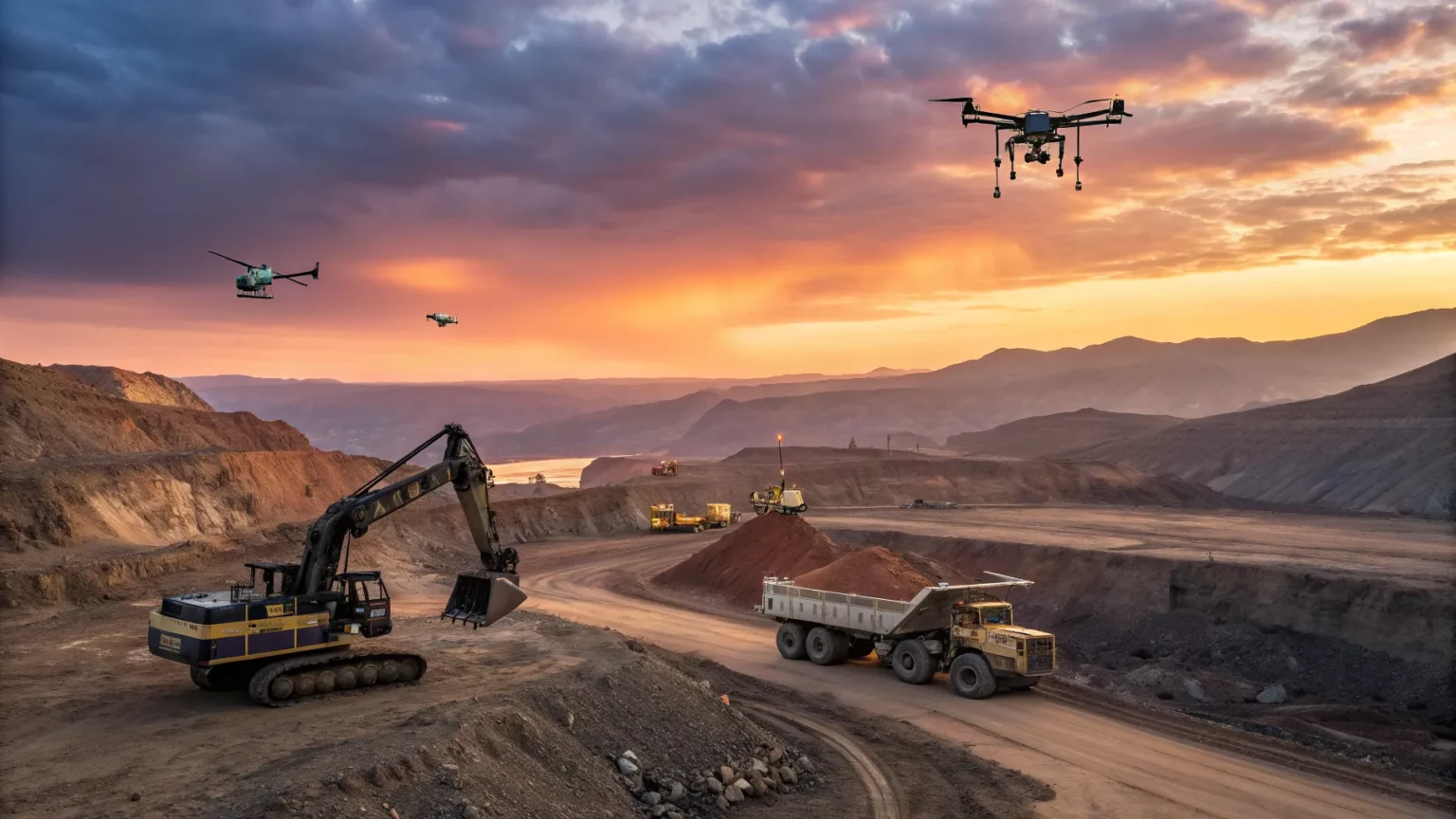
Freeport-McMoRan, one of the world’s largest copper producers, is moving to scale artificial intelligence and autonomous systems across its mines to lift output, improve safety, and cut emissions. The company framed the shift as a way to strengthen performance and meet growing demand for metals tied to electrification and infrastructure.
“Mining giant Freeport-McMoRan is harnessing AI and autonomous systems to boost productivity, safety and sustainability across its global mining operations.”
The push comes as copper markets tighten and operators look for gains without new large-scale projects. It also signals how digital tools are reshaping heavy industry, from pit to port.
Why Freeport Is Betting On Automation
Mining has long struggled with volatile prices, high costs, and safety risks. AI promises faster decisions from real-time data, while autonomous machines can work longer hours with fewer errors. For a global portfolio like Freeport’s, small improvements can add up across mines, mills, and smelters.
The company’s statement highlights three linked goals: higher productivity, safer worksites, and better environmental performance. Those targets match pressures from investors and customers seeking reliable copper supply with lower carbon footprints.
What AI Can Do In The Pit And Plant
AI tools can analyze ore grades, predict equipment failures, and fine-tune grinding and flotation. Autonomous trucks and drills keep operations steady and reduce incidents tied to fatigue. Collision-avoidance and geofenced routes help control traffic in busy pits.
Industry peers show what this can look like at scale. Major miners in Australia have deployed autonomous haulage, reporting fewer safety events and more consistent cycle times. Similar systems in drilling and dozing are spreading to other regions as connectivity improves.
Safety And Workforce Impacts
Removing people from high-risk zones is a clear safety win. Fewer light vehicles in the pit and more automation in blasting and loading can reduce the most severe incidents. However, workforce transitions matter. Roles shift from manual operation to monitoring, maintenance, and analytics.
Freeport did not detail staffing plans, but training will be central. Unions and local communities will watch how job profiles change and whether new roles are accessible to current employees.

Environmental And Cost Considerations
AI can help cut diesel use by optimizing routes, idle time, and fleet size. Process controls can stabilize mills, saving energy and water per ton of concentrate. These gains support emissions targets and can lower costs during price dips.
- Optimized haul cycles reduce fuel burn.
- Predictive maintenance limits breakdowns and spare parts waste.
- Stable milling lowers energy intensity per unit of metal.
Such improvements depend on data quality and network reliability. Mines often sit in remote areas where connectivity is a constraint. Upfront spending on sensors, networks, and software is significant and requires strong returns.
Risks And Governance
More digital systems introduce cyber risk. Clear access controls, backups, and incident drills are needed to avoid downtime or safety issues. Algorithm bias and weak data can lead to poor operating calls, so human oversight remains important. Regulators and investors are also asking for proof that AI decisions meet health, safety, and environmental standards.
Market Context And What To Watch
Copper demand is linked to power grids, electric vehicles, and data centers. If supply growth lags, prices can swing, rewarding firms that squeeze more metal from existing ore. That gives Freeport an incentive to push proven tools and avoid untested experiments.
Analysts will look for clear milestones, such as the share of autonomous haulage hours, reductions in incident rates, and changes in energy intensity. Comparable metrics from other miners suggest steady, not dramatic, year-over-year gains when programs are well run.
Freeport’s message is clear: digital systems are not optional if miners want safer sites and stronger returns. The next test is execution. Investors and communities will want evidence that productivity rises, injuries fall, and emissions drop. The company’s scale gives it leverage to standardize across sites, but success will hinge on reliable data, skilled people, and tight governance. Watch for phased rollouts, transparent targets, and third-party verification as signs that the plan is working.