




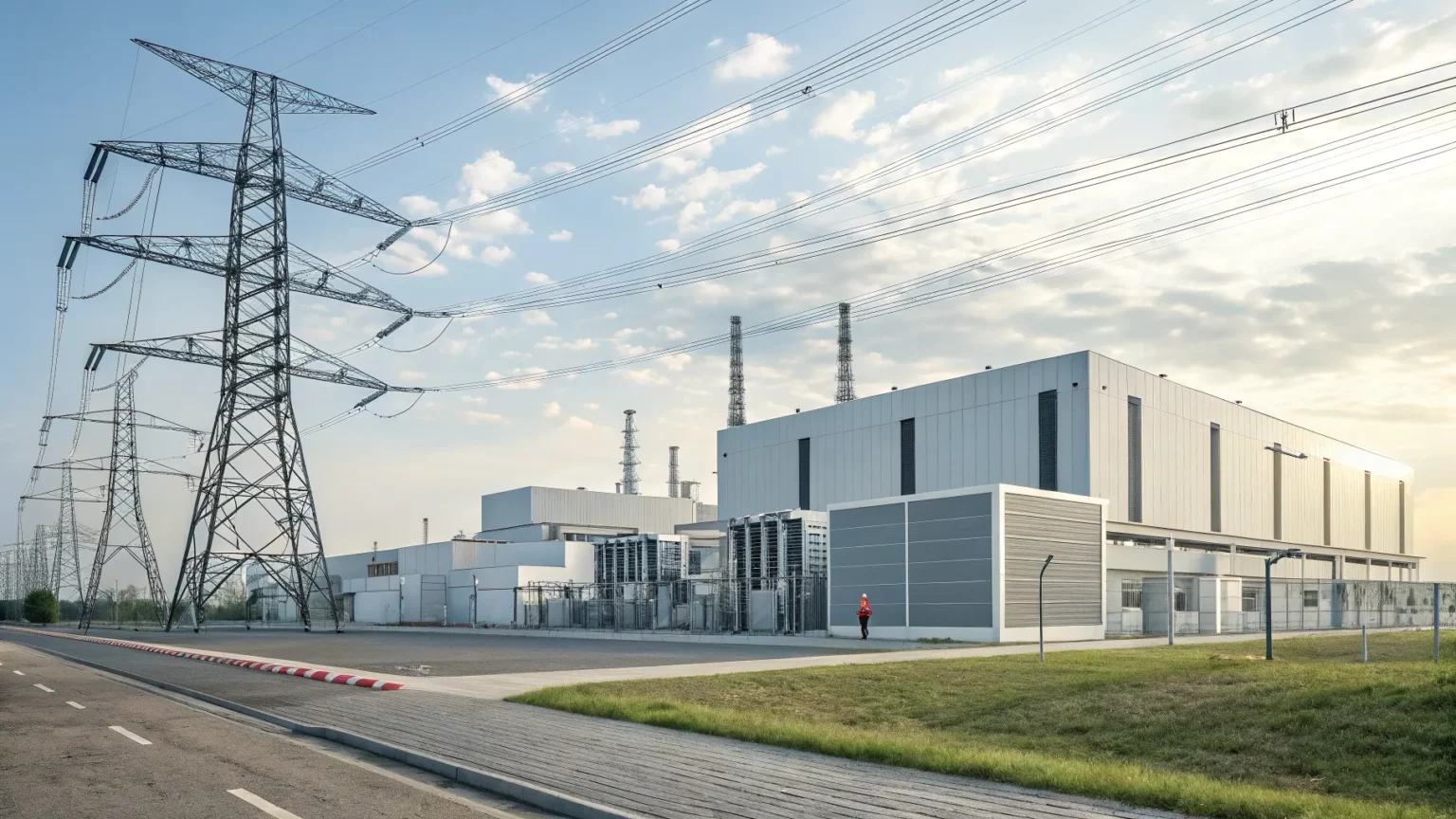
BlackRock Inc.’s Global Infrastructure Partners and EQT AB agreed to buy AES Corp. for about $10.7 billion in cash, betting on rising electricity demand from AI data centers.
The buyers plan to take control of a major power producer as developers race to secure reliable energy for new computing hubs. The purchase highlights how investment firms see value in generation and grid assets as technology companies scale artificial intelligence. Timing details and closing conditions were not disclosed in the statement.
“BlackRock Inc.’s Global Infrastructure Partners LP and EQT AB agreed to buy AES Corp. for about $10.7 billion in cash as the market heats up for power plant developers that can provide electricity for energy-hungry AI data centers.”
Why Power Assets Are in Demand
Electricity use tied to data centers is rising as companies deploy larger models and expand cloud capacity. Operators need steady power, often around the clock, with strict reliability targets.
That requirement has pushed hyperscalers to sign long-term contracts, seek new grid connections, and press for faster project timelines. Investors have responded by targeting generators with flexible fuel mixes, access to transmission, and sites that can be expanded.
AES Corp., a longstanding producer, brings operating plants, development pipelines, and experience managing large customer loads. Those features are attractive to buyers serving clients that prize speed to power and stable delivery.
Deal Logic and Strategic Aims
The all-cash offer signals confidence in future cash flows from serving AI and cloud customers. It also suggests room for upgrades, including grid interconnections, firming capacity, and digital controls.
- Securing firm power for AI data centers is a top priority for technology firms.
- Long-term offtake agreements can support financing for new or repowered plants.
- Flexible portfolios that blend gas, renewables, and storage can serve variable demand.
Private investment can speed project execution. It can also back new infrastructure such as high-voltage lines and peaker units to support intermittent renewables. For buyers, operating scale and customer relationships may unlock growth across multiple regions.
Energy Mix and Emissions Questions
The surge in AI demand has renewed debate over how to meet load growth while curbing emissions. Gas plants offer reliability, but they add to greenhouse gases. Wind, solar, and storage can cut emissions, yet they need backup and transmission.



Environmental groups have urged buyers and data center operators to pair new demand with clean supply. Grid planners warn of connection backlogs and supply chain delays. Communities near proposed sites raise concerns about water use, land impacts, and air quality.
How AES’s new owners balance reliability, cost, and carbon will draw close attention. Stakeholders will look for clear targets on new builds, retirements, and power purchase agreements.
Market Impact and What to Watch
Rivals may pursue similar deals to secure pipelines and interconnection rights. Utilities and independent power producers could see stronger pricing for capacity near major data center clusters.
Financing conditions matter. Higher rates raise project costs, yet long-term contracts with investment-grade buyers can offset that risk. Policy incentives for clean energy and transmission could tilt development plans toward low-carbon options.
Regulatory review will be key. Authorities will examine market concentration, reliability outcomes, and consumer impacts. Labor and local governments will weigh construction jobs and tax bases against community concerns.
Signals for the AI Buildout
This transaction reflects a broader shift: data infrastructure is now tied to power infrastructure. As models grow, so does the need for steady, scalable electricity.
If the deal closes, watch for announcements on new capacity near established data center corridors, including commitments to storage and fast-ramping units. Also watch contracting activity with major cloud providers and chip firms.
The agreement positions the buyers to supply a core input for the AI economy: reliable power. Success will depend on how quickly they can add capacity, control costs, and cut emissions without straining the grid.
The next phase will show whether private capital can build at the speed AI developers expect while meeting climate goals. Investors, customers, and regulators will be watching closely.