


Energy analysts warned of a fresh supply scare after U.S. strikes on Iran renewed fears of shipping disruptions through the Strait of Hormuz, a key oil artery. The concern centers on whether tankers can move safely through the narrow waterway in the coming days. Traders, shippers, and policymakers are watching for signs of retaliatory action and security moves in the Gulf.
“Energy analysts are bracing for a possible oil supply shock after U.S. strikes on Iran reignited fears of disruptions in the Strait of Hormuz.”
The warning comes as risk premiums climb and governments weigh options to shield consumers from price spikes. Any blockage or threat to traffic could tighten supplies fast and test emergency plans.
Why the Strait Matters
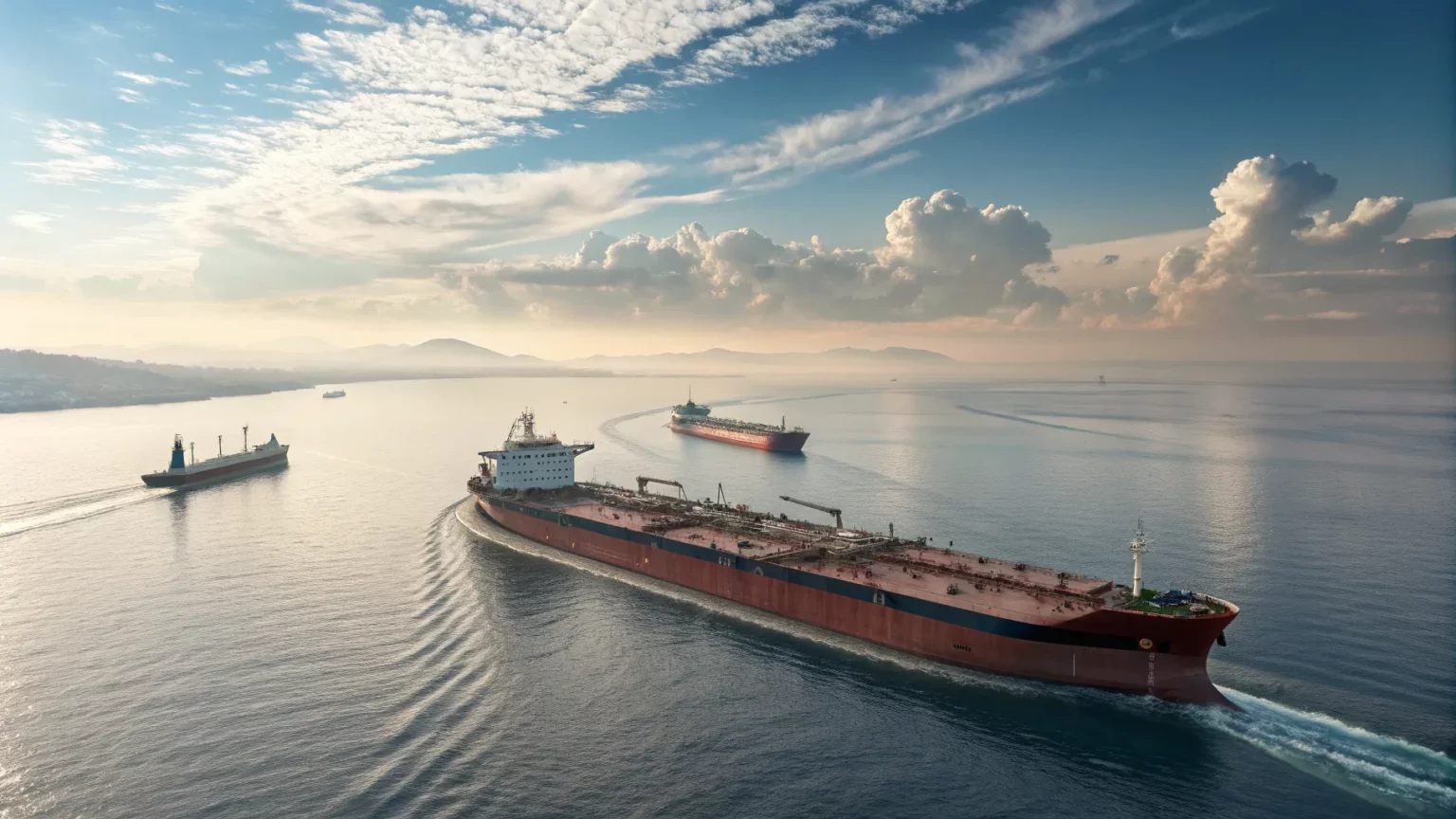
The Strait of Hormuz connects the Persian Gulf with global markets. It is about 21 miles wide at its narrowest point. Two shipping lanes, each only two miles wide, carry most tanker traffic.
Roughly one-fifth of the world’s oil trade passes through the strait, along with large volumes of liquefied natural gas from Qatar. Even brief delays can ripple into higher costs for refiners and airlines and lift gasoline prices.
Past flashpoints in the Gulf show how fragile flows can be. In 2019, tanker incidents and drone strikes on Saudi facilities sent prices higher for weeks. Naval escorts and insurance surcharges followed, adding costs to every barrel shipped.
Market Reaction and Scenarios
Early market moves point to a higher risk premium on crude benchmarks. Shipping insurance and freight rates often react first when security risks rise. Refiners may build inventories, while airlines and trucking firms hedge fuel needs.
Analysts outline several paths from here:
- Heightened patrols, steady flows: Gulf navies and partners increase escorts, keeping traffic moving. Prices rise modestly on risk alone.
- Intermittent disruption: Harassment or mines slow convoys. Insurance surges and delays tighten supply, lifting prices more sharply.
- Severe blockage: A sustained shutdown drives a supply shock. Strategic reserves and spare capacity become critical.
Spot markets tend to price the worst risk first and adjust if flows continue. That can bring volatile swings day to day.

Shipping and Security Risks
Tankers are vulnerable in tight waters with limited room to maneuver. Even a small incident can cause traffic jams. Convoys, naval escorts, and minesweeping increase safety but take time to organize.
War risk insurance can jump when threat levels rise. During previous Gulf tensions, premiums added up to dollars per barrel on some routes. Charterers then face a choice: pay more, wait, or reroute cargo using longer paths that add days and fuel costs.
Spare Capacity and Emergency Options
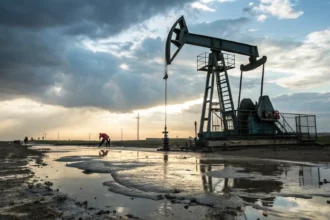
Key producers hold spare capacity that can cushion shocks, though it cannot replace a full closure. Some Gulf oil can move by pipeline to Red Sea ports, but volumes are limited compared with normal flows through Hormuz.
Consumer countries also keep strategic petroleum reserves. These stocks can be released to stabilize prices and supply. The International Energy Agency coordinates such actions among members when global supply is disrupted.
If prices surge, governments may weigh tax adjustments or targeted relief to blunt the hit to households and small businesses. Refiners could shift crude slates or draw stored products to meet demand.
Economic Stakes for Households and Industries
Higher crude prices tend to show up at the pump with a lag. Airlines and shippers feel the impact in jet fuel and marine fuel, which can raise ticket and freight prices. Petrochemical feedstocks also become more expensive.
For emerging markets that import fuel, a stronger dollar and pricier oil can strain budgets. That can push central banks to stay cautious on rate cuts even as growth slows.
What to Watch Next
Markets will track tanker traffic data, insurance rates, and official statements from Gulf states. Signs of de-escalation could ease pressure. Evidence of harassment or delays would point to tighter supply ahead.
Supply chains have adapted to past shocks, but Hormuz is unique in scale. A normal flow keeps prices anchored. A prolonged disruption would test spare capacity, emergency reserves, and diplomacy at the same time.
For now, risk has risen and the stakes are clear. Energy security, shipping safety, and consumer prices will hinge on what happens in the strait in the coming days.