




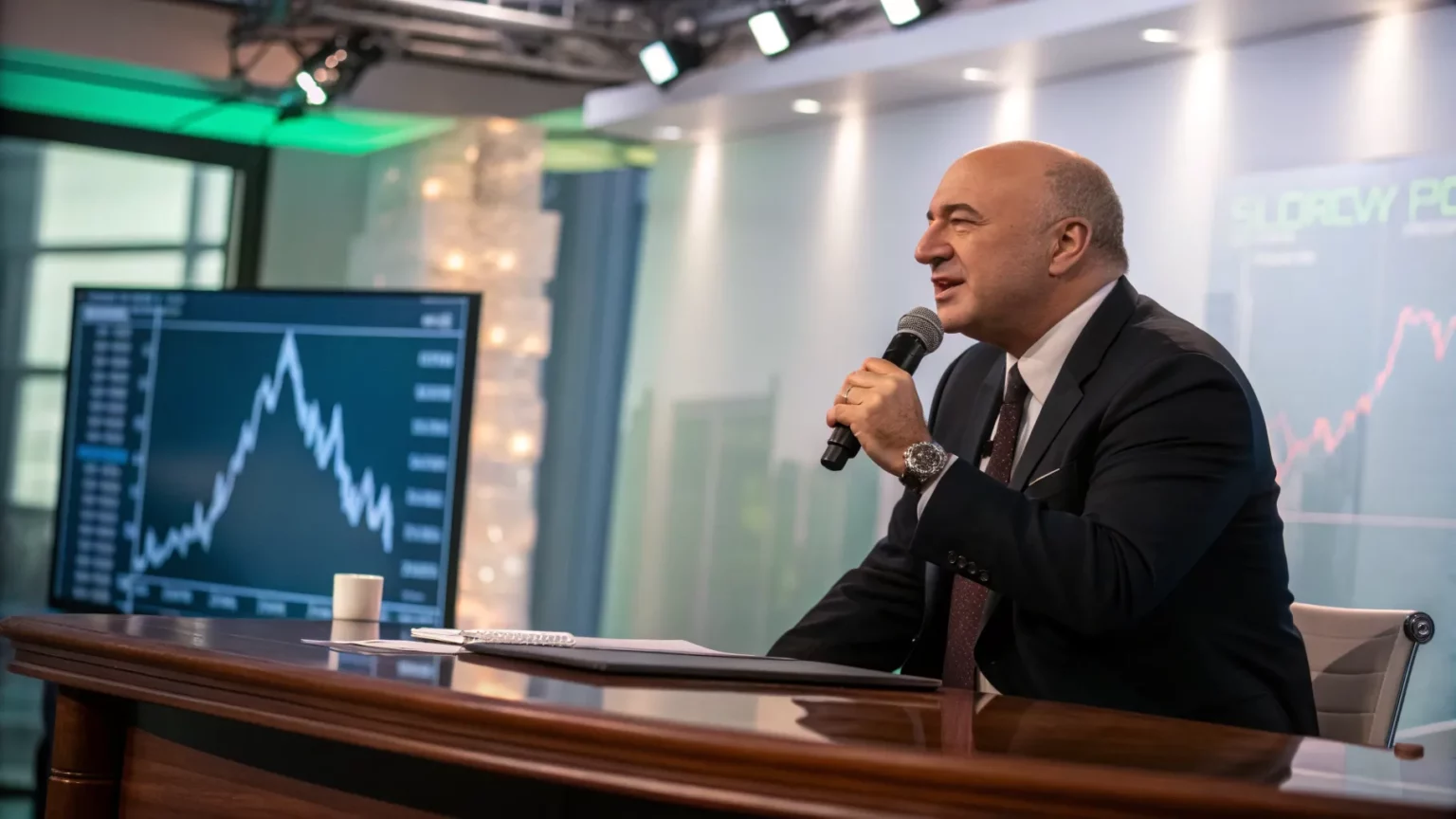
Investor Kevin O’Leary used a national business show to assess what President Donald Trump may be seeking with tariff threats, reviving a debate over costs, leverage, and jobs. Speaking on The Big Money Show, the O’Leary Ventures chairman examined why tariffs are back at the center of trade and election talk, and what that could mean for markets and households.
The discussion comes as trade policy again shapes campaign platforms and boardroom plans. It highlights a core question for voters and investors: Are new tariffs a negotiating tool or a long-term plan to reset supply chains?
How Tariffs Returned to the Forefront
During Trump’s first term, the United States placed tariffs on hundreds of billions of dollars of imports, including steel, aluminum, and a wide range of Chinese goods. Retaliation followed from key partners. Many duties remained under the next administration. Some were even expanded in targeted areas such as green tech inputs, keeping pressure on trade flows.
Economists widely agree that import duties tend to raise costs for businesses and consumers. Supporters counter that they help shield strategic industries and strengthen bargaining power in talks over market access and intellectual property. Average U.S. tariff rates roughly doubled after 2018, a shift that fueled both factory announcements and higher input prices.
What O’Leary Identifies as the Possible Endgame
O’Leary framed the core issue as intent. Is the goal to secure better terms from trading partners or to set a new baseline for global commerce? He weighed the trade-offs companies face as they plan capital spending and hiring.
- Negotiating leverage: Duties used to draw concessions on market access and tech transfer.
- Industrial policy: Tariffs as a shield for sectors like steel, autos, and semiconductors.
- Supply chain shifts: Incentives to move production to the U.S. or allied countries.
- Revenue and inflation: Impact on federal revenue and consumer prices at the checkout.
For boardrooms, the timeline matters. A short, tactical push could keep companies flexible. A durable tariff regime would drive longer-term moves, including onshoring and supplier diversification.
Winners, Losers, and the Bill
Past rounds offer clues. Certain factories reopened or expanded after import duties rose, especially in metals and finished goods like appliances. Yet many firms paid more for inputs, narrowed margins, or passed costs to customers. Farmers faced retaliation abroad and needed federal aid to cushion the blow. Port traffic, trucking, and warehousing also felt whiplash as sourcing patterns shifted.
Studies from central bank researchers and universities found that most tariff costs were borne domestically, though effects varied by sector. Companies with pricing power did better than small importers tied to catalog prices or long contracts. The broader inflation impact was modest but real, concentrated in tariffed categories and goods using tariffed parts.



Market and Political Calculus
Investors tend to price tariffs in through earnings risk, currency moves, and demand shifts. Retailers and manufacturers with heavy import exposure draw scrutiny. Energy and shipping firms track changes in trade routes. If tariffs steer purchases to U.S. or allied suppliers, winners may emerge in logistics, tooling, and advanced manufacturing.
Politically, both major parties have grown more skeptical of past trade models. Public support for trade remains mixed, with strong backing for measures seen as addressing unfair practices. The debate now centers on how far and how fast to move without raising costs too sharply for households.
What to Watch Next
O’Leary’s analysis points to a handful of markers that will define the path forward: clarity on tariff scope, exemptions for critical inputs, and any parallel push on domestic incentives. Markets also watch for signals from key partners on retaliation or fresh talks.
For businesses, scenario planning is essential. Boards are mapping out tiers of suppliers, insurance for commodity swings, and automation projects that cut unit costs. Trade lawyers and compliance teams are busy, too, tracking country-of-origin rules and potential carve-outs.
O’Leary’s appearance sharpened a practical frame for the policy fight: tariffs are either a temporary squeeze for a better deal or a lasting reset of trade. The distinction will shape prices, profits, and paychecks. Investors and voters should look for concrete targets, timelines, and enforcement measures. If the strategy is leverage, expect bargaining and phased rollbacks tied to wins. If it is a lasting reset, expect more relocation of sourcing, new factory plans, and a premium on supply chain resilience.