


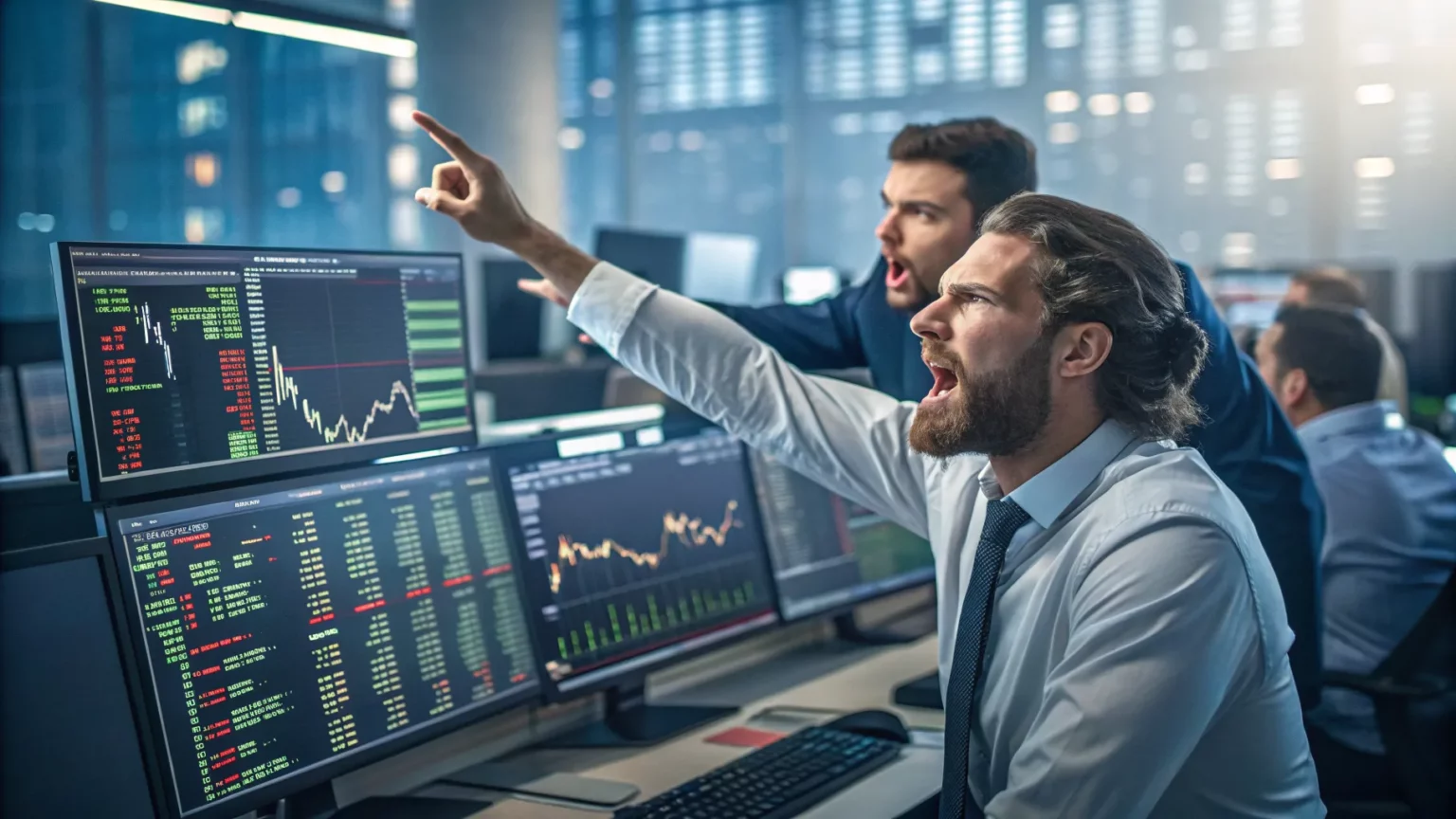
Anonymous trades placed only hours before attacks in Iran that reportedly killed Supreme Leader Ali Khamenei have sparked fears of insider dealing across global markets. The activity, described as unusual and timed ahead of the violence, has prompted calls for swift review by regulators. Officials and investors now want to know who placed the bets, what they knew, and when they knew it.
The concern centers on whether someone with advance knowledge of the strikes used that information to profit. Such conduct would violate market abuse and securities laws in many jurisdictions. The issue also matters for energy, currency, and defense markets, which often react sharply to Middle East shocks.
“Anonymous bets hours before attacks on Iran that killed Supreme Leader Khamenei have raised concerns of insider trading.”
What Is Known So Far
Details about the trades remain thin. The transactions were reportedly placed shortly before the strikes and appear connected to assets sensitive to Middle East risk. Without public confirmation from exchanges or watchdogs, the scale and instruments involved are unclear.
Even limited evidence can trigger scrutiny. Exchange surveillance teams flag outlier positions, sharp spikes in options volume, and leveraged trades that line up with later news. Regulators can then seek account records, communication logs, and the identity of beneficial owners behind shell accounts.
How Authorities Track Suspicious Trading
Modern market surveillance relies on pattern detection and data sharing across borders. The core steps are consistent in the United States, Europe, and Asia.
- Identify unusual price moves or volume before major news.
- Trace the orders to the original account holder and any intermediaries.
- Review communications to test for leaks or tip chains.
- Assess whether the event was truly non-public and market-moving.
Cross-border cooperation is common when trades run through offshore brokers. Information requests may involve exchanges, clearing houses, banks, and messaging platforms. If officials find evidence of intent, they can freeze gains and pursue civil or criminal penalties.
Why Markets Care
Insider trading linked to conflict can damage confidence even more than corporate leaks. It raises the risk that violent events become profit engines for a few. That perception can push ordinary investors to step back and can add costs for firms hedging real-world exposure.
Energy and shipping markets are especially sensitive. When security shocks hit major producers or transit routes, oil prices and freight rates can swing within minutes. Currency pairs tied to safe havens, such as the U.S. dollar and Swiss franc, also tend to jump on such news.

Alternative Explanations
Not every suspicious pattern proves misconduct. Traders sometimes build positions ahead of scheduled policy risks, routine military drills, or as part of broad hedging programs. Algorithms can also trigger momentum trades that look prescient after the fact. Investigators must show a link between the information, the timing, and the trader’s intent.
Market lawyers caution against quick conclusions. They note that options markets, in particular, often show bursts of activity due to low costs and leverage, which can mimic informed trading.
Legal and Ethical Stakes
Most major markets ban trading on material non-public information, whether the tip comes from corporate insiders or government leaks. Penalties can include disgorgement of profits, fines, trading bans, and prison terms. If proceeds move through crypto or opaque offshore structures, tracing funds becomes harder but not impossible.
There is also an ethical line. Profiting from foreknowledge of deadly attacks risks normalizing violence as a tradable event. Financial institutions typically require enhanced reviews for clients active in sensitive geopolitical areas and can file suspicious activity reports when patterns look deliberate.
What To Watch Next
Key signals will include whether exchanges or securities agencies announce formal probes, whether any brokers disclose account freezes, and whether large positions are unwound under pressure. Energy and defense equities could face whiplash as facts emerge.
If authorities confirm illicit trading, they may push for tougher reporting rules on derivatives and faster disclosure of large positions around geopolitical flashpoints. If not, the episode will still serve as a stress test for surveillance systems meant to keep markets fair during crisis.
The coming days will show whether these trades were foresight, coincidence, or a crime. Transparency from watchdogs and exchanges will be vital to restore trust and limit the chance that violent news becomes a trading strategy.