



The United States is being cast as the world’s most secure energy power, with advocates tying that status to the Shale Revolution and policy choices under former President Donald Trump. The claim highlights a debate over how drilling technology, export growth, and deregulation have reshaped energy markets, national security, and climate goals. It also sets up a larger question for policymakers and industry leaders: how durable this advantage will be as demand, geopolitics, and regulations shift.
A Bold Claim About Energy Security
“The Shale Revolution and Trump’s energy dominance agenda have combined to elevate U.S. energy security to unrivaled status among global powers.”
The statement points to a simple thesis. New drilling techniques opened vast supplies of oil and gas, and federal policy favored more production and exports. Together, supporters say, these forces reduced import dependence and boosted U.S. influence in global markets.
How Shale Changed the Supply Picture
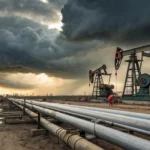
Hydraulic fracturing and horizontal drilling unlocked resources in places once considered uneconomic. Production surged in basins such as the Permian, Marcellus, and Bakken. The result was more domestic supply and a cushion against external shocks.
In natural gas, rising output fed power plants and petrochemical facilities and supported a fast-growing liquefied natural gas trade. In oil, higher production cut reliance on foreign barrels and helped stabilize inventories. Many refineries adapted to new feedstock streams, though bottlenecks and transport limits have at times strained the system.
Shale’s short-cycle nature also gave producers more flexibility. Companies can adjust drilling plans faster than large offshore projects, aiding response to price swings. Critics note that such agility cuts both ways, exposing workers and local economies to abrupt slowdowns when prices fall.
The “Energy Dominance” Policy Frame
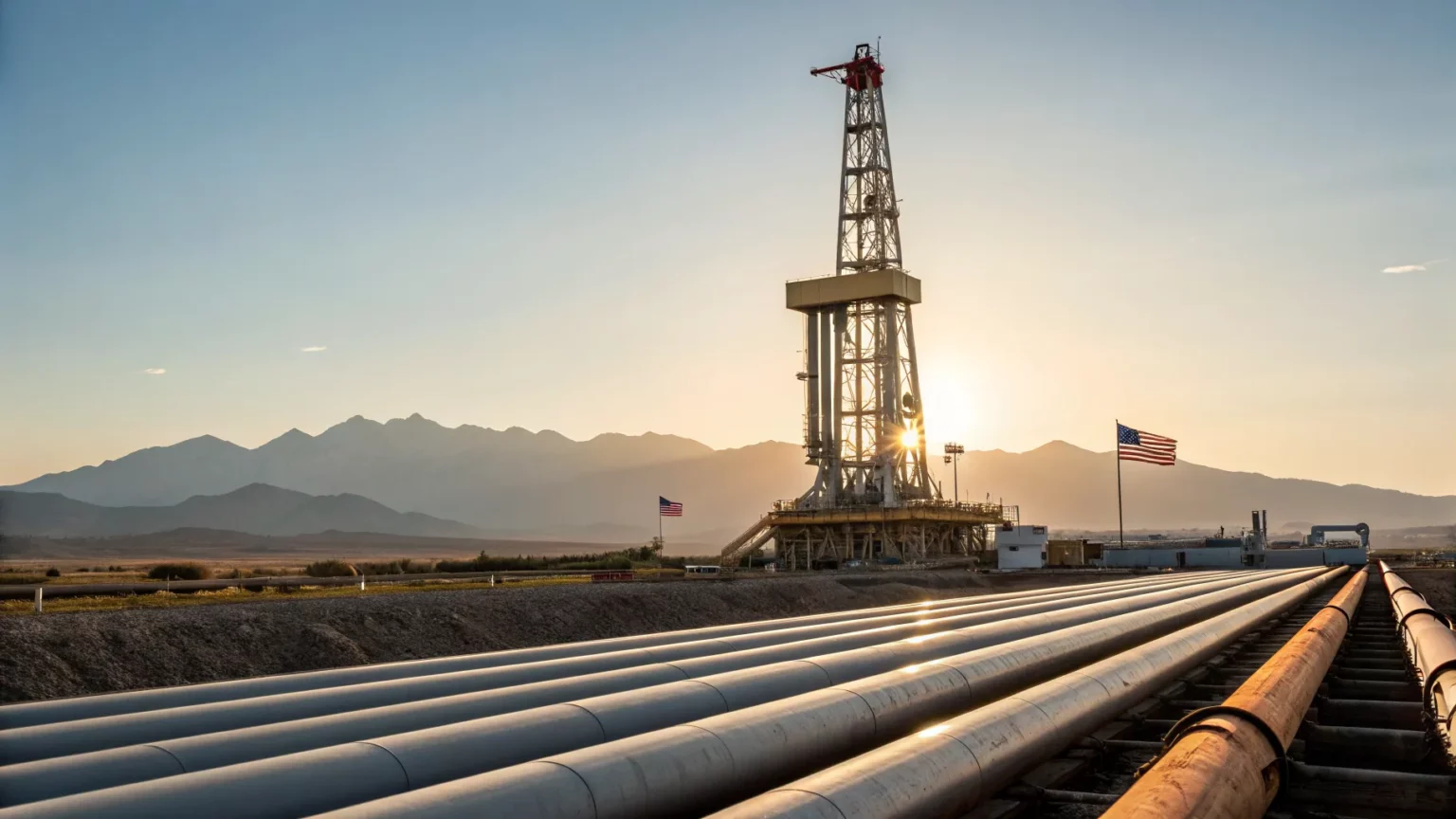
Under the “energy dominance” banner, the Trump administration promoted oil and gas development, eased certain permitting rules, and backed pipelines and export infrastructure. The goal was to expand supply, speed projects, and give U.S. producers an edge abroad.
Supporters argue that faster approvals and a friendlier regulatory climate helped bring new barrels and gas to market. They also cite the build-out of export terminals that linked U.S. supply to buyers in Europe and Asia. Opponents counter that looser standards increased environmental risk and delayed a needed shift to cleaner energy.
Testing the Claim Against Recent Shocks
Global turmoil has offered a stress test. Price crashes and rebounds, supply disruptions, and war-related sanctions have hit markets hard. The U.S. endured those shocks with fewer shortages than many peers, aided by abundant domestic output and storage.

Still, gasoline and diesel prices rose during tight periods, showing that U.S. consumers remain exposed to global oil pricing. Refining capacity limits, regional pipeline outages, and extreme weather have also caused spikes. Energy security is not only about barrels in the ground; it relies on grids, refineries, pipelines, and workforce strength.
- Strength: diverse oil and gas basins, deep capital markets, and flexible shale response.
- Weakness: refining bottlenecks, grid stress from heat and storms, and price ties to global crude.
- Risk: rising climate-driven weather events and cyber threats to energy infrastructure.
Climate, Markets, and the Next Chapter
The security debate intersects with climate policy and investment trends. Tighter methane rules, state-level emissions targets, and investor pressure are reshaping project timelines and costs. Power demand is changing as data centers, heat pumps, and electric vehicles scale.
Meanwhile, allies in Europe and Asia seek stable LNG supplies, giving the U.S. diplomatic leverage. China invests in renewables, grids, and fuels to limit its own vulnerabilities. Major producers in the Middle East weigh output plans and spare capacity needs. The U.S. advantage is clear today, but rivals are adapting.
What to Watch
Three issues will help determine whether U.S. energy security stays “unrivaled.” First, can infrastructure keep pace with production and demand, from pipelines to transmission lines. Second, will policy strike a workable balance between affordability, reliability, and emissions. Third, can companies maintain discipline through price cycles while investing in new technologies.
Permitting reform, grid modernization, storage growth, and cleaner fuels could reinforce current strengths. Delays, extreme weather, or underinvestment could chip away at them. Markets will track project backlogs, export capacity, and the pace of electrification across industries.
The claim that shale and a policy push delivered unmatched energy security captures a real shift in U.S. leverage. It also simplifies a complex system that depends on global prices, weather, and infrastructure. The next few years will show whether that edge endures as supply chains, policy, and demand evolve.