




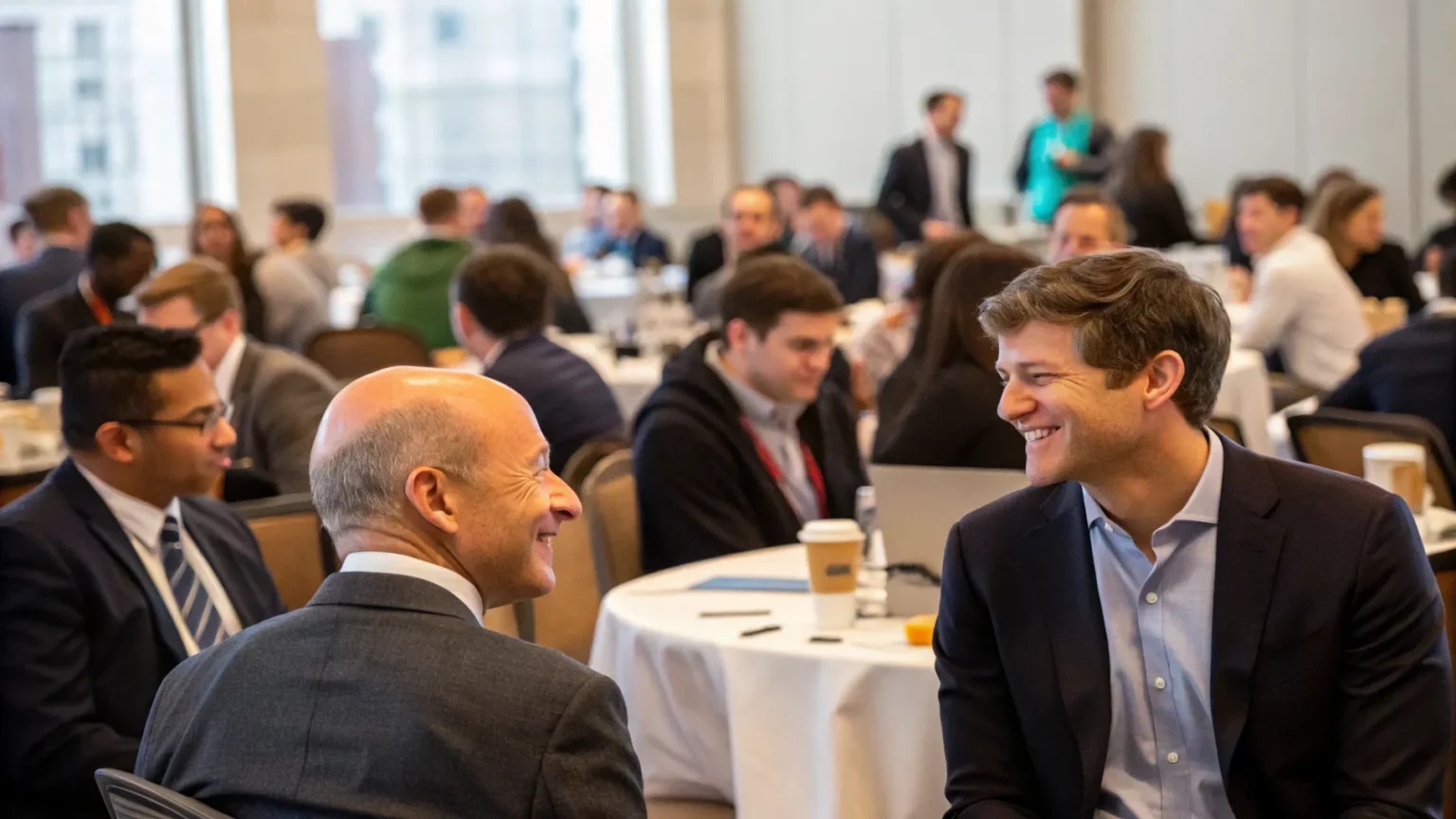
Entrepreneurs from across the United States converged on Washington, D.C., for a high-profile gathering that featured Goldman Sachs CEO David Solomon, Olympic champion Michael Phelps, and former New York City mayor Michael Bloomberg. The event, part of Goldman Sachs’ 10,000 Small Businesses initiative, brought owners together to share strategies, press for policy changes, and swap lessons on growth in a cooling economy.
The summit took place in the nation’s capital to put small business concerns in front of lawmakers and national media. Organizers aimed to spotlight hiring needs, access to capital, and the uneven recovery seen on Main Street. The program’s backers say the goal is simple: make small firms stronger and give them a bigger voice.
The Goldman Sachs 10,000 Small Businesses Summit brings together entrepreneurs with speakers including CEO David Solomon, Michael Phelps and Michael Bloomberg in Washington, D.C.
Program Roots and Why It Matters
Goldman Sachs launched the 10,000 Small Businesses program more than a decade ago to provide education, mentorship, and networking to owners of growing firms. Community colleges and partner schools have delivered a curriculum focused on finance, sales, and leadership. Alumni often report better hiring plans and clearer cash-flow management after completing the coursework.
Small firms are central to the U.S. economy. Data from the U.S. Small Business Administration show they employ about 46% of private sector workers and have produced the majority of net new jobs over the long run. Those numbers explain why policymakers watch them for early signs of economic strain or strength.
What Speakers Brought To The Stage
David Solomon addressed financing conditions and the effort to keep credit flowing to qualified borrowers. He has previously urged balance between prudence and growth as rates remain higher than in recent years. Attendees listened for signals on lending standards and how banks view risk for smaller firms.
Michael Phelps, the most decorated Olympian, spoke about performance under pressure and mental health. His message—prepare, execute, and ask for help when needed—resonated with owners facing tight margins and long hours. Leadership and resilience were recurring themes.
Michael Bloomberg, a longtime advocate for data-driven city policy and small business vitality, focused on practical steps to cut red tape and support local hiring. His experience as a business founder and public official gave weight to calls for stable rules and predictable permitting.
The Issues On the Table
Owners are navigating wage pressures, higher borrowing costs, and shifting customer demand. Many have strong order books but face supply delays and thin cash buffers. The summit highlighted near-term needs and concrete fixes.



- Capital access: Simplify applications and expand flexible credit for firms with seasonal sales.
- Talent pipelines: Strengthen training partnerships to fill specialized roles.
- Regulatory clarity: Reduce confusion from overlapping rules across city, state, and federal levels.
Several participants discussed technology adoption—using simple tools to track inventory, invoice faster, and market online. The emphasis was on practical steps that save time and free up cash.
Policy Backdrop and Economic Signals
Interest rates have cooled some investment, especially for equipment-heavy or expansion-stage firms. While inflation has eased from its peak, inputs like shipping and utilities remain elevated for many owners. Hiring remains competitive in certain trades, even as overall job growth moderates.
Industry groups say that targeted tax incentives and streamlined certifications can help smaller firms bid on public projects. Advocates also point to prompt payment rules to reduce the strain from slow receivables.
What To Watch Next
Attendees are expected to carry their ideas to congressional offices and local chambers in the weeks ahead. Follow-through will determine whether talk translates into simpler rules, faster credit decisions, and stronger hiring.
Owners will track several markers in the coming months: bank lending surveys, consumer spending trends, and city-level reforms that affect permits and fees. Alumni networks from the program plan to share playbooks and peer coaching to keep momentum going.
The summit’s message was clear. Small firms want steady policy, fair access to financing, and tools to manage growth. If those pieces align, many believe they can keep hiring, invest in their communities, and build through the next cycle.