




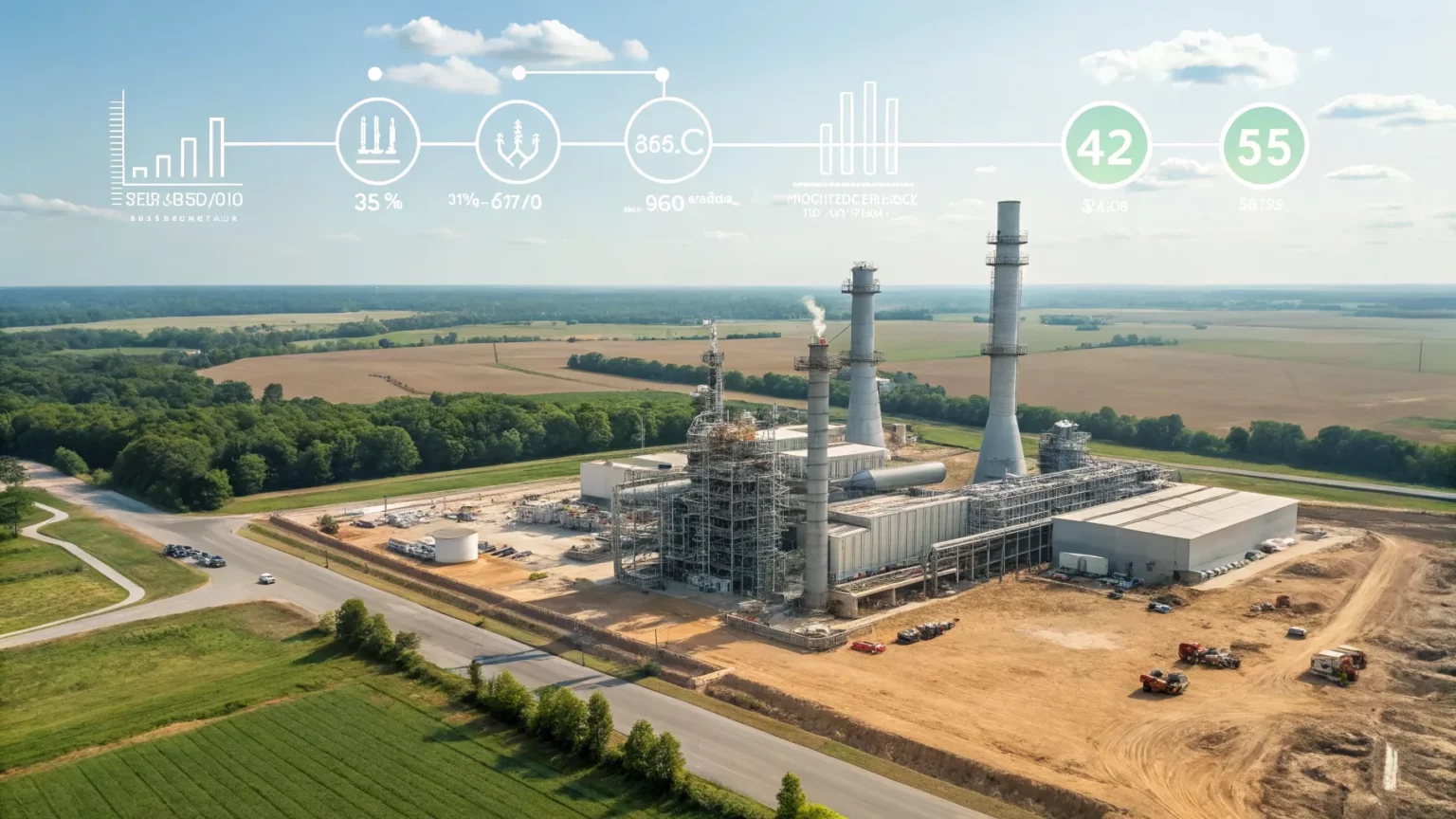
Mississippi state regulators approved a major natural gas project in Southaven, giving xAI permission to build a power plant with 41 turbines to supply its nearby data centers. The decision positions DeSoto County, just south of Memphis, as a growing hub for energy-hungry computing while reigniting debate over the costs and benefits of local power generation.
The approval authorizes on-site generation tailored to high-demand data infrastructure. It also raises questions about emissions, reliability, and the pace of new energy development in fast-growing corridors of the Mid-South.
What Was Approved
“Mississippi regulators authorized xAI to build a power plant with 41 natural gas-burning turbines in Southaven to power its nearby data centers.”
The authorization allows xAI to add dedicated natural gas capacity adjacent to or near its facilities. The approach can deliver fast, controllable power and reduce exposure to grid congestion. It also shifts part of the energy and environmental footprint from utilities to a private operator serving a single class of customer.
Why Southaven, Why Now
Southaven has expanded rapidly over the past decade with warehouses, logistics, and corporate facilities. Data centers are the latest entrant, drawn by available land, highway access, and proximity to major fiber routes near Memphis. For operators, reliable power is non-negotiable. On-site natural gas turbines can ramp quickly and provide steady electricity for high-performance computing, including artificial intelligence training and large-scale storage.
Across the United States, utilities report rising load from data centers. That growth has strained long-term planning and grid interconnection timelines. Companies are increasingly turning to self-generation or private power arrangements to meet near-term needs.
Economic Case vs. Environmental Concerns
Local business groups are likely to welcome construction jobs, long-term technical roles, and a stronger tax base. Officials often highlight spinoff benefits, from service contracts to regional technology investment. They also point to energy reliability as a magnet for future employers.
Environmental advocates counter that new fossil fuel projects lock in emissions for years. Natural gas plants emit carbon dioxide and, through the supply chain, methane. While modern turbines are more efficient than older coal units, critics say new gas infrastructure can slow the shift to cleaner sources. Residents may also raise concerns about air quality, noise, and traffic during construction.
Regulatory and Infrastructure Hurdles
State approvals are one step in a longer process. Projects of this size typically require air permits, grid interconnection agreements if any power is exported, and adherence to local zoning and noise rules. Sourcing turbines, completing site work, and coordinating gas supply can add months to timelines.


Water use can be another issue. Some turbine designs need water for cooling or emissions controls, though air-cooled systems can reduce draw. Communities often ask for clear plans on water, storm runoff, and emergency response.
The Reliability Equation
For data centers, outages are costly. On-site gas plants can back up utility power and smooth over voltage dips or delays in expanding grid capacity. They can also pair with battery systems for short bursts of high demand.
Critics argue that such private plants create islands of reliability that may not benefit the broader community. Supporters respond that dedicated generation frees up utility capacity for homes and other businesses and reduces stress on transmission lines.
Pathways to Lower Emissions
Companies operating new gas capacity can pursue several steps to cut climate impact:
- Buy high-quality renewable energy through power purchase agreements.
- Invest in efficiency to reduce total electricity needs.
- Use demand management to run turbines when grid emissions are highest.
- Source lower-leakage gas and monitor methane across the supply chain.
Some operators also study carbon capture or hydrogen blending, though both options face cost and infrastructure limits today.
What Comes Next
With approval in hand, xAI will move into permitting, engineering, and procurement. Community engagement will likely intensify as site plans, air modeling, and construction schedules become public. Local boards often require noise studies, traffic management plans, and environmental safeguards before final sign-offs.
The decision highlights a larger trend: the rapid rise in energy demand from advanced computing and the scramble to meet it. States and cities are updating rules to balance job growth with clean air goals and grid stability.
The coming months will show whether the project sets a template for private power at data centers in the Mid-South. Watch for details on emissions limits, mitigation plans, and any commitments to renewable energy. The outcome could shape how quickly the region attracts digital infrastructure while managing the costs felt by neighbors and the climate.