




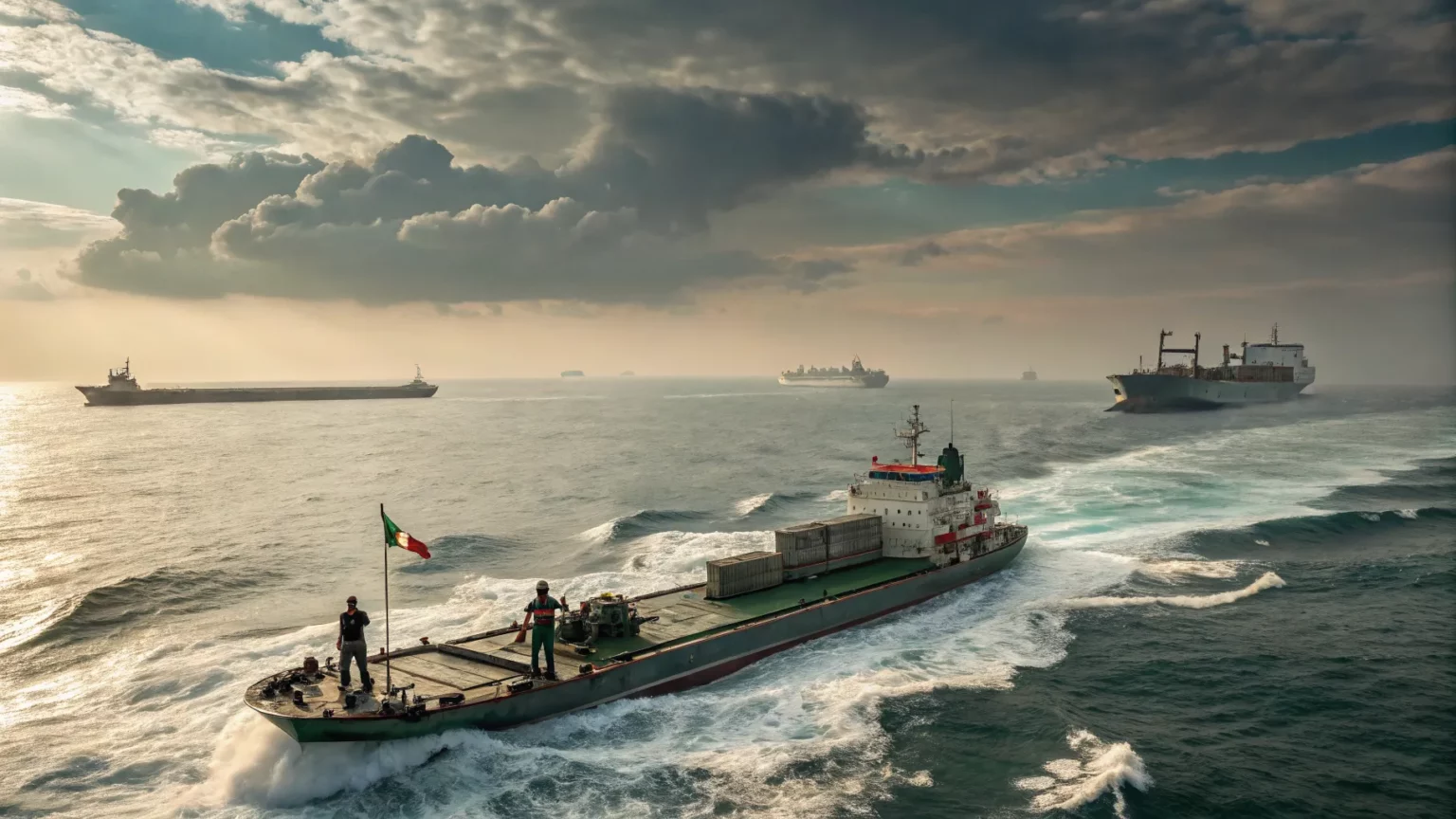
As tensions ripple across the Persian Gulf, India is finding it harder to secure safe passage for commercial ships through the Strait of Hormuz while keeping relations steady with Iran, the United States, and Israel. The stakes are high for New Delhi this year, with energy supplies, trade routes, and the safety of Indian seafarers on the line.
Officials and analysts say India’s closer ties with Washington and Tel Aviv have reduced its ability to lean on Tehran during maritime flare-ups near Iran’s coast. The chokepoint handles a large share of the world’s oil trade, and any disruption hits India quickly.
“India’s U.S.-Israel tilt is costing it leverage with Iran just as its ships struggle to get safe passage through the Strait of Hormuz.”
Why the Strait of Hormuz Matters
The Strait of Hormuz is one of the most important sea lanes in the world. Roughly a fifth of global oil trade moves through this narrow waterway between Iran and Oman. India depends on Gulf energy and shipping to fuel its economy and connect supply chains. Any increase in risk premiums or insurance costs feeds into domestic prices.
Recent incidents, including detentions of commercial tankers by Iranian forces, have raised alarms. Ship operators with Indian crew have reported added checks, route diversions, and higher insurance rates. The Indian Navy has expanded patrols in the Arabian Sea, deployed long-range surveillance, and coordinated with partners to escort vulnerable vessels.
Shifting Alignments and Lost Leverage
India once bought large volumes of crude from Iran and enjoyed wide diplomatic access in Tehran. That changed after U.S. sanctions tightened in 2018–2019. New Delhi halted Iranian oil imports and pivoted to other suppliers. Energy flows shifted further after Russia began offering discounted crude in 2022.
Security ties with the United States deepened over the past five years, with new defense agreements, joint exercises, and technology sharing. India’s defense cooperation with Israel has also grown, including missile defense and surveillance systems. These moves align with India’s strategic priorities but complicate quiet problem-solving with Iran during maritime crises.
Iran remains critical to India’s continental trade plans. In May 2024, India and Iran signed a 10-year agreement to develop and operate Chabahar Port, a key link to Afghanistan and Central Asia. U.S. officials cautioned that the deal could draw sanctions. The warning signals the narrow space India must manage as it builds out this route while aligning more with Washington.
Security Risks at Sea
Attacks on shipping linked to regional flashpoints have spread risk across the Gulf, Arabian Sea, and Red Sea. Carriers have rerouted vessels or slowed transits. For India, which has one of the world’s largest merchant fleets by crew, the safety of seafarers is urgent.

- Higher war-risk premiums and insurance costs add to import bills.
- Longer routes raise freight rates and delivery times.
- Uncertainty strains small exporters and energy importers.
New Delhi has stepped up naval presence and crisis hotlines. But maritime leverage also comes from diplomacy. With fewer channels in Tehran, India has less room to secure ad hoc assurances for flagged ships or ships with Indian crew when tensions spike.
Energy, Trade, and Domestic Impact
India’s economy is sensitive to oil prices. Even small disruptions in Hormuz can push up fuel and cooking gas costs. Import-dependent sectors, from chemicals to transportation, feel the effects within weeks. Insurance and freight surcharges can outlast the crisis that caused them.
At the same time, millions of Indian workers live in Gulf states. Stable ties with regional powers help protect jobs, remittances, and consular access. A prolonged period of volatility would test India’s crisis response and its diplomatic reach.
What India Can Do Next
Analysts outline several steps that could restore balance and reduce risk:
- Maintain naval escorts and improve maritime domain awareness near chokepoints.
- Use the Chabahar framework to re-open working channels with Iran on shipping safety.
- Coordinate with the U.S., Gulf partners, and EU navies on convoy protocols.
- Diversify energy routes and expand storage to cushion supply shocks.
None of these moves requires a break with Washington or Jerusalem. But they do call for targeted engagement with Tehran on maritime security, separate from broader disputes.
India’s leadership faces a hard test: protect ships in a tense waterway while building a long-term transport link through Iran and keeping faith with key security partners. The coming months will show whether New Delhi can regain practical leverage at sea without sacrificing strategic gains on land. Watch for signals from Tehran on transit guarantees, from insurers on risk pricing, and from New Delhi on the balance it strikes between patrols, diplomacy, and energy planning.