


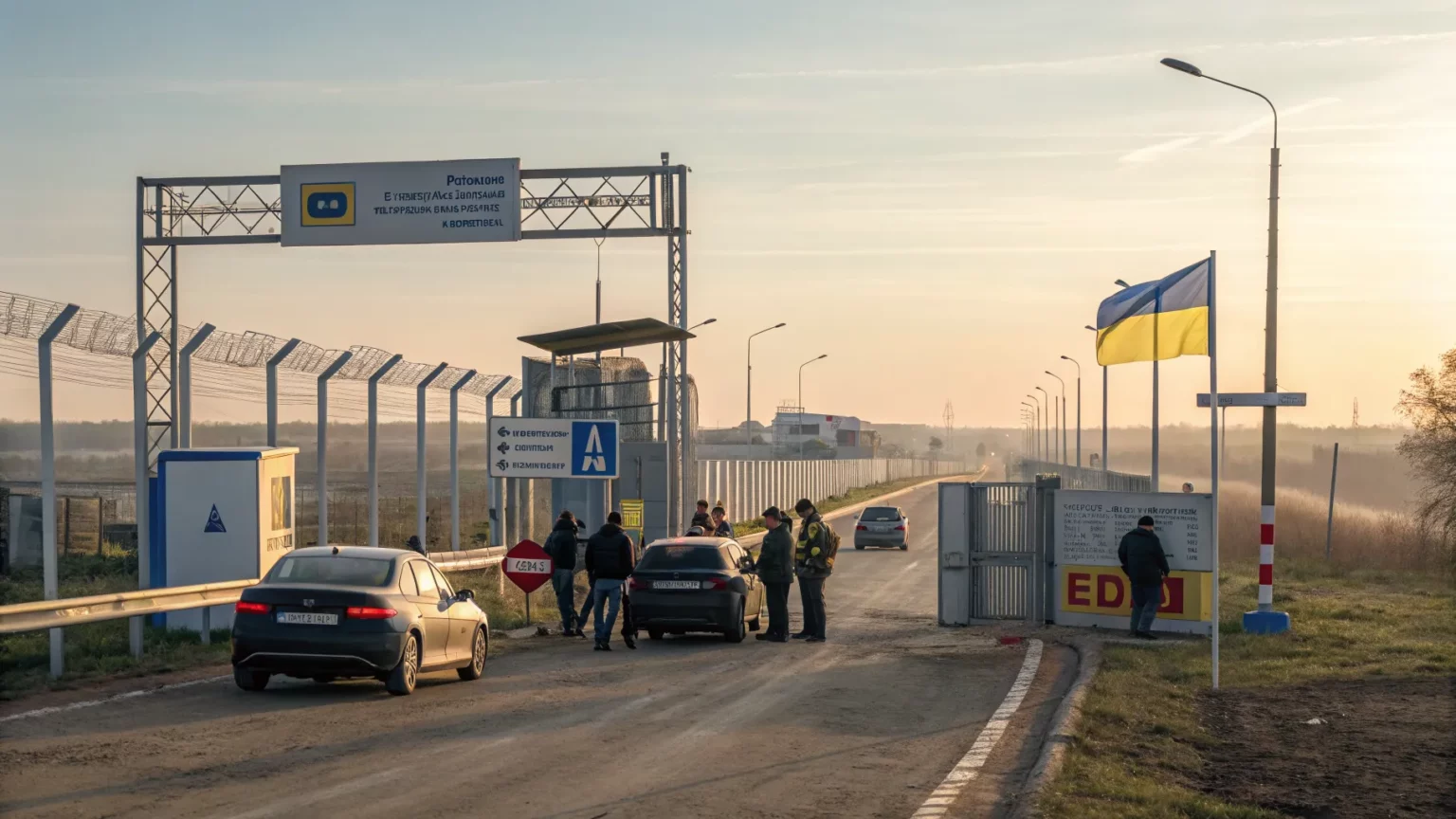
Ukraine will open its doors to European Union experts to help restore Russian oil shipments through the Druzhba pipeline, President Volodymyr Zelenskiy said, signaling a step that could cool tensions and protect crucial financial support for Kyiv. The move affects a supply route that feeds several EU countries and comes as leaders weigh aid commitments and energy needs during wartime.
“Ukraine will allow European Union experts into the country to help restore Russian oil flows via the Druzhba pipeline,” President Volodymyr Zelenskiy said, signaling a potential easing of tensions that put key financial aid for his country in jeopardy.
Why the Druzhba Pipeline Matters
The Druzhba pipeline, a Cold War-era network, carries Russian crude to parts of Central Europe. Its southern branch runs through Ukraine and is a main source for landlocked countries that lack direct seaborne access. Despite sweeping sanctions on Russian energy, the EU granted carve-outs for pipeline deliveries to a few member states that depend on it for fuel and industry.
Since Russia’s full-scale invasion, flows through Ukraine have continued under careful monitoring. Periodic disputes over transit fees, insurance, and technical checks have added stress to an already fragile route. Concerns over reliability rose whenever maintenance or security issues surfaced, as even short interruptions can strain refineries and drive up prices for fuels like diesel and gasoline.
The Political Stakes for Kyiv and the EU
Energy security in Central Europe often links directly to political bargaining in Brussels. Some member states have warned that supply shocks from pipeline outages would hurt their economies. At the same time, the EU has sought to maintain unity on backing Ukraine with money, weapons, and reconstruction support.
Hungary, Slovakia, and the Czech Republic are among the countries most exposed to shifts in Druzhba flows. Any prolonged disruption can ripple into budget debates and strain wider consensus on long-term aid to Ukraine. Kyiv’s decision to bring in EU experts aims to remove doubt over the pipeline’s technical status and reassure capitals whose support is tied to stable energy supplies.
What Allowing EU Experts Could Change
Inviting EU specialists is meant to speed troubleshooting, confirm safety standards, and reduce the chance of political disputes over data. Independent checks can help verify pressure levels, integrity tests, and control systems. They also give national regulators confidence to plan refinery runs and manage commercial contracts.
- Technical oversight can clear bottlenecks faster.
- Shared findings reduce mistrust over maintenance and safety.
- Transparent reporting supports more stable policy decisions.
For Ukraine, this step shows a focus on cooperation with partners even as it confronts Russia’s invasion. It also signals sensitivity to the needs of EU states that rely on the route, without changing Kyiv’s broader stance on sanctions or its drive to cut Moscow’s energy leverage over Europe.
Energy Market Impact and Industry Response
Traders watch Druzhba closely because pipeline volumes tend to be steady and predictable compared with seaborne shipments. Restoring normal flows reduces the risk premium on regional crude grades and can ease pressure on refined product prices. Refineries depending on the southern branch can avoid costly rerouting or output cuts if deliveries stabilize.
Industry analysts say transparency is the cheapest form of risk control for long-distance pipelines in conflict zones. Clear, shared diagnostics reduce the chance that technical issues turn into political standoffs. While companies have diversified supplies since 2022, many still benefit when predictable pipeline oil supports refinery balance and keeps logistics simple.
Link to Financial Aid and Next Steps
EU capitals have tied their support for Ukraine to a broad package covering budget aid, reconstruction, and defense needs. Disputes over energy can complicate these talks. By signaling cooperation on Druzhba, Kyiv is working to keep unity intact as leaders weigh multi-year funding plans.
The next milestones include deploying the expert team, publishing technical assessments, and agreeing on any repairs or operational changes. Transparent timelines will matter to both markets and policymakers. The more visible the process, the less room there is for further rifts over supply risks.
Ukraine’s offer to host EU experts is a practical move to secure energy stability and protect vital financial backing. If inspections lead to reliable flows and clear reporting, pressure on exposed EU economies may ease, and support for Kyiv could prove steadier. The key to watch now is how fast the expert mission starts, what it finds, and whether its recommendations are carried out without delay.