




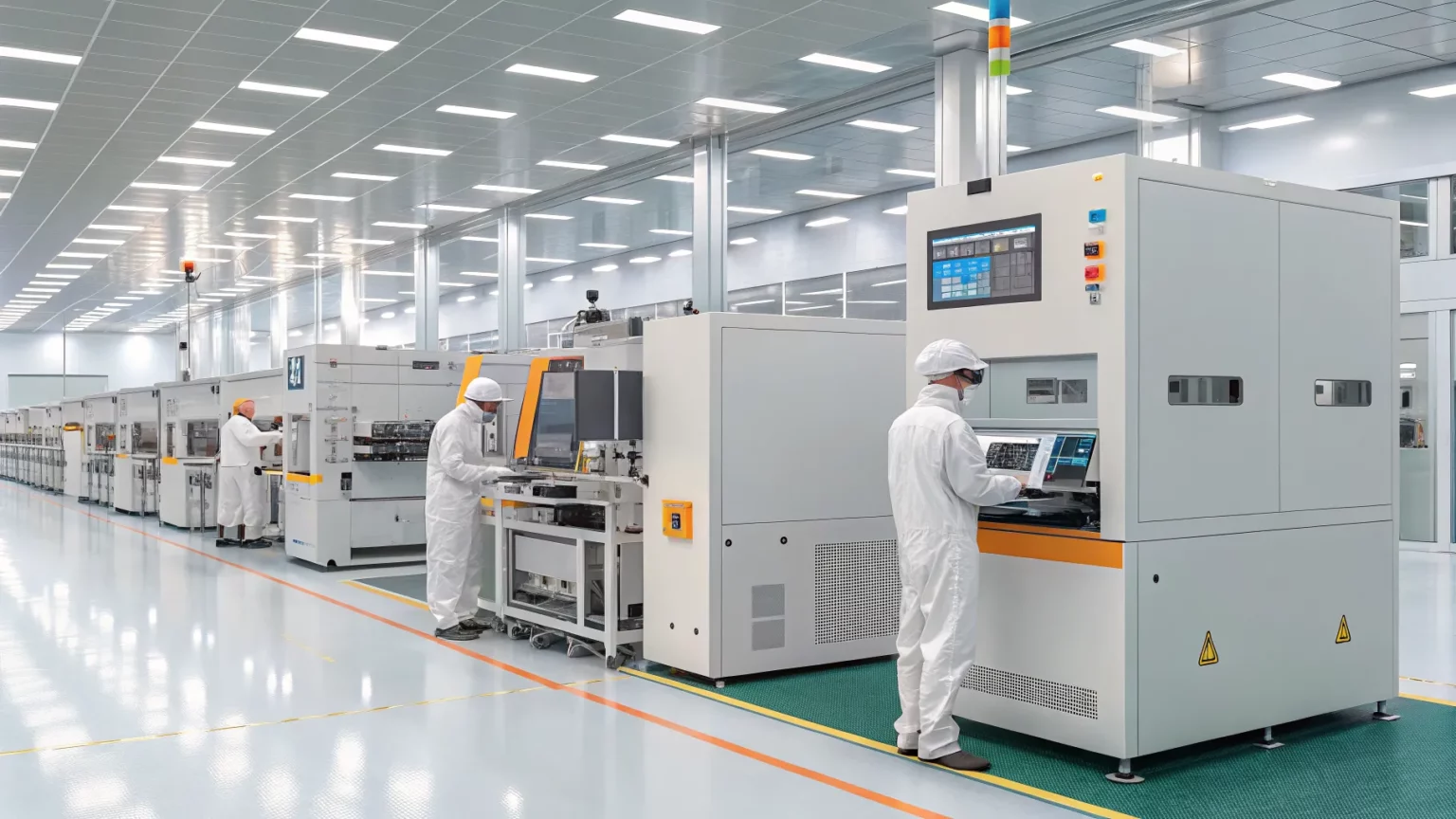
BE Semiconductor Industries is attracting takeover interest as the race to supply advanced chip-packaging tools intensifies, according to people familiar with the situation. The Netherlands-based company, known as BESI, has become a target as demand for high-end packaging surges across the semiconductor industry. Any deal would mark one of the year’s most watched moves in chip equipment, where pressure from artificial intelligence and high-performance computing is reshaping priorities.
The talks come as advanced packaging shifts from a niche step to a central part of how the fastest chips are built. While the identity of potential bidders is not clear, interest spans strategic buyers and financial investors, the people said. BESI did not immediately comment.
Rising Stakes in Advanced Packaging
Advanced packaging binds chips and memory into tighter, faster systems. It allows chipmakers to stack components, shorten connections, and move more data with less power. That is critical for training and running AI models, which rely on quick links between processors and high-bandwidth memory.
BESI makes equipment for die attach, hybrid bonding, and other packaging steps. These tools are gaining traction as foundries and outsourced assembly firms scale capacity to meet orders from AI chip leaders. The company’s positioning in hybrid bonding—used to fuse chips face-to-face at fine pitches—has been a key draw for customers aiming to boost performance without shrinking transistors.
“BE Semiconductor Industries has been fielding takeover interest, as demand for its chip-packaging technology has become more critical for semiconductor equipment makers,” said three people familiar with the matter.
Industry spending is tilting toward these capabilities. Major chipmakers are building out capacity for advanced packaging to relieve bottlenecks. The trend accelerated over the past two years alongside soaring orders for accelerators and the memory stacks that feed them.
What a Buyer Might Want
Strategic buyers could gain from adding BESI’s tools to existing lithography, deposition, or etch portfolios, offering end-to-end production lines. Packaging has become a differentiator for chipmakers, and suppliers that cover more steps can win larger contracts.
Private equity could see room to expand BESI’s manufacturing footprint or push into new markets such as automotive and data center modules. Either path would depend on securing supply chains and scaling service networks near key customers in Asia, Europe, and the United States.
- Strategic motive: deepen packaging offerings and lock in customers.
- Financial motive: back capacity growth and new product cycles.
- Synergy potential: integrate sales and service across major fabs.
Market Impact and Competitive Pressure
An acquisition could ripple through rivals in assembly and test equipment, including players in die bonding and wire bonding. Competitors may respond with partnerships or their own deals to keep pace with demand for 2.5D and 3D packaging. If a larger chip-equipment group steps in, it could spur a wave of consolidation as companies seek scale and technology breadth.



Investors have rewarded firms tied to AI supply chains, lifting valuations and complicating deal math. Any bidder would weigh growth prospects against price and integration risks. Regulatory review from European and other authorities would likely focus on supply continuity and national interests tied to semiconductor capacity.
Signals to Watch
Key signals in the coming weeks include whether potential suitors move from interest to formal offers and whether BESI signals openness to a sale. Analysts will track order backlogs tied to high-bandwidth memory and chip stacking, which could influence valuation.
Customer trends also matter. Foundries and advanced packaging houses are expanding capacity for chip-on-wafer and wafer-on-wafer steps, where hybrid bonding is central. If those ramps hold, demand for BESI’s tools should stay firm into the next upgrade cycle.
Expert Voices and Industry Context
Packaging engineers say the gains from closer chip-to-chip links are now as important as gains from new transistor nodes. The shift puts sustained pressure on assembly equipment makers to push accuracy and throughput while keeping defect rates low.
Analysts point out that fewer companies control key packaging tools compared with front-end wafer equipment, making assets like BESI more strategic. That scarcity can intensify bidding during technology transitions.
The interest in BESI highlights how packaging has moved to the center of chip performance and supply strategy. Whether a deal happens or not, the company sits in a sweet spot as AI demand drives new orders. The next milestones to watch are formal bids, any response from BESI’s board, and signs of broader consolidation among packaging toolmakers. For now, the message from the market is clear: advanced packaging is no longer a back-end afterthought—it is a driver of the chip industry’s next phase.