



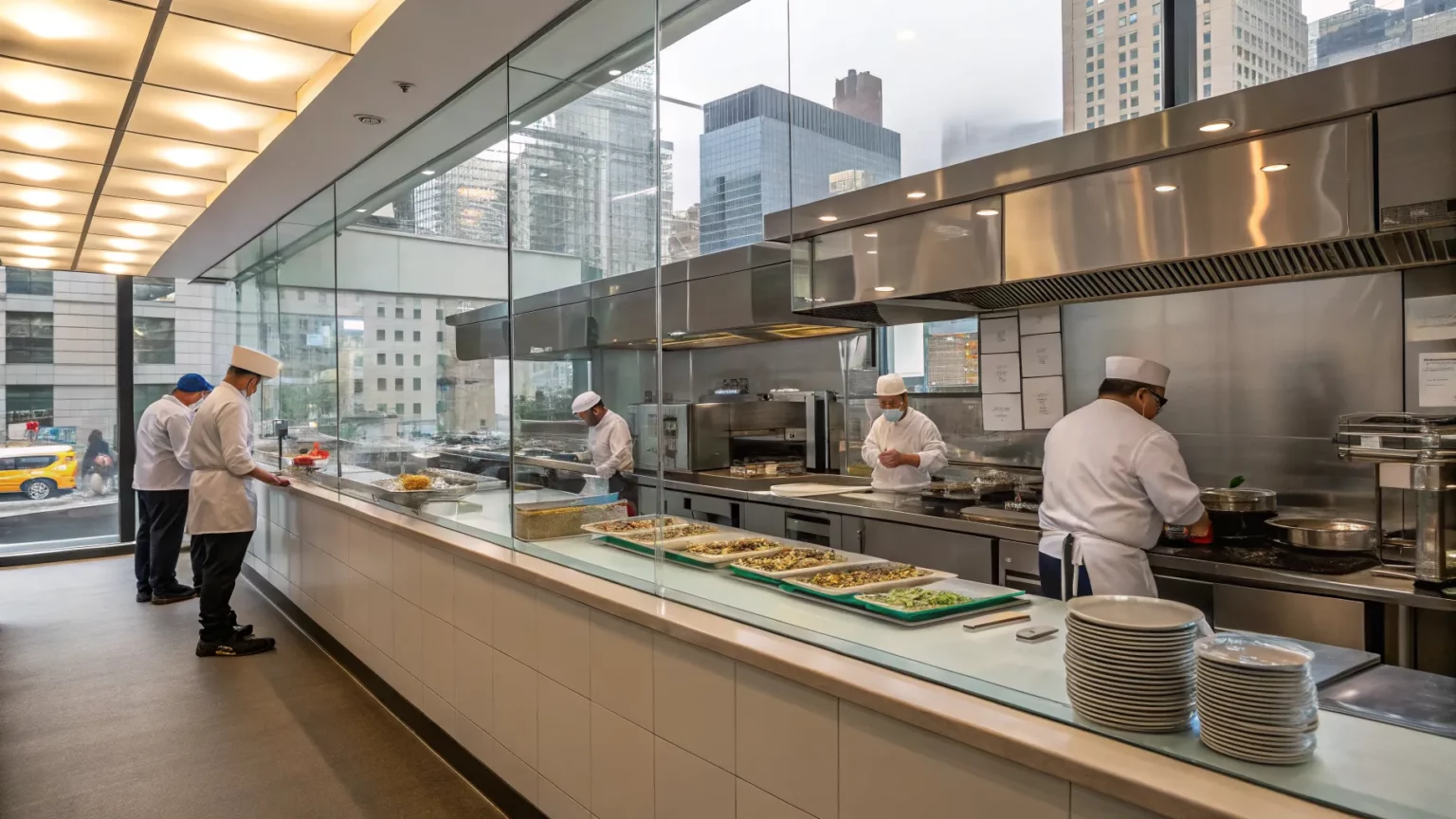
After a boom during lockdowns, ghost kitchens are fighting for profit and relevance as diners return to restaurants and delivery costs rise. Operators and investors are rethinking strategies, weighing brand building and hybrid formats that mix virtual and storefront service. The shift is reshaping how off-premise food gets made and sold in major U.S. cities and beyond.
“Ghost kitchens, once pandemic favorites, now face slim margins and brand struggles, highlighting the need for customer loyalty and sustainable, hybrid business models.”
Ghost kitchens—delivery-only facilities that house one or many food concepts—grew fast when dining rooms closed. The promise was lower rent, flexible menus, and fast expansion through delivery apps. As in-person dining returned, the pressures behind delivery economics reappeared. Thin margins, high fees, and fickle online traffic now force a strategic reset.
From Pandemic Boom to Profit Squeeze
During the height of lockdowns, delivery volume surged and new virtual brands launched at a rapid pace. Many relied on third-party platforms to handle logistics and demand. Those platforms helped reach customers, but the cost of commissions, promotions, and delivery logistics weighed on profitability.
Food inflation, packaging, and shifting labor costs added more pressure. Operators say the model can work, but only when orders are steady, menus are efficient, and marketing spend is disciplined. When any link in that chain breaks, earnings dip.
Brand Identity Is the Weak Spot
Without storefronts, ghost kitchens often struggle to build lasting recognition. Some virtual concepts grew fast on social media but faded when quality slipped or copycat menus flooded delivery apps. Others expanded across cities only to discover they lacked loyal regulars who seek a familiar physical place.
Reputation hinges on consistent food and delivery times customers can trust. But kitchens that run multiple brands from the same line face coordination issues. If one order disappoints, the damage can spread to other concepts under the same roof.
Why Loyalty Matters Now
Repeat customers can stabilize sales and reduce marketing costs. Operators increasingly push first-party channels where they control data, promotions, and service. Subscriptions, points, and targeted deals are replacing broad discounts that chase one-time orders.
Some restaurants partner with delivery apps while nudging diners to order direct for pickup. That approach can protect margins and maintain a closer bond with customers. It also creates a feedback loop to refine menus and pricing faster.


Hybrid Models Gain Ground
The newest wave pairs virtual brands with small counters, shared dining areas, or food hall stalls. This keeps overhead lower than a full-service restaurant while giving the brand a face and a neighborhood presence. Hybrid sites can flex between delivery surges and local walk-up demand throughout the day.
The model also helps staffing. Teams can cross-train and allocate labor to the channel that is busiest. Operators say even limited in-person visibility can lift delivery conversion and reduce the cost of constant paid ads.
Tactics Operators Are Testing
- Slimmer menus built for speed and consistency.
- First-party ordering with loyalty rewards and subscriptions.
- Pickup incentives to avoid high delivery fees.
- Co-located kitchens that share equipment and staff.
- Data-driven scheduling to match labor with peaks.
What It Means for the Industry
Consolidation is likely as weaker brands fade and stronger kitchens cluster in high-density areas. Some cities experimented with fee caps during the pandemic, signaling ongoing debates about delivery economics. Meanwhile, customers expect clear pricing and reliable delivery times, pressuring apps and restaurants to share responsibility for service quality.
For investors, the sector now looks less like a quick expansion play and more like a long-term operations puzzle. Success depends on unit-level profits, loyalty, and a brand that can travel across channels without losing its identity.
The next phase will reward operators that balance convenience with connection. Ghost kitchens are not disappearing, but they are changing shape. Expect more hybrid sites, tighter menus, and a deeper focus on repeat customers. The goal is simple: turn a pandemic-era stopgap into a steady, customer-centered business that can endure shifts in demand.