



A U.S. strike or a move to seize Iran’s main oil export hub would hit Tehran’s revenues and shake global energy markets. The stakes are high for prices, trade routes, and regional security.
The debate centers on whether action against Iran’s export infrastructure could deter perceived threats or spark new turmoil. Any operation in or near key terminals and shipping lanes would test military, legal, and economic lines. It would also come as oil markets juggle tight supplies and shaky demand forecasts.
Background On Iran’s Exports
Iran relies on crude sales for a large share of state income. Exports have fluctuated under sanctions since the U.S. withdrew from the nuclear deal in 2018. Shipments fell sharply after renewed penalties, then rose in 2023 and 2024, with much cargo moving to Asia.
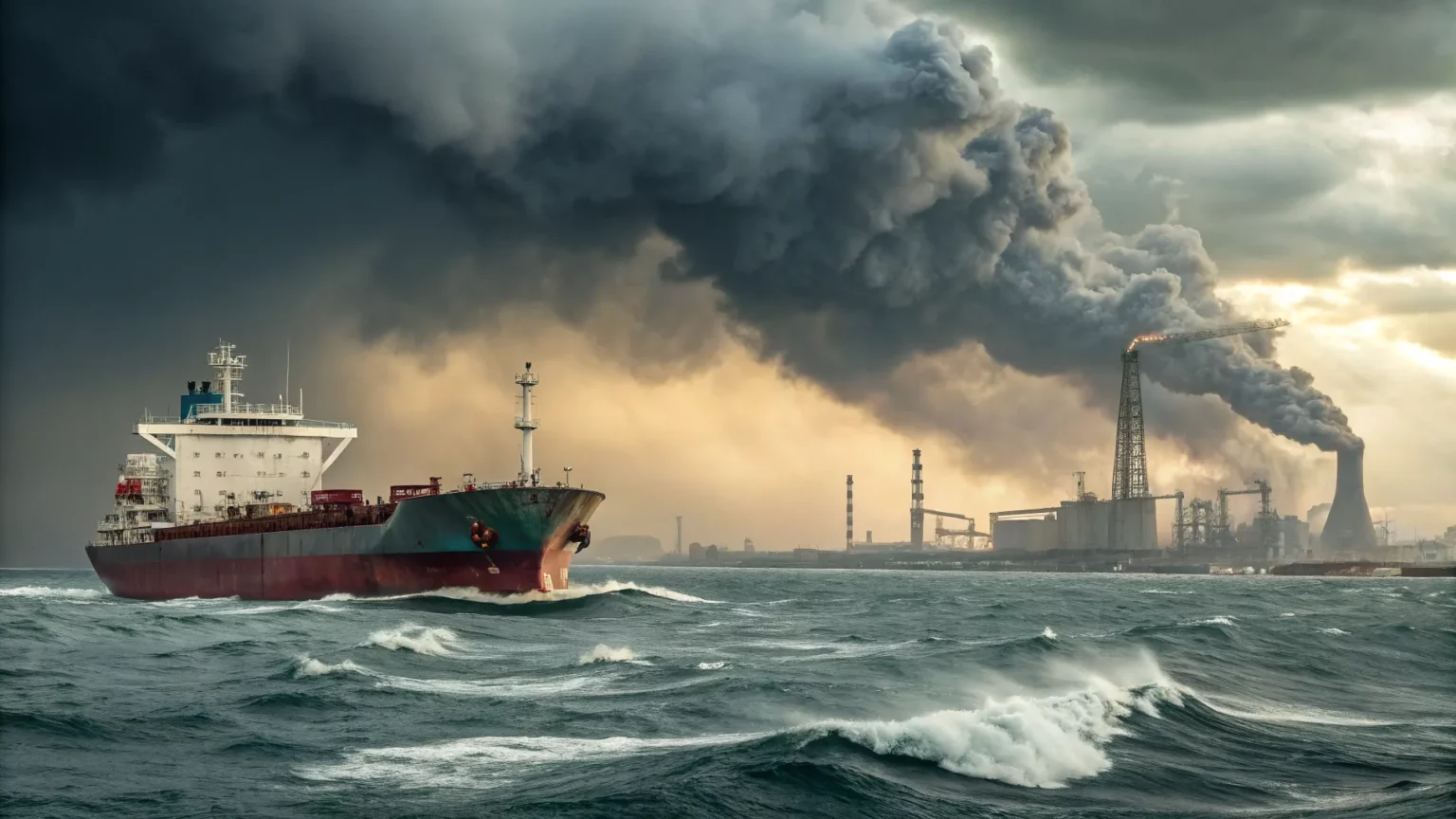
Kharg Island in the Persian Gulf handles most of Iran’s seaborne crude. Disruption there would hinder loading and storage, cutting the flow of oil to buyers. The International Energy Agency estimates that around one fifth of global oil trade passes through the Strait of Hormuz, adjacent to Iran’s shoreline. Any conflict near this chokepoint tends to lift freight costs and insurance rates.
What Action Could Mean For Prices
“A U.S. attack or a move to seize control of Iran’s main oil export hub could cripple the country’s ability to profit from its natural resources. But it would also risk sending energy prices even higher.”
The immediate effect would likely be a spike in crude benchmarks such as Brent and West Texas Intermediate. Traders price in supply risk quickly, even if physical flows are not yet cut. A prolonged outage could add several dollars per barrel, depending on the scale of damage and the response by other producers.
Spare capacity within OPEC+, held largely by Saudi Arabia and the United Arab Emirates, might soften the blow. But drawing on spare capacity reduces the cushion for future shocks. Strategic petroleum reserves could stabilize markets for a short time, though refilling them later may be costly.
Strategic Chokepoints And Global Markets
The Strait of Hormuz is the narrow gate for oil from Iran, Iraq, Kuwait, and parts of Saudi Arabia. Disruption there has broad effects. Tanker traffic detours are limited, and pipeline alternatives cannot carry the same volumes.
Shipping insurers often raise war-risk premiums after strikes or sabotage. Higher premiums pass through to fuel costs worldwide. Even regions far from the Gulf can feel the impact at gas stations and in transportation budgets.


Risks Of Retaliation And Escalation
Military action raises the risk of retaliation by Iran or allied groups in the region. That could include attacks on tankers, drones near facilities, or cyber operations targeting energy networks. Each step adds uncertainty for shippers and refiners.
Legal and diplomatic issues also loom. Attempts to seize or occupy energy sites would face international scrutiny. Allies may back targeted deterrence but resist moves that threaten global supply stability.
Possible Market Scenarios
- Short, limited strike: price jump, quick retreat if damage is minimal and talks resume.
- Terminal disruption: longer outage, higher premiums, sustained price gains.
- Strait incident: transit delays, broader escalation risk, larger and longer price surge.
Recent Precedents Inform The Outlook
Past incidents show how sensitive the market is to Gulf tensions. Tanker attacks in 2019 raised shipping costs and rattled prices. The drone and missile strike on Saudi Arabia’s Abqaiq facility briefly knocked out a large chunk of supply and sent Brent sharply higher before repairs and spare capacity eased concerns.
Today’s backdrop is tighter. Sanctions, uneven investment in new production, and geopolitical strains leave less room for error. Demand growth has slowed, but not enough to offset a major outage.
What To Watch Next
Analysts will watch tanker traffic near Kharg Island and the Strait of Hormuz, satellite images of terminals, and signals from OPEC+ on output plans. Moves by the U.S. and European partners on sanctions enforcement and naval patrols could shape risk premiums.
Consumers should expect greater price swings if tensions rise. Policymakers may weigh targeted action against energy infrastructure against the cost of a price shock that feeds inflation and pressures central banks.
The core trade-off is clear. Damaging Iran’s oil export hub would squeeze Tehran’s revenue but unsettle a fragile market. The next weeks will show whether diplomats can lower the temperature or if traders must price in another shock to supply.