



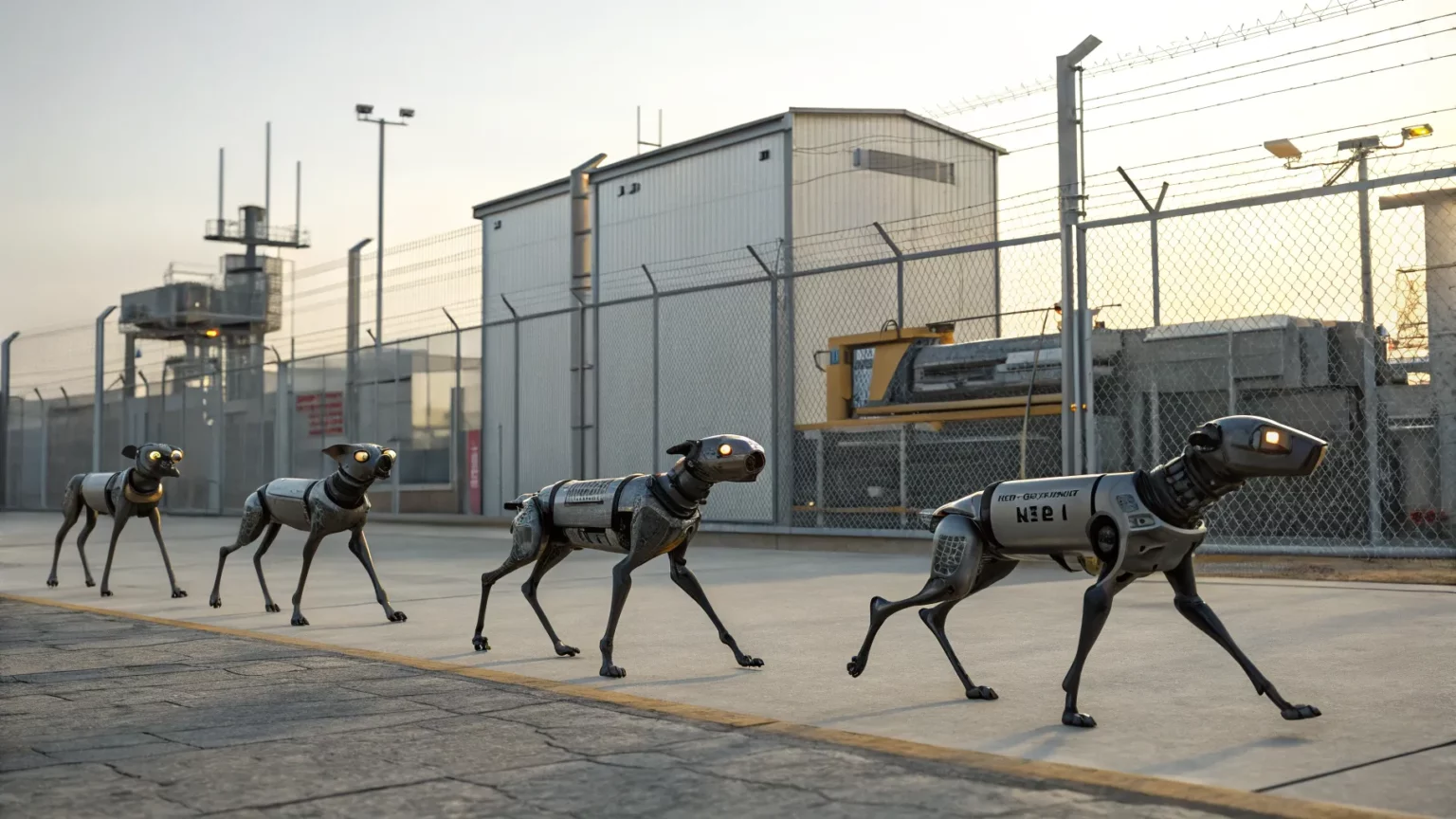
Four-legged robots are stepping into guard and inspection roles once done by people, as Boston Dynamics and Ghost Robotics deploy mechanical canines to patrol fences and check equipment. The machines are showing up at utilities, factories, energy fields, and military sites, where they promise steady coverage and safer inspections in tough terrain. The shift reflects a push to reduce risk, cut downtime, and gather better data in real time.
Both companies produce quadrupeds with cameras, sensors, and optional payloads. They walk over gravel, climb stairs, and navigate narrow paths. Site owners say the goal is simple: fewer blind spots and fewer injuries. Labor groups and civil rights advocates see risks in surveillance, job changes, and the potential for weaponization. That debate is moving from labs to loading docks, base perimeters, and city streets.
What These Machines Do
The new units take on routine patrols and hazardous checks. They move along perimeter lines, record high-definition video, and scan for heat, gas, or electrical faults. Operators can drive them remotely or set autonomous routes. The pitch is reliability and reach. These systems do not tire, and they return consistent readings shift after shift.
“Boston Dynamics and Ghost Robotics make four-legged canines that patrol fences and sniff out faulty equipment.”
Boston Dynamics markets Spot for industrial inspection and public safety tasks. Ghost Robotics’ Vision series targets defense and security patrols. Both support third-party sensors, making them adaptable to different jobs.
Why Companies Are Buying Them
Industrial operators face tight margins and safety mandates. Unplanned equipment failures are costly. Routine walks with handheld meters leave gaps and expose workers to risk. Robots can carry thermal cameras, LiDAR, and acoustic sensors to find problems early and log trends over time.
- Reduce injury risk in hot, toxic, or confined areas.
- Lower inspection costs with repeatable, scheduled routes.
- Faster fault detection using thermal and gas sensors.
Early trials show value in remote sites, such as offshore platforms and large yards. The robots trek long distances and stream data back to control rooms. Some units can operate for over an hour on a battery swap cycle, keeping routes active across a full shift.
Safety, Jobs, and Public Backlash
Public use has faced pushback. The New York Police Department paused a pilot in 2021 after criticism, then reintroduced a later program with more transparency in 2023. City officials said the focus was on hazardous inspections, not routine surveillance. Advocates remain skeptical and want clear limits and audits.
Labor groups question how patrol roles may change. Companies frame the robots as tools that move people into higher-skilled monitoring work. Worker training and clear policies will shape whether the shift feels like support or displacement.

Boston Dynamics issued a policy in 2022 discouraging weaponization of its general-purpose robots. Still, images of armed platforms from other vendors sparked concern. Ghost Robotics has shown payload flexibility at defense expos, which raised alarm among civil liberties groups. The companies face pressure to set firm, public guardrails.
Military and Border Use
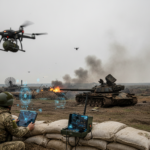
Military bases have tested quadrupeds for perimeter security and remote sensing. Trials at U.S. Air Force installations explored patrols in heat, rain, and sand. The appeal is continuous coverage of large areas with fewer human patrols at night or in storms.
Border and critical infrastructure sites have also run pilots. The machines can scan long fence lines, detect intrusions, and relay coordinates. Supporters argue this reduces risk to personnel. Critics warn about surveillance creep and demand strict oversight.
What Comes Next
Software is now as important as hardware. Route planning, obstacle avoidance, and anomaly detection are improving with better mapping and machine learning. Industrial buyers want systems that plug into existing maintenance platforms and trigger work orders automatically.
Costs remain a hurdle, though prices have fallen as production scales. Service models, where operators pay monthly for patrol hours and analytics, are gaining interest. Insurers are watching failure rates and incident reports to assess premium changes tied to robotic inspection.
The future of four-legged patrols will depend on clear rules and proof of value. If the machines keep workers out of danger and catch faults early, adoption will grow. Public deployments will need firm safeguards, independent audits, and open reporting. For now, the mechanical canines are moving from pilot projects to daily rounds, one fence line at a time.