


As fears of a wider war involving Iran grow, veteran foreign correspondent Richard Engel has zeroed in on three flashpoints that could decide whether the fighting expands or cools. His focus centers on regional spillover, proxy firepower, and the security of vital shipping lanes. The stakes are high for the Middle East and the global economy, with governments racing to prevent a larger conflict.
Engel’s assessment arrives as cross-border strikes and militia activity raise alarms across the region. Leaders in the Gulf and beyond are weighing diplomatic pressure, while militaries reposition assets. Aid groups warn of mounting civilian risks if the fighting spreads.
Background: How This Reached A Boil
Iran has built influence through allied militias, drone programs, and missile stockpiles. Its ties to armed groups in Lebanon, Iraq, Syria, and Yemen give it reach without direct confrontation. That network has been a feature of the security map for years.
Sanctions and the collapse of the 2015 nuclear deal nurtured pressure on Tehran. The cycles of covert strikes, cyber skirmishes, and oil tanker incidents over the past decade added strain. About a fifth of the world’s crude oil flows through the Strait of Hormuz, making any clash near those waters a global concern.
Recent attacks at sea in the Red Sea and Gulf of Oman, claimed or blamed on Iran-linked groups, have pushed up insurance costs and rerouted ships. Regional missiles and drones now travel farther and strike harder than in past flare-ups, raising the risk of miscalculation.
The Three Things To Watch
- Regional spillover and red lines
- Proxy firepower and escalation ladders
- Maritime choke points and oil flows
Regional Spillover And Red Lines
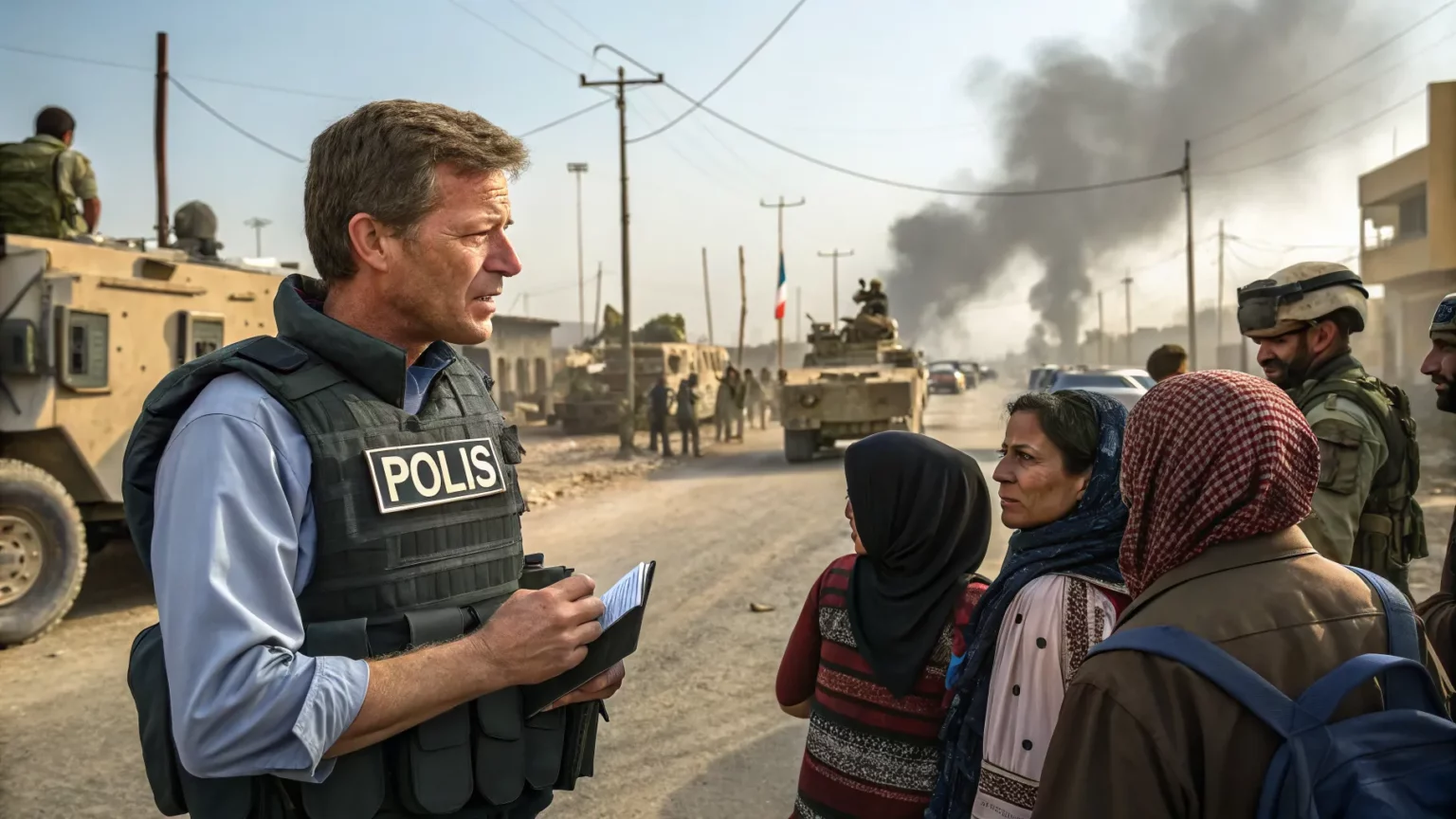
Engel’s first focus is whether the fighting jumps borders and triggers state-on-state clashes. Skirmishes on the Israel-Lebanon frontier, militia fire from Syria and Iraq, and strikes blamed on Iran or its allies form a tight chain of risks. Each incident tests red lines that regional powers have drawn in public and private.
Defense officials warn that a single deadly barrage or a strike on sensitive infrastructure could force a broader response. Gulf capitals fear missile or drone hits on energy plants and airports. In such a scenario, air defense systems could be stretched thin. Diplomats, including European envoys and United Nations officials, push for de-escalation measures to keep back-channel talks open.
Proxy Firepower And Escalation Ladders
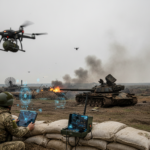
The second pillar is the scale and coordination of Iran-linked proxy operations. Militias in Lebanon, Iraq, Syria, and Yemen have improved accuracy and range. Drones and cruise missiles allow standoff attacks with deniable fingerprints. If salvos intensify or become synchronized across fronts, the pressure for direct retaliation rises.


Analysts say the risk is not only volume, but pattern. A jump from harassment to sustained, precision strikes would signal a higher rung on the escalation ladder. That could draw in U.S. forces protecting bases and shipping. Humanitarian groups caution that urban warfare and strikes near dense neighborhoods would magnify civilian harm and displacement.
Maritime Choke Points And Global Markets
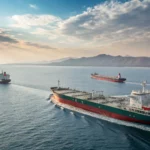
The third focus is shipping security from the Strait of Hormuz to the Red Sea. Tanker attacks, seizures, and missile launches near key lanes can ripple through energy markets in hours. Even temporary disruptions send freight and insurance rates higher. Shippers adjust routes around South Africa, adding days and costs.
Energy analysts track two signals: actual supply losses and perceived risk. Prices can jump on fear alone, then stabilize if navies restore safe passage. Coordinated patrols and convoy systems have helped in past crises, but they carry the risk of clashes at sea. Port operators and insurers watch for patterns, such as repeated strikes near chokepoints, that could prompt wider pauses in traffic.
What The Trajectory Could Mean
Engel’s triad points to a simple test for the coming days: Do incidents remain limited and contained, or do they cluster and spill into new arenas? Containment would likely keep oil flowing and spare major cities from heavy strikes. Escalation would raise costs for governments and civilians, and shake markets.
Several governments argue that deterrence and diplomacy must work in tandem. Quiet contacts with regional mediators can cap firing cycles, while credible defenses dissuade bigger salvos. Aid corridors and cease-fire windows can ease human suffering and lower the temperature.
The next phase will hinge on restraint at borders, the scale of proxy attacks, and the safety of sea lanes. If those three hold, a wider war may be averted. If they falter, expect faster military moves, tighter shipping routes, and fresh shocks in energy markets. Watch for signals from capitals and coastlines alike. That is where this conflict will be decided.