




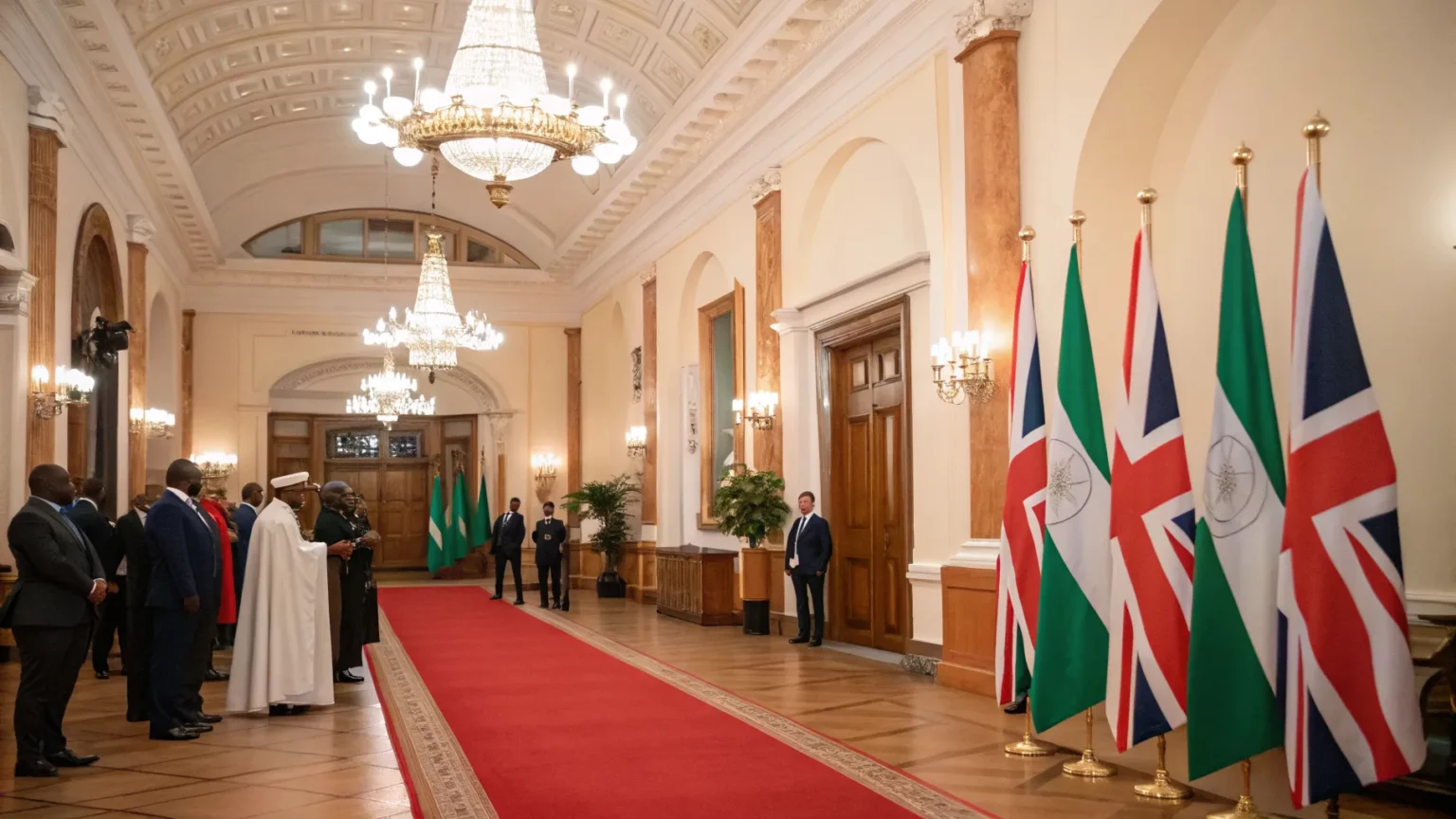
Britain is hosting Nigeria’s president for a rare state visit, a high-level moment that places trade, security, and migration at the center of talks in London. The trip, described by officials as the first of its kind by a West African leader in decades, arrives as both countries seek fresh economic ties and answers to shared security challenges.
The visit includes meetings with the prime minister, business leaders, and community groups. It is aimed at resetting a long relationship shaped by history, energy interests, and a large Nigerian community in the UK. The agenda reflects urgent needs at home for growth and jobs, and in Britain for stable partners and new markets.
Why The Visit Matters Now
Both governments face pressure to deliver results. Nigeria is Africa’s most populous nation and a key energy supplier. The UK is searching for stronger bilateral trade after recent economic shocks.
Officials have framed the symbolism as part of the story. One senior aide noted the timing:
“It comes during the Nigerian president’s state visit to the UK – the first by a west African leader in 37 years.”
While historians point to other high-level visits over the years, the current trip still marks a rare ceremonial event that can unlock deals and commitments.
Trade And Investment Priorities
Energy, finance, and technology top the commercial agenda. British officials say total trade in goods and services with Nigeria was about £7 billion last year. Business groups want that figure to grow through cleaner energy projects, digital services, and manufacturing partnerships.
Nigeria is reforming currency and fuel policies to attract capital. Investors will watch for legal clarity, predictable taxes, and faster customs processes. UK firms, in turn, seek fair access and local talent pipelines.
- Energy: shift from crude exports to gas processing and renewables.
- Finance: deeper capital market links and mobile payments.
- Tech: support for startups, data rules, and skills training.
Security, Migration, And Human Rights
Security cooperation is another priority. Nigeria continues to face insurgency in the northeast and banditry in some regions. The UK has provided training and intelligence-sharing in the past. New agreements may focus on policing, border security, and tackling illicit finance.



Migration policy is delicate. Tens of thousands of Nigerian students and workers contribute to UK universities, the NHS, and tech firms. London wants managed routes and effective enforcement. Abuja seeks fair treatment for its citizens and pathways that match labor needs.
Rights groups urge transparency on any returns or enforcement deals. They call for safeguards for students and families, quicker visa processing, and protection against exploitation.
People-To-People Ties And Education
The Nigerian community in the UK is large and active, with strong links to health care, small businesses, and the arts. Community leaders hope the visit brings lower remittance costs, easier recognition of professional qualifications, and cultural exchanges.
Education is a major link. UK universities host many Nigerian students each year. Universities are seeking joint research on health, agriculture, and climate. Parents and students want stable visa rules and clear post-study options.
Climate And Energy Transition
Both sides say climate finance will feature in talks. Nigeria plans to expand gas-to-power while building solar and wind. The UK promotes green finance and insurance to reduce project risk. Analysts expect announcements on grid upgrades and methane reduction if financing lines are agreed.
Success will depend on bankable projects and local supply chains. Communities near oilfields want clean-up funds, jobs, and transparent royalties. Investors need clear rules on carbon credits and land access.
Measuring Success
Officials suggest a short list of outcomes would signal progress: a trade roadmap with sector targets, a security cooperation plan with training timelines, and student visa processing improvements. Business groups also want a schedule for follow-up meetings within six months.
Past pledges have stalled after ceremonial visits. Civil society groups ask for public scorecards so citizens can track delivery on energy, jobs, and rights commitments.
The visit puts UK–Nigeria ties back in the spotlight and raises expectations for action. Any deals will be judged on lower costs for businesses, safer communities, and clearer paths for students and skilled workers. The next test comes quickly: whether both sides publish concrete timelines, and whether investment and visa data improve by year’s end.