



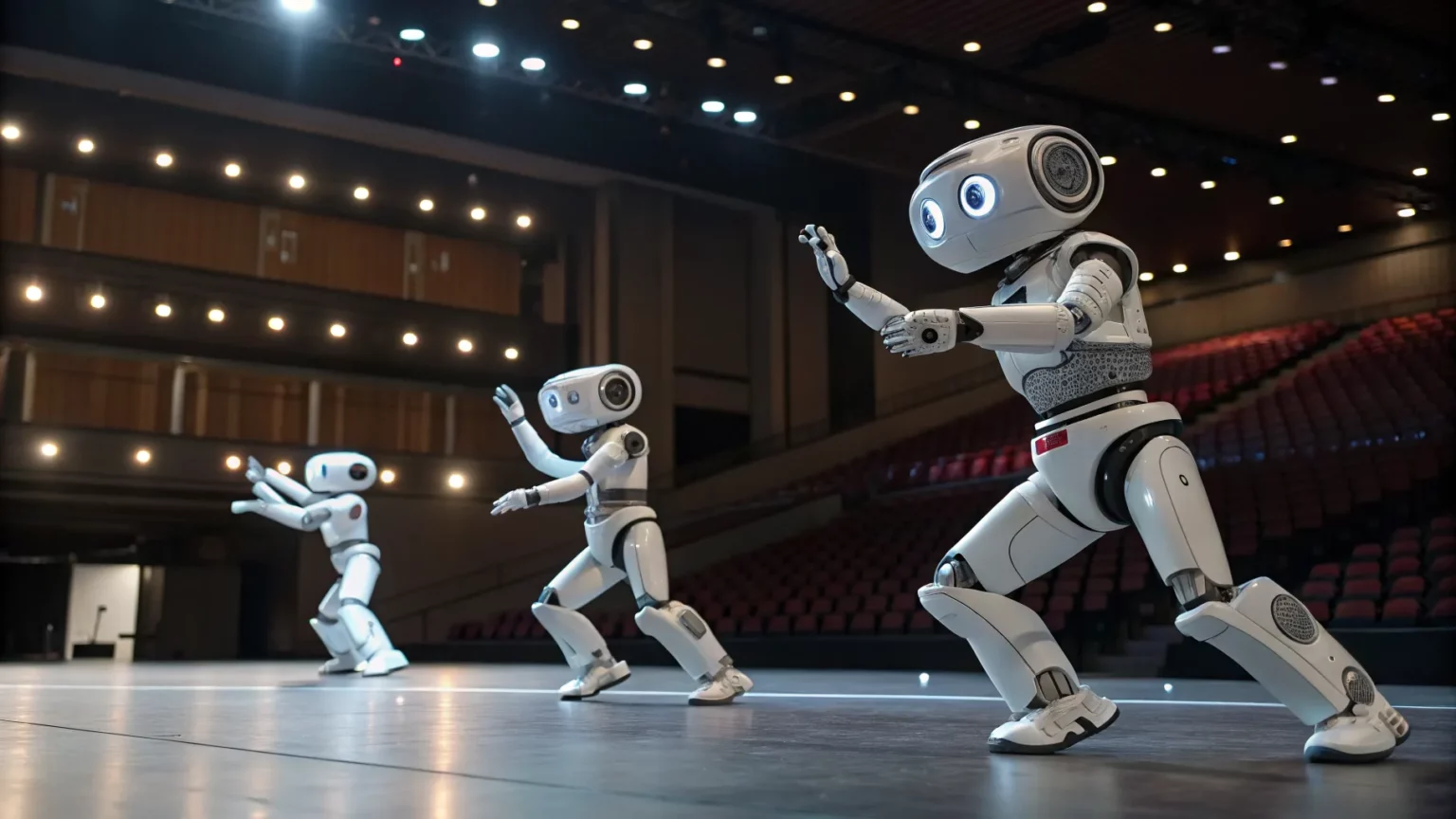
Despite viral videos and tech hype, automated performers have yet to find a steady business case. Industry insiders say the novelty wears off fast, and venues hesitate to invest. As one observer put it,
“The market for robot dancers, alas, is limited.”
The comment reflects a gap between spectacle and steady demand. Nightclubs, theme parks, and trade shows test robotic acts. Few keep them on stage long term. Cost, maintenance, and audience expectations weigh on decisions.
From Viral Sensations To Sporadic Bookings
Choreographed machines have trended online for years, helped by company demos and art installations. Short clips gain millions of views. But translating clicks into ticket sales remains hard. Venue owners report strong interest for one-off events. Repeat bookings are scarce once the surprise fades.
Promoters say guests enjoy the first performance. Many return for human headliners. The robot act then becomes a rotating attraction, not a staple. Touring shows face logistics issues, from transport to setup time. That adds costs to a feature designed as a novelty.
Economics: High Upfronts, Thin Margins
Programmable performers require precise parts and calibration. Prices vary, but the upfront spend can rival a year of bookings for a mid-size club. Insurance and operator training add to the bill. If a motor fails on show night, refunds and repairs follow.
Owners compare this to hiring dancers or specialty acts. Human performers can adjust in real time and draw fans on social channels. Robots need software updates and safety checks. The return on investment is uncertain unless the act tours widely or anchors a permanent show.
- Upfront purchase or rental fees remain high.
- Maintenance windows cut into rehearsal and staging.
- Limited routines reduce repeat attendance.
Creative Limits And Audience Expectations
Choreography teams can code intricate moves. Yet spontaneity is hard to replicate. Audiences expect surprise, banter, and connection. A machine can hit marks with precision. It struggles with eye contact, crowd work, and adapting to live cues.
Safety rules cap speed and proximity. That further narrows staging. The result is a polished but contained set. Over time, viewers begin to treat it like an installation rather than a headliner. This matters in nightlife, where energy and improvisation drive bar sales and repeat traffic.



Workforce Questions Without Clear Substitution
Some critics fear robots might replace dancers. Venue managers counter that bookings do not show a swap. Instead, the machine act appears as a special segment. Human performers still lead the night and anchor promotions.
Choreographers also note that engineers and artists create the routines. New jobs emerge in staging, coding, and lighting. But those roles do not directly replace stage talent. For most venues, the robot is an add-on, not a substitute.
Where It Works: Theme Parks And Trade Floors
Permanent attractions have better odds. Parks can integrate animatronics into larger shows with timed effects. Trade shows use robots to pull foot traffic and start sales pitches. These models benefit from controlled schedules and predictable staging.
Even there, the programs rotate often. Curators refresh storylines to keep repeat visitors engaged. The act performs best as one piece of a larger production, not the sole draw.
What Could Shift The Market
Lower costs and simpler operations could help. Portable rigs with quick setup would cut staffing needs. More adaptable software would allow new routines without lengthy reprogramming. Clear safety frameworks would ease insurer concerns.
Partnerships with brands may also extend runs. A sponsor can underwrite costs in exchange for visibility. That model already supports drone shows and projection mapping. It could work for stage robots if performance variety improves.
The current outlook favors niche use, not mass adoption. Demand spikes around festivals, openings, and product launches, then cools. The draw remains real, but brief. The comment that “the market for robot dancers, alas, is limited” matches the business math that venues face today. Watch for lighter rigs, better crowd interaction, and new financing models. If those arrive, automated performers may move from viral clip to steady billing. Until then, the spotlight stays shared, and mostly human.