




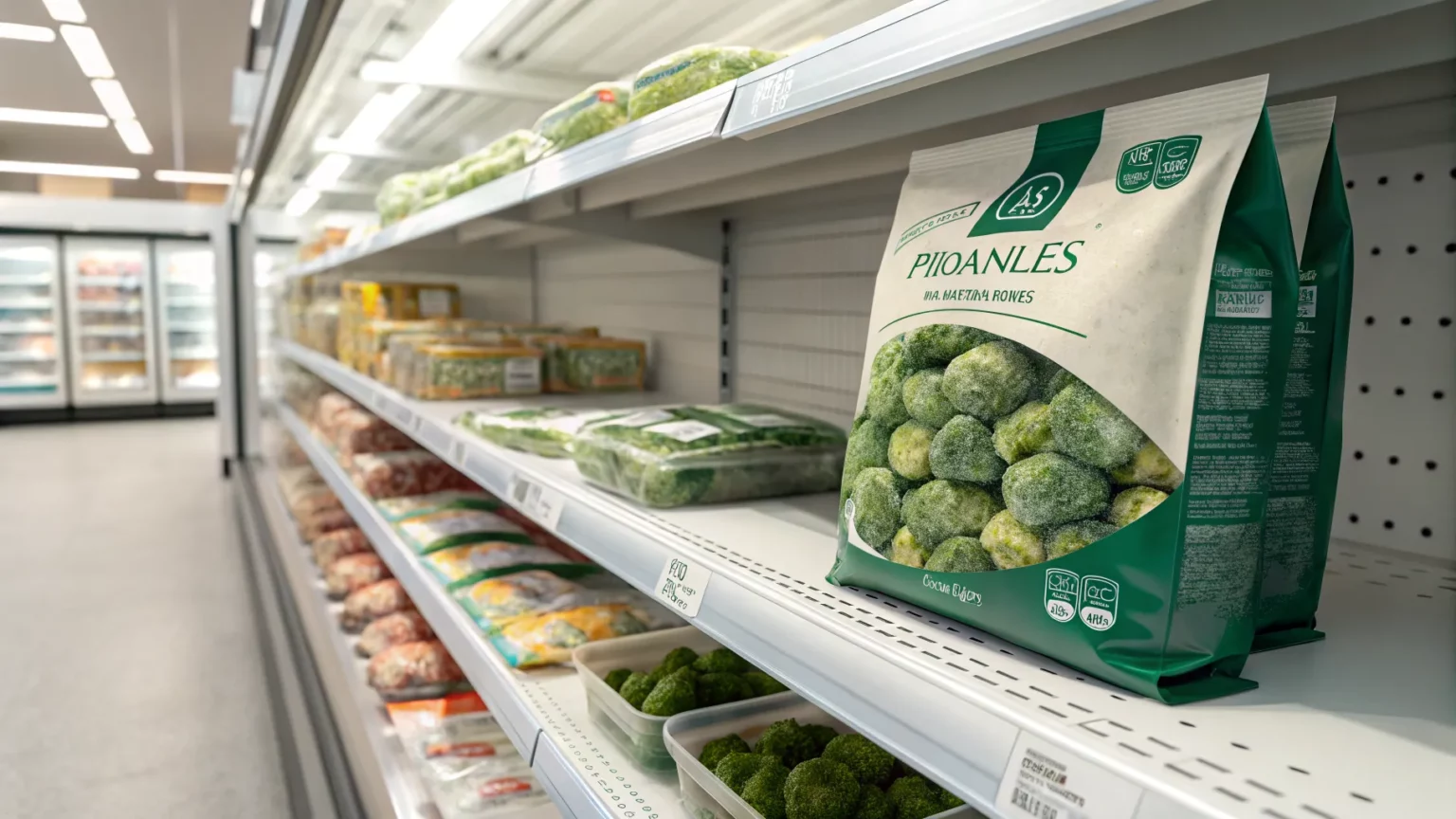
Aldi has pulled a frozen appetizer from shelves in Maryland and Pennsylvania after federal regulators warned about possible rodent hair contamination. The company initiated a Class II recall, which signals a health risk that is not likely to cause serious harm but still requires action. The move affects select stores in the Mid-Atlantic and follows an alert from the Food and Drug Administration.
The recall covers frozen spinach bites. Aldi said it was acting out of caution after receiving the FDA notice. The company is advising customers in the affected states to stop using the product and seek a refund or dispose of it.
What Triggered the Action
The FDA informed the grocer of potential contamination. In announcing the recall, the notice stressed consumer safety and quick removal of the product from sale.
“Aldi recalls frozen spinach bites in Maryland and Pennsylvania after FDA warns of possible rodent hair contamination in a Class II recall.”
Class II recalls apply when a product may cause temporary or reversible health issues or when the chance of serious outcomes is remote. Even so, regulators expect swift action to keep risk low.
Background and Risk
Food recalls are a regular part of the safety net for processed and packaged goods. The FDA’s classification system ranges from Class I, the most serious, to Class III, which involves minor labeling or quality concerns. Class II sits in the middle. It still prompts removal from retail and consumer guidance.
Rodent hair contamination, while rare, can pose hygiene and allergy risks. The hazard typically arises from lapses in raw material handling or processing controls. Federal rules require companies to prevent such foreign material from entering food, and to act quickly if there is a concern.
Scope and Store Response
The action applies to Aldi stores in Maryland and Pennsylvania. The company did not detail other markets in the announcement. Staff in affected stores have been directed to remove the product and post recall notices at the point of sale.
Frozen items like spinach bites often move across regional supply chains. When a concern emerges, retailers trace shipments to isolate affected locations. That process helps limit disruption while addressing risk.



Consumer Guidance
Customers who purchased the spinach bites in Maryland or Pennsylvania should take simple steps now.
- Do not eat the product.
- Check your freezer for the item and remove it.
- Return it to the store for a refund, or discard it safely.
- Clean any surfaces or containers the product touched.
Consumers who experience symptoms after eating the product should consult a healthcare provider. Those with allergies or compromised immunity may want to be extra careful.
Industry and Regulatory Context
Food companies are required to maintain hazard controls and verify suppliers. When a potential defect arises, recalls are coordinated with the FDA, and public notices are issued. Transparency is key to keeping risk low and informing shoppers quickly.
Analysts say that frozen snack items can be vulnerable due to multiple ingredients and production steps. Strong supplier oversight and routine inspection reduce that risk. Retailers typically review procedures after a recall to prevent repeat events.
What Comes Next
Regulators will monitor the removal of the spinach bites and assess whether additional lots or regions are affected. Aldi will work with suppliers to identify the source of the issue and confirm corrective actions at the plant level.
Shoppers should watch for updated notices that may include lot numbers or expanded locations. If no new information appears, the recall will likely remain limited to the two states named.
The incident highlights a basic fact of food safety. Quick reporting and removal can keep a small problem from growing. For now, the guidance is simple: check your freezer, and do not serve the recalled spinach bites.