




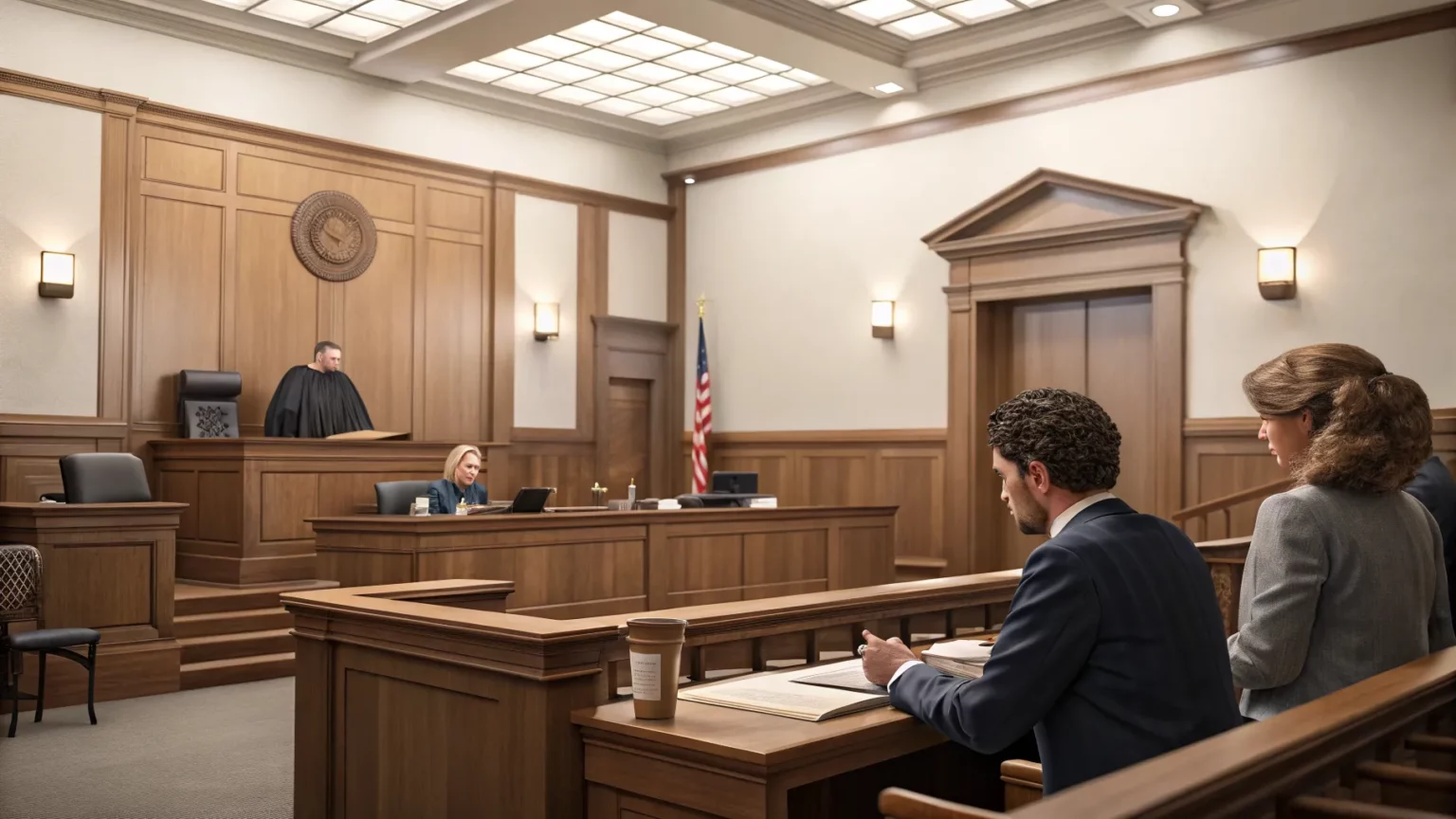
A high-profile legal fight between two wealthy moguls is heading to a jury, and the central question is trust. The case turns on which figure a panel of citizens believes more, after weeks of claims, counterclaims, and careful image work by both sides.
Attorneys have framed the dispute as a test of character as much as a test of facts. Each side argues the other misled investors, partners, or the public. With closing arguments complete, jurors will weigh the stories, the documents, and the conduct they saw in court to decide who is credible and why it matters.
“Of the two unloved billionaires, which will the jury trust?”
Why Trust May Decide the Verdict
Trials that hinge on complex business records often come down to whose explanation feels honest and consistent. Jurors look for steady timelines, clear motives, and testimony that holds up under cross-examination. When both parties carry public baggage, the side that shows restraint and detail can gain an edge.
Legal scholars say credibility is built in small ways: direct answers, steady tone, and alignment between documents and testimony. It can be lost in a moment through evasive language, surprise shifts in story, or visible frustration under pressure.
The Wealth Effect in the Jury Box
Public attitudes toward extreme wealth add another layer. Surveys such as the Edelman Trust Barometer have reported skepticism toward top corporate leaders, even as people say they trust their own employers more. That split can surface in court, where jurors may scrutinize executives for signs of entitlement or distance from everyday consequences.
Researchers note that wealth does not automatically help or hurt a party. Its impact depends on how jurors link money to motive. If jurors think profits drove risky choices, they may view wealth as a reason to doubt. If they see resources used for compliance and transparency, wealth can look like responsibility.
- Jurors often prize plain language over technical talk.
- Apologies paired with facts can soften hard edges.
- Aggressive demeanor risks backlash if it seems dismissive.
Strategies on Display
Trial teams in such cases usually follow two tracks. One presents a clear, document-first story that leaves little to memory. The other focuses on themes of fairness, intent, and industry norms. Both matter. Jurors want a clean paper trail, but they also want to understand why choices were made.
Expert witnesses can anchor the narrative. When experts explain contracts, audits, or accounting in simple terms, they give jurors safe ground. Cross-examination then tests whether those expert views fit the emails, board minutes, and financial records.



Industry Stakes and Market Signals
High-stakes verdicts can reshape how companies disclose risks, govern boards, and handle investor updates. Past corporate trials led to tighter disclosures and more active audit committees. Insurers also respond, raising premiums or narrowing coverage after large awards.
Investors track such cases for clues on regulatory appetite. A verdict that penalizes loose statements can chill bold forecasts. A defense win may signal that juries still accept business judgment when records show good-faith steps.
What Jurors Tend to Reward
Patterns from major business trials suggest jurors reward parties that acknowledge gray areas while sticking to facts. Precision helps: dates, names, and numbers that match exhibits. So does proportionality: actions that fit the size of the risk.
Jurors also watch for who took responsibility when red flags appeared. Escalation, board notice, and outside review can show care. Silence, delay, or finger-pointing can damage trust.
What to Watch Next
Deliberations will test how the panel resolves competing stories from two powerful figures. The verdict will tell companies how far clarity and candor can carry them when reputations run cold. It may also set quiet rules for how executives speak in public, how lawyers frame risk, and how boards document oversight.
For readers, the key takeaway is simple. In complex business disputes, facts matter, but trust decides which facts jurors believe. The side that pairs a tight record with a steady voice often wins the room. The final decision here will signal which traits—humility, precision, or toughness—carry the most weight when the stakes are high.