



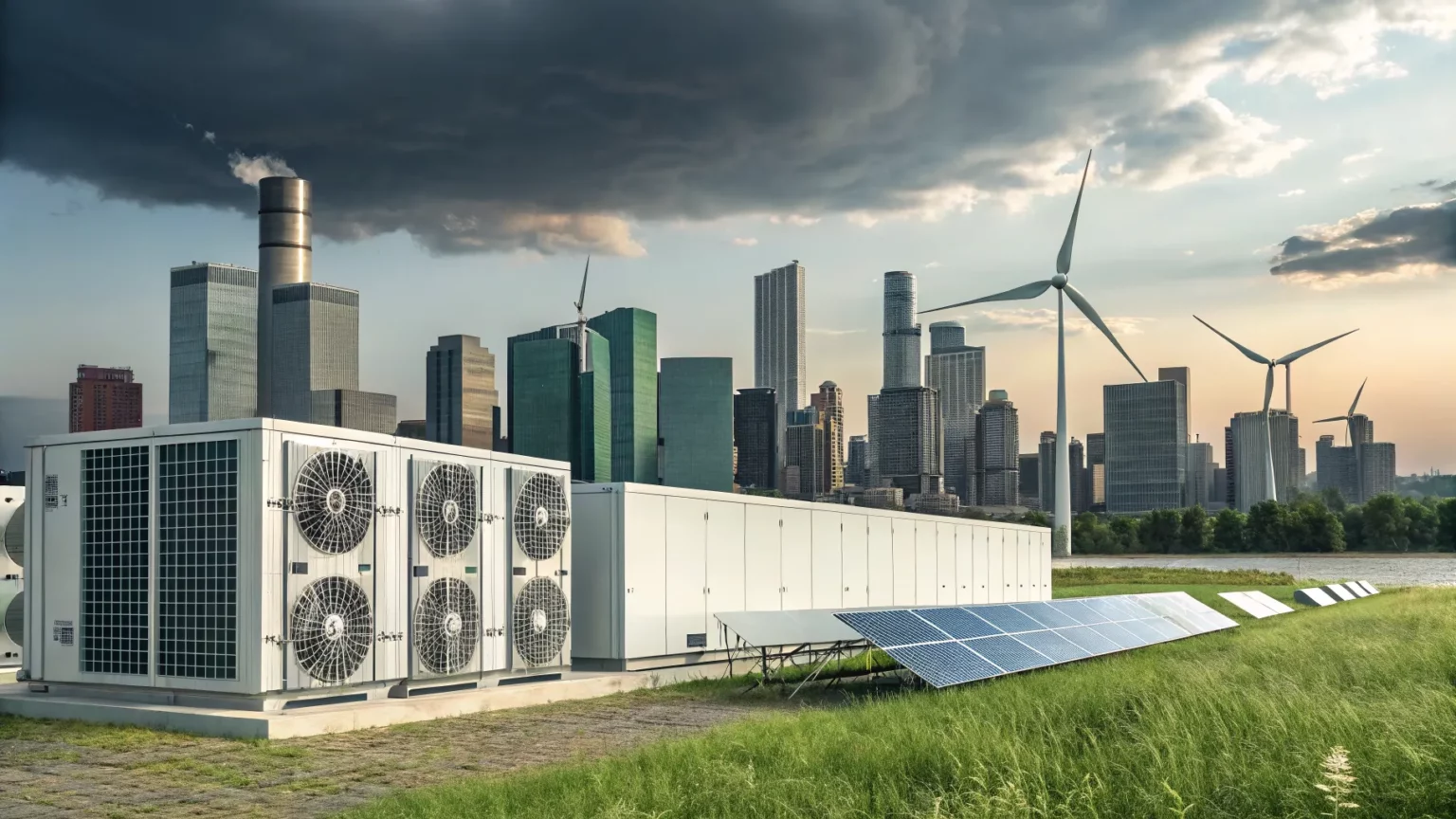
Officials in a G7 country are racing to meet a 2050 net-zero target, yet a new challenge is rising fast: the power demands of artificial intelligence data centers. The government faces a tight balance between climate goals, digital growth, and grid reliability. The tension is growing as permitting requests for new facilities arrive and communities ask how they fit with national pledges.
“Officials in this G7 nation want to hit net zero by 2050, but AI data centers may be an issue.”
The core question is simple. Can rapid AI expansion align with a shrinking carbon budget? Policymakers and industry leaders are now testing answers in real time.
Why AI’s Growth Pressures Climate Plans
AI models run on high-performance chips that draw large, steady loads of electricity. Training a model can require weeks of nonstop power. After training, inference also adds constant demand across many servers. Cooling systems add more load, as do battery backups and networking gear.
Electric utilities warn that new clusters can strain local grids. In some regions, the queue for new connections is already long. Each new facility can compound the problem if clean generation and transmission do not keep pace.
Water is another concern. Many centers use water for cooling, raising questions in drought-prone areas. Communities want assurances that facilities will not burden local supplies or discharge warm water into fragile ecosystems.
What the Data Suggests
Global energy agencies and grid operators have flagged rising data center demand. Recent assessments note that electricity use tied to computing is climbing as AI workloads spread from research labs to consumer and business tools. While estimates vary, the direction is clear: more servers, more power, more pressure on grids that must also replace fossil fuels with clean sources.
Experts point to three pinch points. First, new renewable projects and transmission lines take years to build. Second, permitting for both power and data facilities can be slow. Third, efficiency gains in chips and cooling may not fully offset the surge in computing.
Government Options on the Table
Officials are weighing how to guide growth without stalling innovation. Energy ministries, regulators, and regional planners are studying grid capacity and setting conditions for new sites.



- Requiring data centers to procure high levels of additional renewable power, not just existing supply.
- Linking permits to on-site or nearby clean energy and storage.
- Incentivizing heat reuse, water recycling, and dry or advanced cooling.
- Priority interconnections for projects that reduce peak demand or offer grid services.
- Disclosure rules on hourly carbon intensity and water use.
Some planners also discuss location rules to cluster facilities near strong transmission and cool climates. That can lower both grid costs and cooling needs.
Industry’s Pitch: Growth With Lower Emissions
Cloud providers say they can add capacity while reducing emissions. Companies point to power purchase agreements for wind and solar and to investments in battery storage. Engineers highlight gains from liquid cooling and smarter workload scheduling that shifts computing to times when clean power is abundant.
Executives also argue that AI can aid climate work. They cite tools that cut energy waste in buildings, optimize wind and solar output forecasts, and detect methane leaks faster than manual surveys. Critics respond that these benefits do not erase the direct footprint of ever larger models and round-the-clock inference.
A Tight Timeline and Trade-Offs
The 2050 target leaves little room for missteps. Every year of grid expansion counts. If data center growth forces more gas-fired peakers or delays coal retirements, the math gets harder. If, instead, new facilities help finance fresh clean power and storage, they could support the transition.
Analysts say the outcome will hinge on details. Hourly matching of data center loads to new renewable generation can cut emissions more reliably than annual matching. Transparent reporting helps track progress and spot gaps. Local engagement can surface risks on water and land use before they harden into disputes.
What to Watch Next
Expect new guidance on interconnections, siting, and emissions reporting in the coming months. Utilities will publish updated load forecasts that factor in AI growth. Cities and regions may set their own rules on water and heat recovery. Technology roadmaps for more efficient chips and cooling will influence how far efficiency can stretch.
The government faces a clear test. It must steer AI-driven demand in a way that adds clean capacity, protects communities, and keeps the 2050 goal within reach. The next set of permits, power deals, and grid upgrades will show whether that balance is possible at scale.