


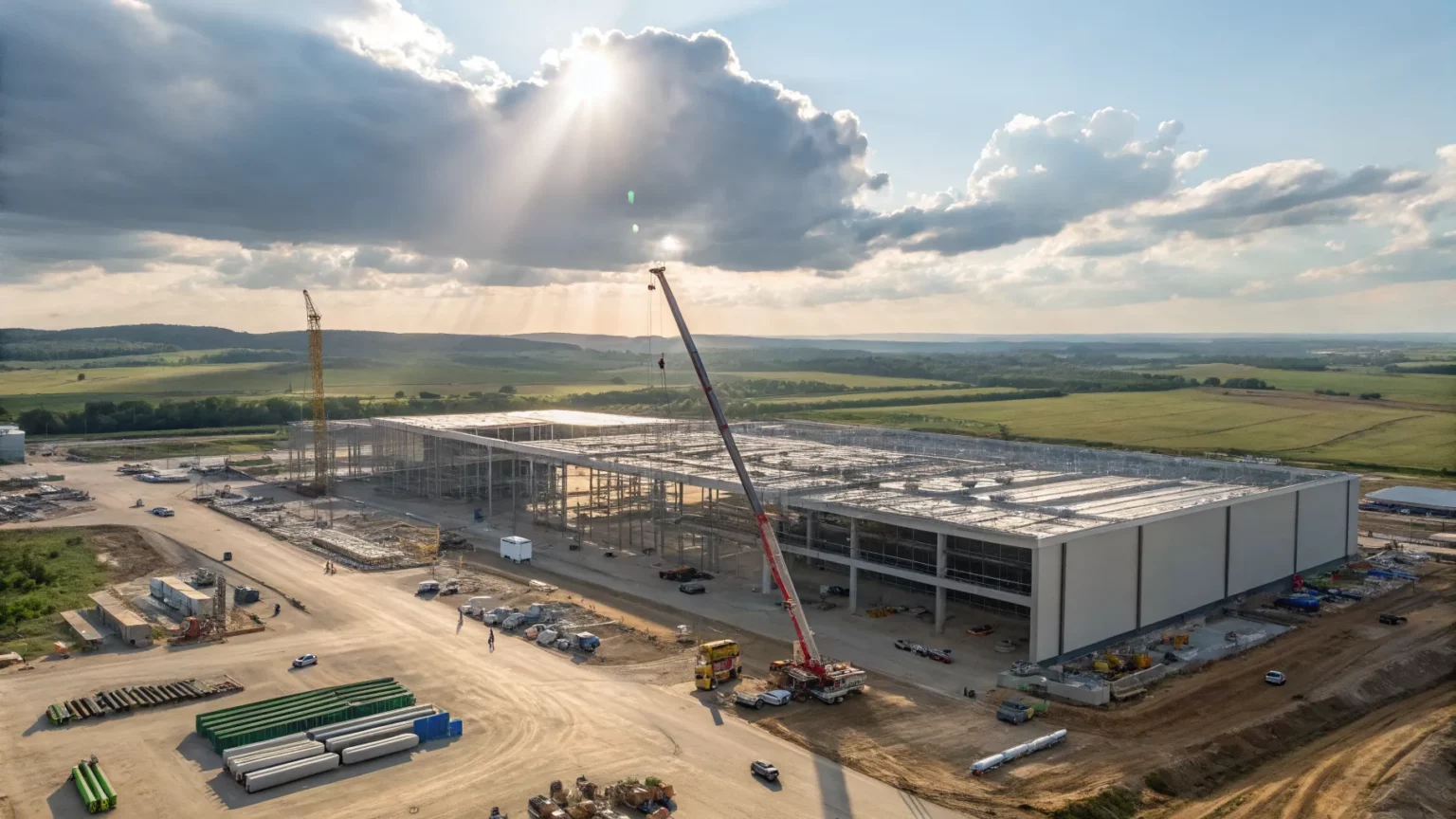
Century Aluminum’s chief executive, Jesse Gary, signaled a fresh push for U.S. metal independence in a television interview, outlining plans for a large aluminum plant in Oklahoma that would lift domestic output and reduce reliance on imports. The proposed facility, discussed on Fox Business’ Mornings with Maria, aims to add primary smelting capacity at a time when manufacturers face tight supplies and policy makers weigh trade and energy security.
The project would mark one of the few new primary aluminum investments on U.S. soil in decades. It comes as buyers in autos, aerospace, construction, and defense seek steadier supply, and as Washington scrutinizes exposure to foreign metal, including from Russia and China.
Century Aluminum CEO Jesse Gary joins “Mornings with Maria” to discuss a massive new Oklahoma aluminum plant aimed at boosting U.S. production and cutting reliance on foreign imports.
Why Oklahoma and Why Now
Oklahoma offers land, access to skilled labor, and an energy mix that includes wind and natural gas. Aluminum smelting is power-intensive, so electricity prices and reliability shape where projects land. State and local officials have courted heavy industry with infrastructure and workforce programs, arguing the buildout can deliver durable jobs and tax revenue.
Industry groups say the U.S. now depends on overseas sources for much of its primary aluminum. That dependence grew as several domestic smelters closed or curtailed over the past 15 years amid volatile power costs and global price pressure. A new plant could help offset those losses and give downstream manufacturers a steadier base of supply.
Supply Chains, Security, and Trade Pressures
Aluminum is central to vehicles, aircraft, power grids, and consumer goods. During recent supply disruptions, buyers faced higher costs and longer lead times. Policy makers have also flagged national security concerns tied to foreign metal, and the U.S. has kept tariffs and sanctions on certain sources.
Analysts say an Oklahoma smelter could reduce exposure to geopolitical shocks. It could also support onshoring goals for sectors like electric vehicles and transmission hardware, where aluminum’s light weight and conductivity are prized.
Jobs, Energy Use, and Environmental Questions
New primary smelting would create construction and long-term operations jobs. Local training programs could help move workers into maintenance, process control, and safety roles. Communities near the site could see growth in housing and services if the project advances.
Environmental groups will watch the plant’s power mix. Primary aluminum has a high energy footprint, but emissions vary widely depending on electricity sources. Oklahoma’s growing wind generation could help lower the metal’s carbon intensity if it supplies a significant share of the load. Company plans on recycling and modern cell technology will also matter.


- Jobs: Construction surge, followed by skilled operations roles.
- Grid impact: Large, steady load requiring reliable, affordable power.
- Emissions: Dependent on electricity mix and process improvements.
Industry Impact and Price Effects
Adding domestic capacity can smooth supply for rolling mills and extruders that feed autos, packaging, and building products. If the new plant reaches scale, it could trim import needs and reduce freight risk. Price effects would hinge on global conditions, power costs, and how quickly production ramps.
Producers note that stable long-term power contracts are key to keeping smelters running during weak price cycles. Buyers may seek offtake agreements to anchor financing and secure low-carbon metal, a growing requirement in auto and aerospace tenders.
What Stakeholders Are Watching
State leaders will focus on land use, water, and transmission upgrades. Utilities will assess grid capacity and potential investments to manage a large industrial load. Labor groups will press for safety and wage standards. Manufacturers will look for predictable deliveries and certifications on quality and emissions.
Financial backers will weigh construction timelines and the company’s track record. Federal programs that support strategic materials and cleaner industrial power could influence the pace and scope of the build.
Outlook
The Oklahoma plan signals renewed confidence in U.S. primary aluminum after years of contraction. It aligns with efforts to make key materials more secure and, over time, cleaner. If Century Aluminum secures power, permits, and financing, the project could become a cornerstone for regional manufacturing and a test of whether domestic smelting can compete on cost and carbon.
The next milestones include site selection details, permitting progress, power agreements, and any supply contracts with automakers or aerospace suppliers. Watch for clarity on the energy mix, targeted output, and commissioning dates. Those steps will show whether this bid to rebuild U.S. aluminum capacity can deliver on price, reliability, and lower emissions.