




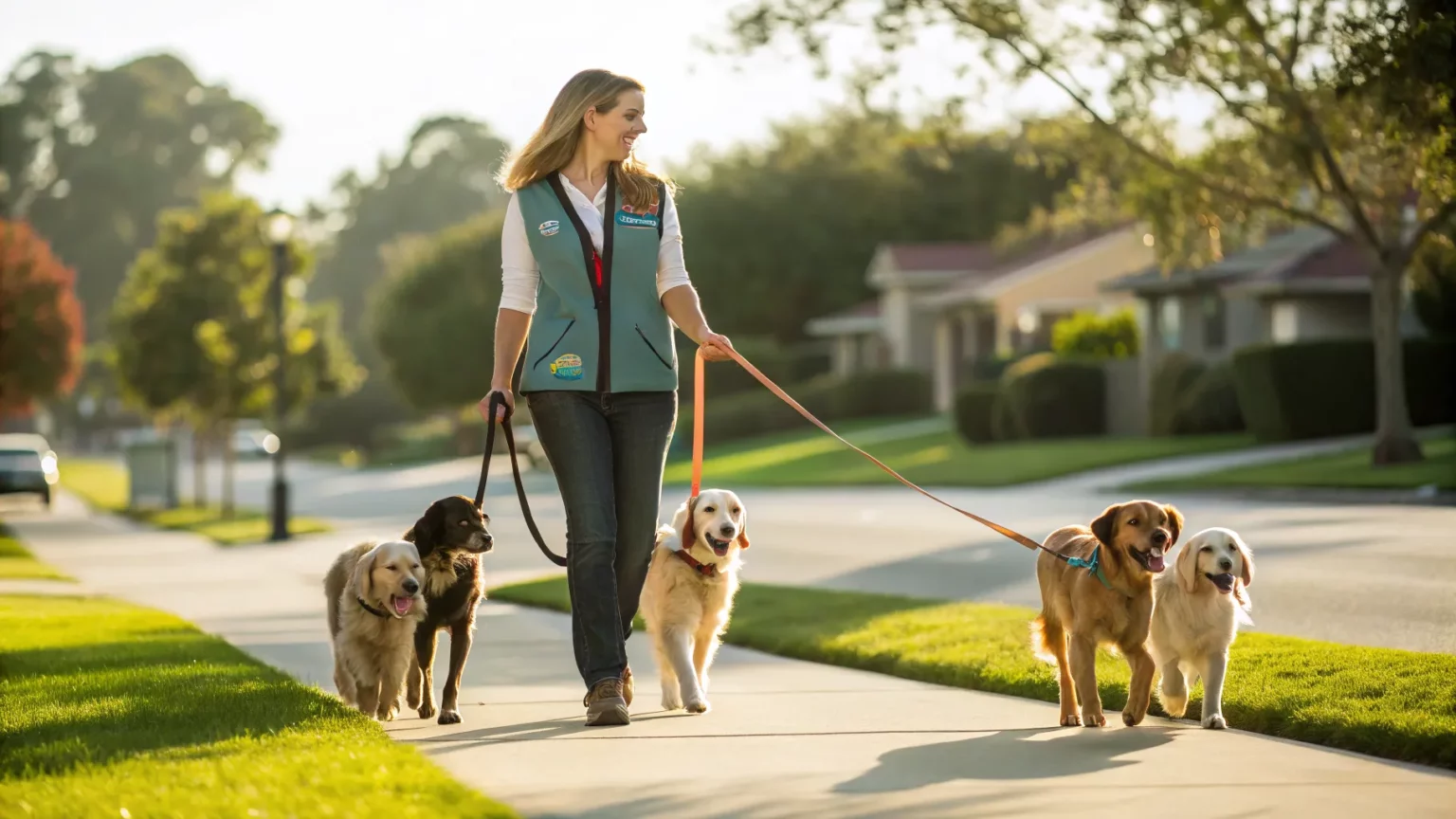
A young entrepreneur’s dog walking side job has grown into a full-fledged business, as described in a recent “Course Correction: Next Gen Financial Freedom” special hosted by Fox Business anchor Gerri Willis. The segment examined how a simple service, launched with minimal cash and a schedule built around school and work, evolved into a steady enterprise and a personal finance lesson for new founders.
The conversation focused on the practical steps that turned an idea into income: customer trust, steady demand from busy pet owners, and the discipline to track costs and reinvest profits. It also highlighted how entry-level ventures can teach cash flow basics and business planning faster than a textbook.
From Side Hustle to Steady Business
According to the special, the guest started with one or two clients before adding repeat walks, pet sitting, and weekend coverage. Word of mouth drove most early growth. The approach was simple but consistent: show up on time, keep pets safe, send updates, and ask happy clients for referrals.
Willis framed the story as a template for peers who want to earn more without taking on heavy debt or complex overhead. The business scaled as the founder learned to price by time and distance, bundle services, and set cancellation rules. Small moves—like using route planning apps and digital payments—helped turn scattered gigs into a reliable schedule.
The segment explored “how a young entrepreneur turned a side job of dog walking into a business—and the rewards of it,” the program said.
Why Pet Care Works for First-Time Founders
Pet services often require limited startup costs. A leash, insurance, and a simple booking system can be enough to begin. Demand is steady in many neighborhoods, and clients value consistency. That creates room for subscription-style packages and repeat bookings, which support predictable cash flow.
Industry observers have long pointed to growth in pet spending tied to higher pet ownership and a shift toward premium services. That context helps explain why dependable, local providers can gain traction without heavy advertising. The model also rewards trust and personal rapport, which can be hard for larger platforms to replicate at the neighborhood level.
Money Management and Measured Growth
The special emphasized budgeting and recordkeeping as the business expanded. Tracking miles, time per visit, and seasonal swings helped refine pricing. Setting aside cash for taxes and emergency costs reduced stress during slower weeks.
- Schedule planning reduced travel gaps and raised hourly earnings.
- Tiered pricing clarified expectations for last-minute requests and holidays.
- Simple client contracts improved reliability on both sides.
As bookings grew, the founder faced a choice: stay solo, or hire help. The program discussed interviewing relief walkers, verifying references, and using trial shifts. Clear routines for keys, alarm codes, and pet medications were central to quality control.



Risks, Rewards, and What Comes Next
Not every day is easy. Weather, sick pets, and delayed trains can throw off a tight schedule. Liability and safety are core concerns. The segment pointed to insurance and basic pet first-aid training as sensible protections. Communication matters, too. Quick updates and transparent policies preserve goodwill when plans change.
The rewards include steady income, flexible hours, and stronger ties to the community. For some, it is a bridge to other goals, such as saving for school, paying down debt, or testing a larger venture. For others, it becomes a long-term small business with add-on services like training, boarding, or grooming partnerships.
What This Story Says About Youth Entrepreneurship
Willis’s conversation highlights a broader trend: young workers are piecing together income from practical services while building basic business skills. The path is accessible, but the lesson is clear—professional habits and financial discipline turn occasional gigs into a dependable enterprise.
The next steps for the featured founder mirror common crossroads: refine service zones for efficiency, formalize onboarding for helpers, and invest in tools that protect time and quality. Those choices can lift margins without losing the personal touch that brought early clients in the door.
The takeaway is straightforward. Small, reliable services can teach entrepreneurship faster than theory. With clear pricing, consistent service, and careful planning, a side job can become a durable business—one walk at a time.