




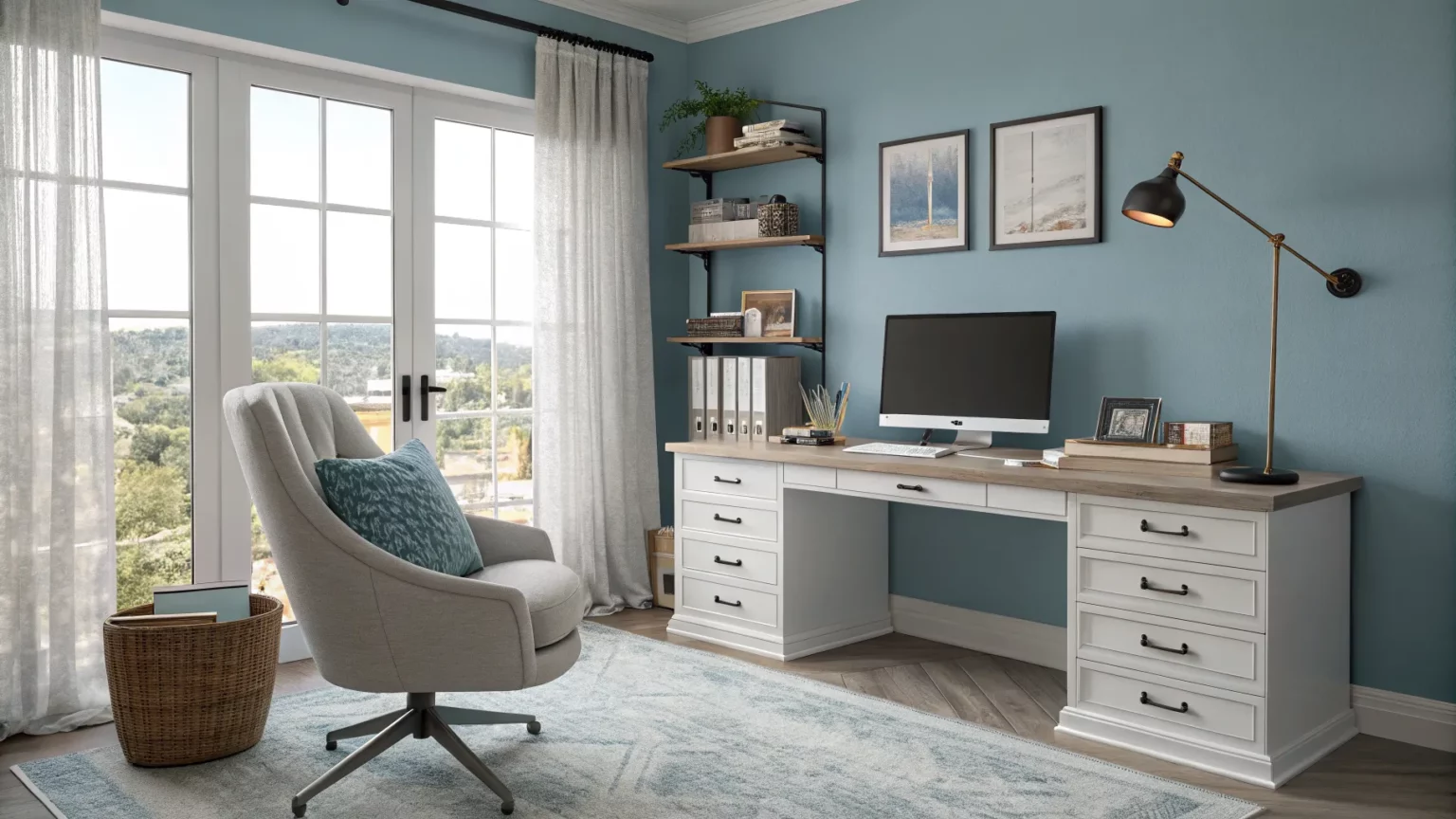
After months of staying inside, many Americans are reshaping their homes into places that work harder for them. From spare bedroom desks to fresh paint and new fixtures, spending on home offices and renovations has climbed as people seek comfort and productivity. Consumer finance writer Ben Moore of NerdWallet says many are redirecting travel and entertainment budgets into their spaces, raising fresh questions about costs, safety, and what upgrades actually pay off.
Background: A Stay-At-Home Shift
Home once served as a base. Then it became an office, classroom, gym, and everything in between. That shift sparked a run on chairs, monitors, and webcams. It also pushed people to fix what had been easy to ignore, like weak lighting, old flooring, and drafty windows. As Moore frames it, the urge to upgrade is as much emotional as practical, especially after long stretches indoors.
“Some are using their time (and money) to create a change of scenery or upgrade their surroundings. Office equipment purchases are on the rise, and people are tackling more renovation projects than usual.” — Ben Moore, NerdWallet
What began as a quick refresh has often turned into bigger plans. A new chair led to a new desk, which inspired a reorganized room, which begged for better lighting. That domino effect is powering demand for tools, décor, and handyman services.
The Home Office Boom
Ergonomics is now a household word, as kitchen stools give way to supportive chairs and adjustable desks. Workers say they want setups that ease back pain and improve focus. Many are adding second screens, better microphones, and brighter task lights to match office standards.
Moore notes that shoppers are hunting for value, often weighing return policies and delivery times as much as price. Durable items that get daily use, like chairs and keyboards, top the list. People are also looking for flexible furniture that can slide into a guest room or fold away when space is tight.
- Top upgrades: Desk chairs, monitors, lighting, storage.
- Key concerns: Supply delays, returns, warranties.
- Smart buys: Items with strong reviews and clear trial periods.
Renovations Rise, With Caveats
Paint and peel-and-stick finishes are popular because they are fast, cheap, and reversible. Larger projects, like kitchen updates or flooring, require careful planning. Costs can swell when materials run short or when do-it-yourself work needs a professional redo.
Moore warns that the bill often grows past the first estimate. Hidden issues and change orders are common. The fix is old-fashioned homework: compare quotes, check references, and map a clear scope before a single tile comes up. He also urges people to weigh insurance and permits so a fresh look does not turn into a liability later.
Budgeting and Buyer Smarts
Many households are shifting money from commuting, dining out, and trips. That cushion can vanish fast without a plan. Moore’s advice centers on setting a ceiling and splitting projects into phases. That way, must-haves come first and nice-to-haves wait for a sale.



He points to common traps: impulse buys that do not fit the space, pricey devices with short warranties, and décor that dates quickly. Shoppers fare better with neutral finishes, functional storage, and gear they can resell if needs change.
What This Means for Retailers and Renters
Stores that stock ergonomic gear, lighting, and basic tools are seeing steady interest. Curbside pickup and delivery windows matter more than showrooms. Clear return windows and easy assembly guides win repeat buyers.
Renters face a tougher puzzle. Many can repaint, hang shelves, and add rugs, but bigger changes need permission. Portable upgrades — from freestanding shelves to plug-in lighting — help avoid deposit drama and keep options open for the next lease.
Looking Ahead
The home is still doing overtime. Even as offices reopen and routines settle, the push for flexible, comfortable spaces is unlikely to fade. People who invested in smart desks and better lighting will keep using them. Renovations that improve daily life — quiet rooms, organized kitchens, energy savings — tend to hold their value.
The upshot is simple: plan, price, and pace the work. As Moore puts it, the urge to refresh is real, but the best upgrades serve both today’s needs and tomorrow’s plans. Watch for sales, read the fine print, and build a space that can adapt. The smartest change is the one you will still love six months from now.