


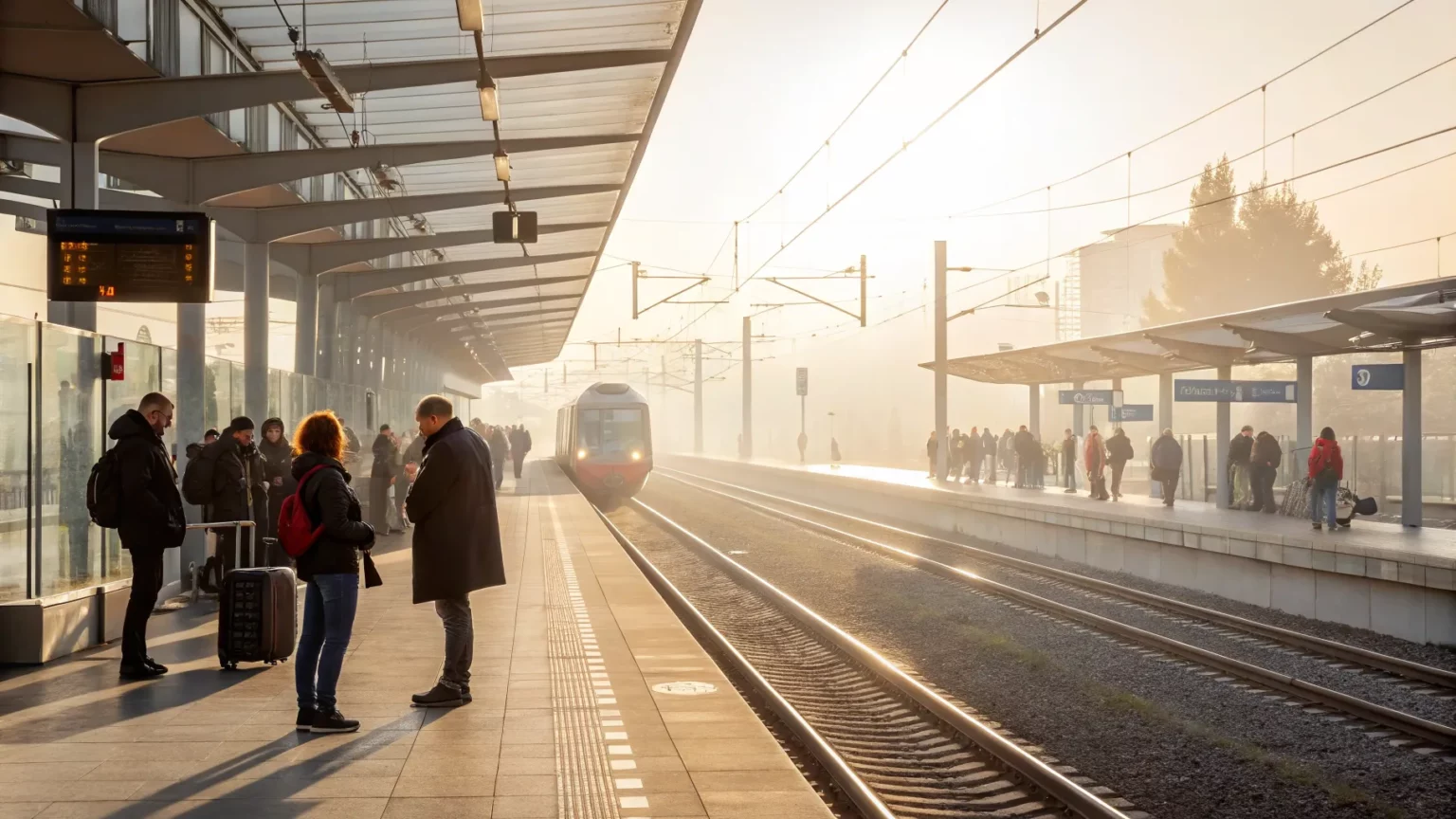
A three-day strike that halted the nation’s busiest commuter railroad ended Monday after unions and the Long Island Rail Road reached a tentative agreement, restoring trains for New York’s eastern suburbs as the workweek began.
The deal pauses a labor standoff that stranded riders across Long Island and parts of New York City. Limited bus service, ride-shares, and carpooling filled the gap, but many commuters faced long delays. The rail operator and union leaders now shift to member ratification and service recovery after a tense weekend of bargaining.
“A three-day strike on the nation’s largest commuter rail system ended Monday with the unions and Long Island Rail Road reaching a tentative deal.”
Background: A System Too Big to Stop
The Long Island Rail Road is the largest U.S. commuter railroad by ridership, linking Nassau and Suffolk counties with Queens, Brooklyn, and Manhattan. It carries hundreds of thousands of riders on a typical weekday, moving hospital staff, office workers, students, and service employees. When trains stop, traffic clogs highways and bridges, and bus lines overflow.
Labor disputes on the railroad are not new. Federal rules under the Railway Labor Act set strict steps for bargaining, mediation, and cooling-off periods before a strike can occur. The process is meant to protect interstate commerce and public safety. Even so, high-stakes showdowns have periodically pushed the railroad to the brink. This stoppage, while short, tested strike plans built over years.
Impact on Riders and Regional Economy
For three days, commuters scrambled. Many left before dawn to beat traffic. Others worked from home or took vacation days. Small businesses near stations reported fewer customers as foot traffic vanished.
- Highways on Long Island and in eastern Queens saw heavier rush-hour volumes.
- Hospitals and schools adjusted shifts and schedules to keep services running.
- Outdoor events and weekend plans were canceled or scaled back.
Transportation analysts said the strike’s short duration limited wider economic damage. But the disruption highlighted the region’s reliance on commuter rail. It also renewed debates over investments in redundancy and telework flexibility during transit emergencies.
Inside the Tentative Deal
Details were not immediately released. Typical packages in such disputes include wage increases tied to inflation, work-rule changes to improve scheduling, and commitments on safety training. Health care contributions and overtime rules often sit at the center of talks.
Union leaders will brief members on the terms and set a vote. During that period, trains run, but tensions may remain if rank-and-file workers see gaps between bargaining goals and final language.


Why the Stoppage Ended Now
Both sides faced pressure to show progress early in the week. Each additional day raised costs for the agency and the community. Riders, elected officials, and business groups pushed for a solution that got trains moving without protracted courtroom fights or emergency orders.
Labor experts say short strikes can demonstrate resolve while preserving public support. A quick return reduces the risk of hardening positions and makes ratification more likely, especially if commuters see immediate benefits from restored service.
What History Tells Us
Past rail labor showdowns often end with phased wage gains and incremental work-rule shifts. Safety remains a shared priority. After earlier disputes, the railroad invested in track maintenance, crew training, and signal upgrades, steps that tend to win broad backing.
This time, the experience may accelerate talks on staffing flexibility and contingency planning. Agencies across the region will review what worked and what failed in the substitute service plan.
What to Watch Next
Ratification is the first test. If members approve, the deal locks in and longer-term projects can proceed. If they reject it, a return to the table could follow, with the threat of new job actions in the background.
Riders will also watch on-time performance as full schedules resume. Any lingering crew shortages or equipment issues could slow recovery. The agency’s finances, shaped by fare revenue and state support, may influence how quickly promised changes take effect.
For now, trains are running and commuters are back on platforms. The agreement offers a path to stability, but final judgment rests with union members and the service riders experience in the weeks ahead.