




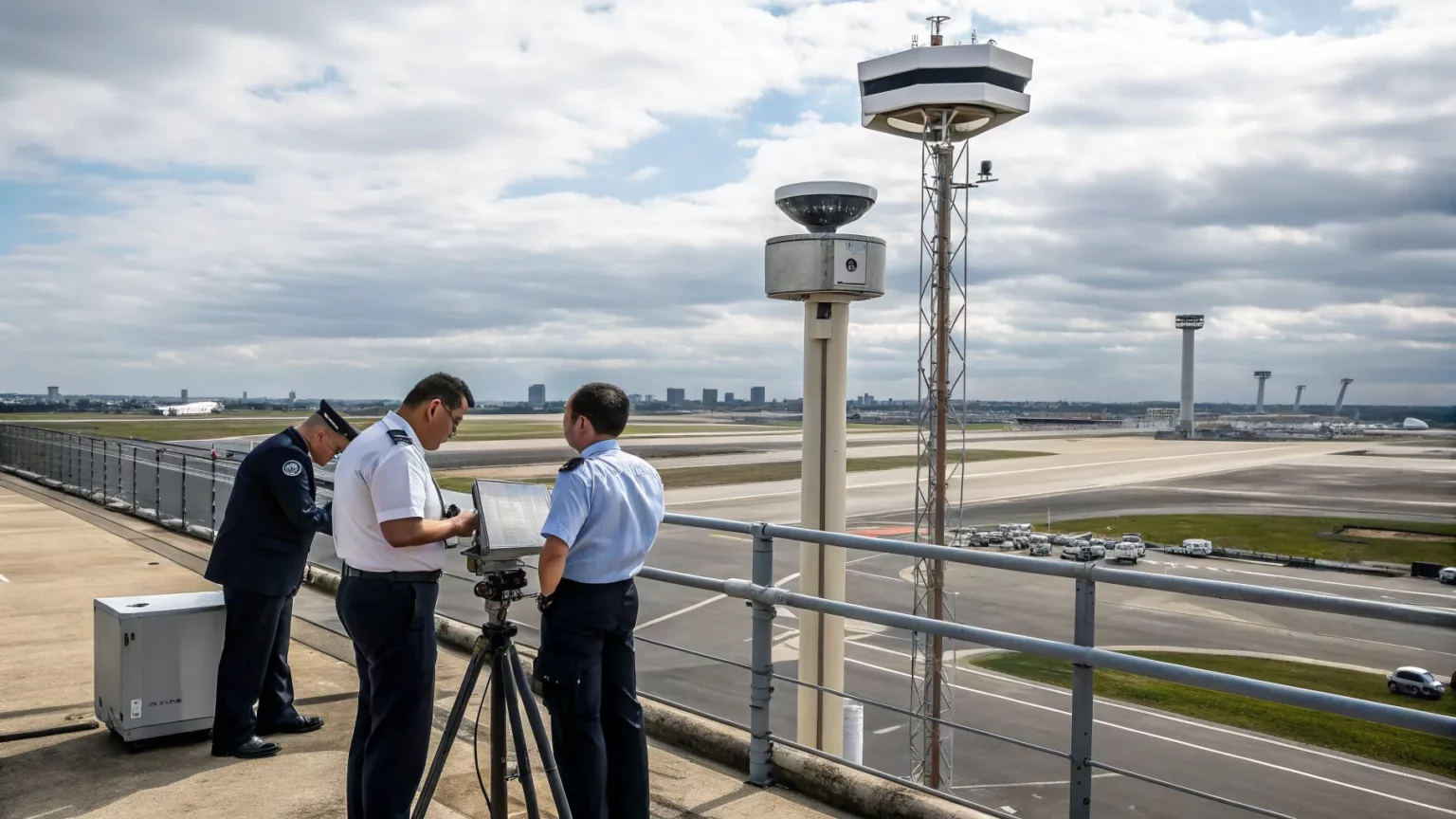
French authorities are investigating possible tampering of a weather sensor at a Paris airport after unusual bets surged on an online site. Officials say the case could link a public safety system to a private gambling windfall, raising concerns for both aviation and betting integrity.
The incident came to light this week in Paris, where investigators are reviewing airport data logs and wagering activity. The focus is on whether a sensor reading was altered to shift reported conditions, while large wagers were placed that depended on those readings. Prosecutors and regulators are working to track digital footprints and financial flows.
What Investigators Say
“The authorities said a Paris airport weather sensor may have been tampered with as large wagers were placed on the betting site.”
Officials have not released the names of the airport or the betting platform. They also have not shared the amount of money involved. The working theory is that someone manipulated, or tried to manipulate, weather data to profit from bets tied to exact conditions such as wind speed, temperature, or precipitation.
Why Weather Data Matters
Airports rely on precise measurements to guide pilots and ground crews. A faulty or altered reading can affect takeoffs, landings, and runway assignments. If wind or visibility is misstated, it can cause delays, diversions, or riskier decisions.
Meteorological systems at major airports often include multiple sensors to cross-check readings. These systems are usually monitored in real time. Alerts can trigger when values shift beyond normal ranges. Investigators will likely review maintenance records, audit trails, and any remote access logs to see if a device was accessed or spoofed.
Betting Markets Tied to Weather
Online platforms have expanded into specialized markets, including outcomes set by public data. Weather-based wagers can be simple—such as whether rain occurs at a set time—or more complex, such as exact measurements. These markets depend on trusted data sources and impartial reporting.
Integrity teams at betting sites monitor unusual spikes, coordinated accounts, or timing patterns. A surge in volume just before a reading changes can flag potential manipulation. If a public sensor was the target, it blends cyber risk with financial crime.
Potential Legal and Regulatory Fallout
If tampering is proven, charges could involve fraud, computer misuse, and interference with critical infrastructure. Regulators may also review how betting platforms verify official data. Airports could face new audits of sensor security and data transmission paths.



- Air safety regulators may call for added physical security on exposed devices.
- Betting regulators could tighten reporting of unusual wagers.
- Airports might add redundancy and independent verification checks.
Experts Weigh the Risks
Cybersecurity specialists point to growing attempts to profit off small data changes that have big market effects. Even minor shifts in temperature or wind speed could flip a bet’s outcome. Security teams stress the need for encryption, tamper-evident seals, and strict access controls on field hardware.
Risk analysts say the case highlights a weak link: public measurements that carry private financial value. When data becomes a target, the systems that collect and share it need the same care as financial networks.
What Comes Next
Investigators will compare sensor readings with nearby stations, radar, and satellite data to check for inconsistencies. They will also analyze betting timestamps against any anomalies in data logs. The results could guide new rules for both airports and gambling platforms.
Airlines and pilots will look for clear answers. They need confidence that runway and weather reports reflect real conditions. Betting firms will seek to reassure users that markets are fair and protected from insider tricks.
The probe’s outcome may set a precedent. If charges are filed, it could mark a tougher stance on interference with public data streams tied to financial gains. If no manipulation is found, regulators may still push for stronger defenses to deter future attempts.
For now, the case spotlights a simple fact: accurate weather data is a public trust. Protecting it will require tighter security at the sensor, smarter monitoring by platforms, and faster cooperation between aviation and gambling overseers.