




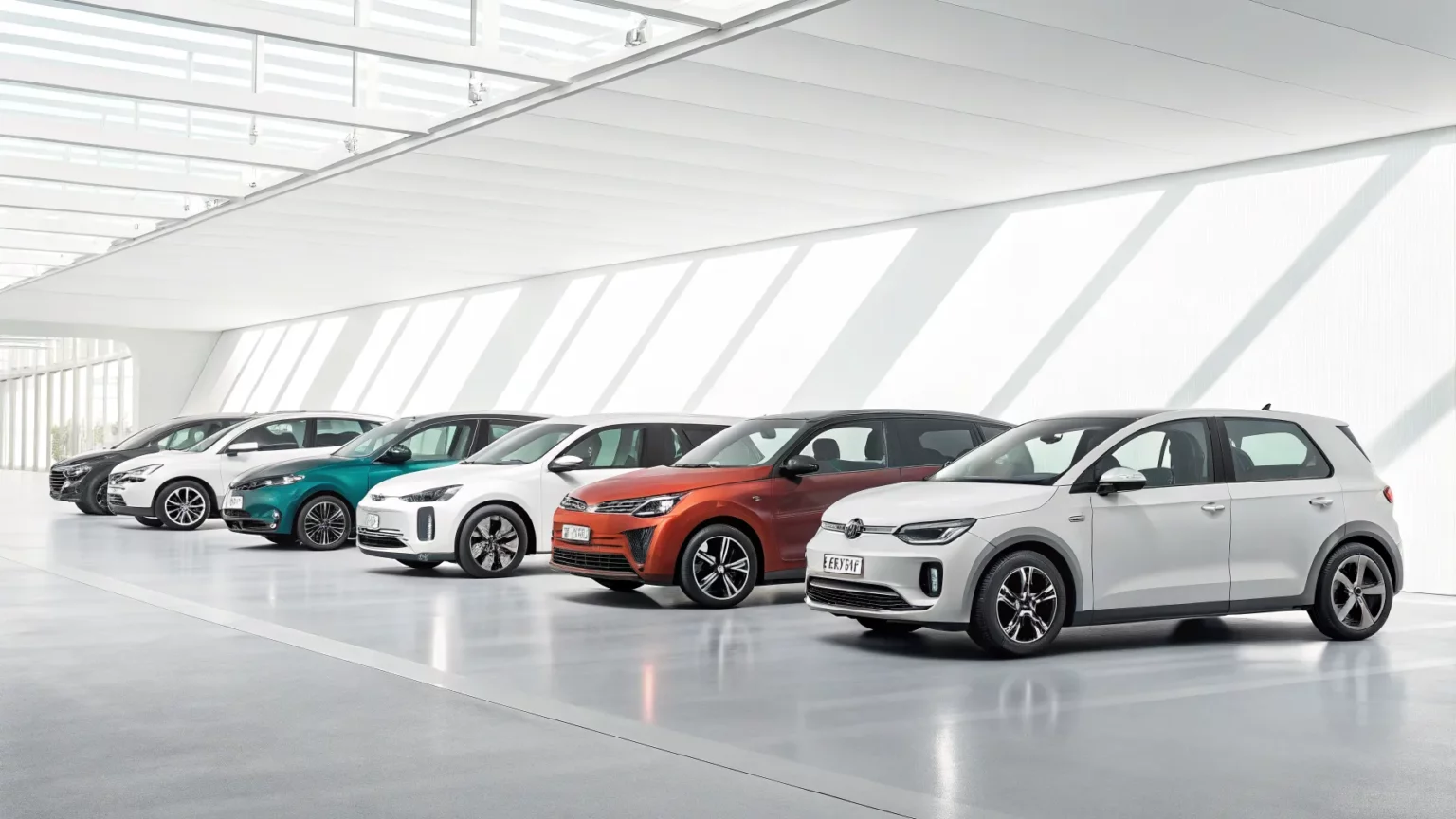
An auto manufacturer plans to launch seven new models in Europe, including a small electric hatchback, signaling a push to stay competitive in a tightening market shaped by regulation and price pressure.
The company said the models will be built in Europe. It did not provide timelines, pricing, or plant locations. The move responds to shifting demand and the need to keep production close to customers as rules on emissions tighten.
Policy and Market Context
European carmakers face strict emissions targets and a planned phaseout of new combustion-only car sales by 2035 in the European Union. This has pushed companies to accelerate electric and hybrid offerings while managing costs.
Battery-electric vehicles gained share across Europe in recent years, helped by incentives and a growing set of models. But demand has been uneven as subsidies change, charging networks develop at different speeds, and household budgets tighten.
Small cars matter in Europe. Urban buyers favor compact hatchbacks for cost and parking. Many shoppers want lower entry prices for electric models, which still tend to cost more than gasoline equivalents.
What the Company Said
“Plans to build seven new models in Europe including a small electric hatchback.”
People familiar with the plans said the lineup aims to cover several price points and body styles to spread risk and reach more customers. Executives described local production as a way to reduce shipping costs, adapt quickly to demand, and qualify for local incentives where available.
The announcement suggests the company is betting that European plants can run at higher capacity with a fresh slate of vehicles. That could support supplier jobs and keep engineering knowledge close to the production line.
Industry Impact and Competition
The small electric hatchback is likely to target urban drivers who want lower ownership costs. Competitors have been racing to release subcompact EVs with a focus on price, range suited for city trips, and simple charging at home or work.



European brands are also facing growing pressure from new entrants offering aggressively priced EVs. To stay in the game, established firms are revisiting component sharing, software platforms, and battery pack standardization to cut costs.
Analysts say a winning entry would balance price, range, and quality. If the automaker can deliver a city car that starts near mainstream budgets, it could gain share from both gasoline models and premium-priced EVs.
Production, Supply, and Labor Questions
Local production raises questions about battery sourcing, energy costs, and labor agreements. European battery plants are expanding, but supply contracts, recycling plans, and material traceability remain key issues for automakers.
Profit margins on small cars are thin. Electric versions add battery costs that are hard to offset without scale. The company will need volume and efficient manufacturing to keep prices in reach and still make money.
Labor talks are also likely as factories set shift patterns and retool lines for new platforms. Training for high-voltage systems and software diagnostics will be central for plant staff and dealer networks.
What to Watch Next
- Model mix and body styles across the seven planned vehicles.
- Where the small electric hatchback will be built and when it will launch.
- Battery partners, range targets, and fast-charging speeds.
- Starting prices and whether the car qualifies for national or local incentives.
- Plant utilization rates and any new hiring or retooling plans.
Outlook
The decision to add seven Europe-built models shows a push to align with policy, cut logistics costs, and address demand for smaller, cleaner cars. Success will depend on pricing, battery supply, and reliable charging access.
If the company executes on time and holds prices low enough to draw city drivers, the electric hatchback could anchor a broader refresh. If costs stay high or charging remains patchy, adoption may slow and margins could tighten.
The next milestones will be detailed specs, plant assignments, and pricing. Those signals will show whether this strategy can win share in a crowded market and meet the needs of buyers looking for affordable, everyday electric transport.