



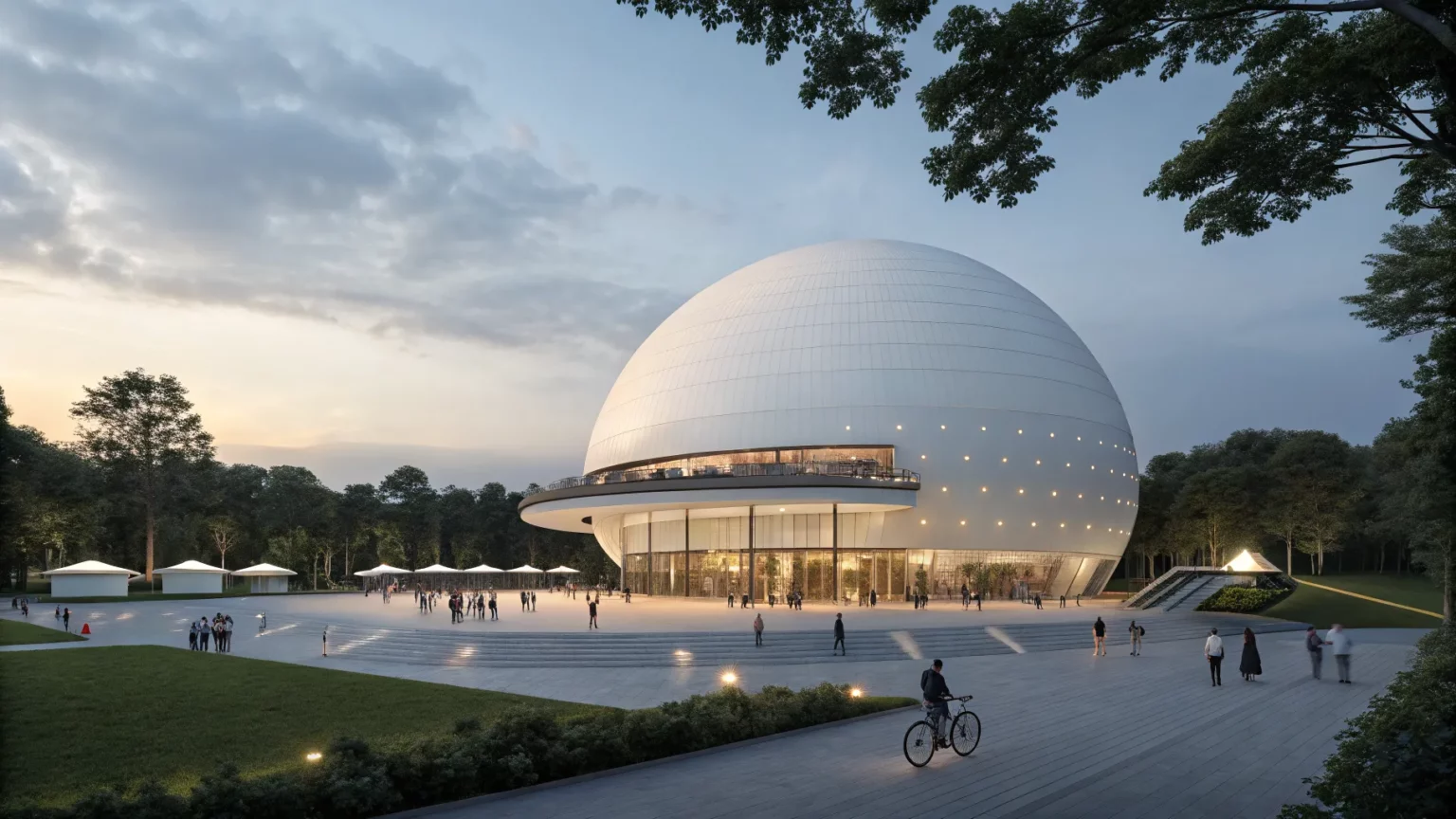
An emirate said it will invest $1.7 billion in the Sphere entertainment venue, signaling a major bet on immersive live events and tourism growth. The funding, announced this week, points to a plan to expand the Sphere model or deepen ties with the Las Vegas landmark, which has drawn global attention since opening in 2023. Officials framed the move as a push to attract large-scale productions and new visitor spending.
“The emirate has announced a $1.7-billion investment in the Sphere entertainment venue.”
The announcement did not detail whether the money targets a new build, an ownership stake, or a partnership for content and technology. But the size of the commitment suggests a long-term play in high-impact attractions that blend live performance with advanced visuals and sound.
Background: What Sphere Represents
Sphere in Las Vegas launched in late 2023 with a concert residency and a custom film, drawing sold-out crowds and wide social media reach. The venue is known for its giant exterior screen and an interior display designed to wrap audiences in panoramic imagery. Its design aims to create a shared, high-fidelity experience that traditional arenas cannot match.
The venue’s reported construction cost ran into the billions, reflecting the price of custom engineering and large-format LED systems. It quickly became a tourist magnet and a showcase for branded visuals. That traction has spurred interest from investors and cities seeking to boost overnight stays and premium event calendars.
Why the Investment Now
Gulf economies continue to diversify by growing culture, sports, and entertainment. A large-scale venue can pull in international acts, film production, and corporate events that fill hotels and airlines. It can also build a media footprint, as Sphere’s exterior has become an advertising stage watched worldwide.
- Tourism agencies want year-round anchors beyond seasonal events.
- Global acts seek venues that deliver high production value.
- Sponsors look for iconic canvases with measurable reach.
Analysts say a $1.7 billion outlay could fund a new venue, a strategic partnership for content pipelines, or upgrades that tailor the format for regional audiences. Any route would aim to secure programming that runs for months, raising occupancy rates and visitor spending.
Industry View: Promise and Risk
Supporters see Sphere-style venues as a draw for premium experiences where ticket buyers pay more for spectacle. That could lift margins for select tours and create exclusive shows built for the format. They also point to the spillover effect on nearby hotels, dining, and retail.
Skeptics warn of high fixed costs and the need for a steady slate of must-see content. Programming must refresh often to keep locals and repeat visitors engaged. There are also technical demands: custom visuals, spatial audio, and complex staging can raise production budgets and timelines.


One entertainment consultant said the investment signals confidence that demand for large-scale, immersive shows will hold. Another industry watcher cautioned that returns depend on programming discipline and careful cost control.
What Could Come Next
The funding could lead to one or more outcomes:
- A new Sphere-style venue adapted to local climate and regulations.
- A capital stake in existing operations to share revenue from shows and brand deals.
- Joint ventures for original films, concerts, and sports-adjacent events tailored to the format.
Cities competing for tourism may seek similar deals, especially where aviation links and hotel capacity can support high visitor volumes. For producers, a wider network of compatible venues could justify investing in content that tours within the format, lowering per-show costs over time.
Signals to Watch
Key indicators in the months ahead will include site selection, permitting, and early programming announcements. Technical partnerships for content tools and production pipelines would suggest a path to steady schedules. Any commitments from top-tier artists or major event organizers would further validate the model.
The size of the investment also raises questions about governance and revenue sharing. Clear terms on ticketing, sponsorship, and media rights will shape the payback timeline and investor appetite for follow-on funding.
The $1.7 billion pledge marks a bold move into high-impact entertainment infrastructure. If planners secure a strong slate of shows and control costs, the project could become a regional anchor for tourism and live events. If not, the pressure to fill seats and screens will be intense. For now, the signal is clear: immersive venues are moving from spectacle to strategy, and others may follow.