




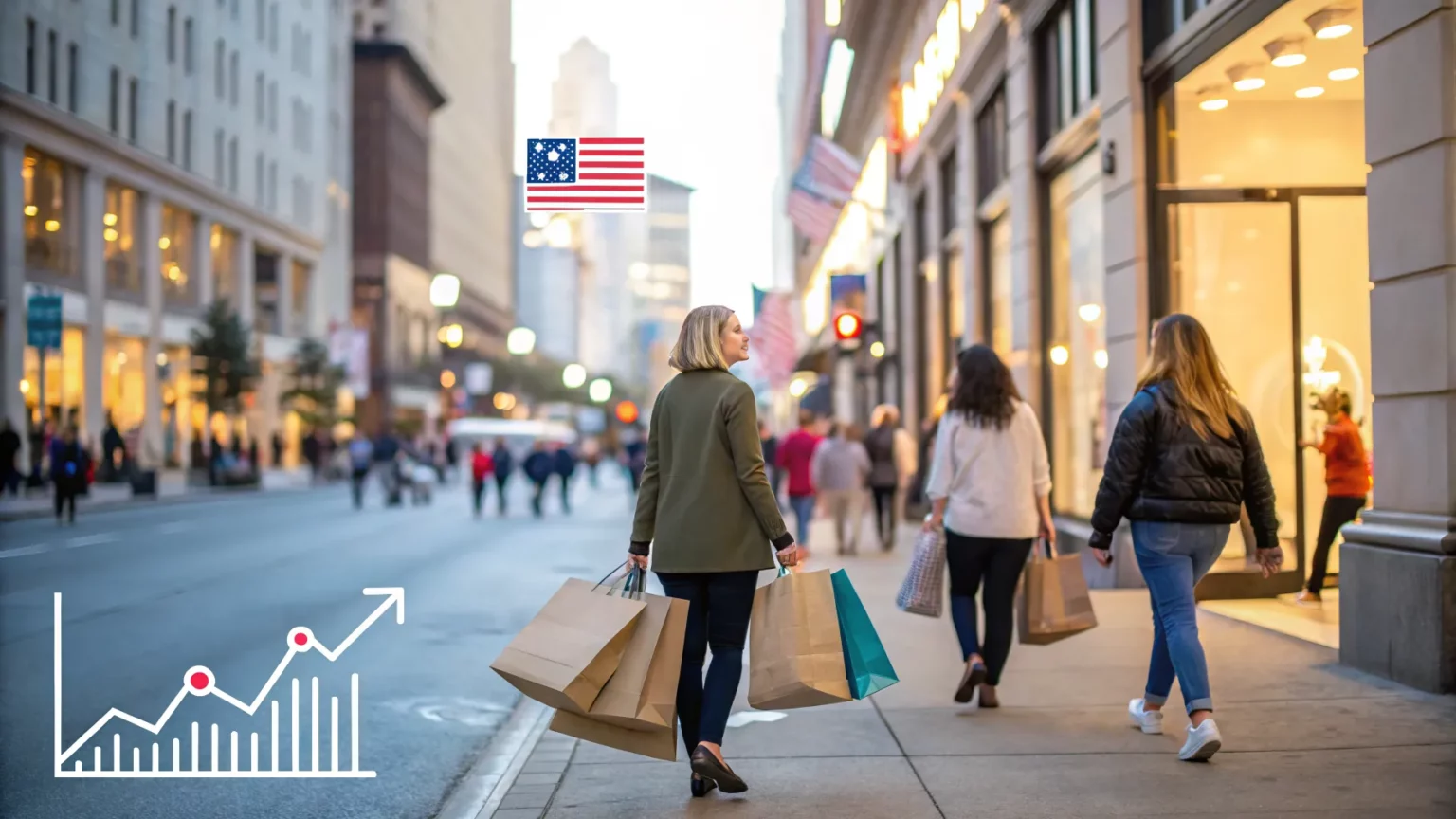
As price pressures ease and borrowing costs stay high, one force still guides the U.S. outlook: everyday purchases by households. Consumer spending makes up about two-thirds of economic output, shaping growth, hiring, and inflation in 2024.
From groceries to travel, what Americans buy and when they buy it can tip the economy. The stakes are clear as policymakers weigh interest rates and businesses plan for demand. The health of the consumer will set the pace for the months ahead.
Why It Matters
Personal consumption expenditures account for roughly 67% of U.S. gross domestic product, according to the Bureau of Economic Analysis. That share has held near the same level for years, even through the pandemic’s shocks.
“Consumer spending is so important because it drives two-thirds of the American economy.”
When households pull back, retailers, manufacturers, and service providers feel it quickly. When they spend more, growth often follows. That link is why markets react strongly to retail sales, card transaction data, and confidence surveys.
Reading The Signals From Households
Recent data have sent mixed messages. Job growth has cooled from last year’s pace, but unemployment remains low by historical standards. Wage gains have slowed yet continue to run above inflation in many sectors, giving families a little more breathing room.
Inflation has moderated from its 2022 peak, easing pressure on budgets. Still, prices for essentials such as rent and insurance remain elevated, which can crowd out discretionary purchases.
Credit conditions are tighter than a year ago. The Federal Reserve’s policy rate has stayed at a two-decade high, keeping credit card and auto loan rates elevated. Delinquency rates on some consumer loans have risen from unusually low pandemic levels, a sign of stress for lower-income borrowers.
- Retail sales have been uneven month to month.
- Savings rates are below long-run norms after the drawdown of pandemic buffers.
- Travel and dining remain resilient in many regions.
Impact On Business And Policy
Companies are adjusting to a more selective shopper. Big-box stores have highlighted weakness in discretionary categories, while discount retailers report strong traffic. Travel firms and hospitality chains note steady demand, but bookings are more price-sensitive.



These shifts shape pricing power and hiring. If households trade down, margins could narrow in premium segments while value lines expand. Employers may slow new hires but hold on to workers if they expect demand to stabilize.
For the Federal Reserve, consumer momentum is central. Strong spending can keep growth firm but also risks sticking inflation if demand runs too hot. Softer spending may help inflation cool, but too sharp a drop could threaten jobs. The balance will guide rate decisions in the second half of the year.
Who Feels It Most
Spending patterns differ across income groups. Higher-income households, with more savings and assets, tend to keep travel and services spending steady. Lower-income families feel price increases more acutely and are quicker to cut non-essentials.
Regional dynamics also matter. Areas with fast job creation, energy production, or strong tourism often see firmer spending. Cities with high housing costs can face a squeeze on budgets, limiting retail strength.
What To Watch Next
Several markers will clarify the path ahead. Monthly retail sales, consumer confidence, and card spending trackers will show whether households are pulling back or holding steady. Inflation readings will reveal how much relief is reaching store shelves.
Analysts will also track savings and credit use. A rising savings rate could signal caution but also build future firepower. Increasing card balances and late payments may point to strain that could curb demand.
Consumer spending remains the engine of the U.S. economy, but its pace is set by jobs, prices, and credit. If wage growth outpaces inflation and rates ease later this year, demand could stabilize at a sustainable clip. If price pressures persist or borrowing costs stay high for longer, households may grow more cautious. Either way, the next few reports on spending will help define the economic story for the rest of the year.