



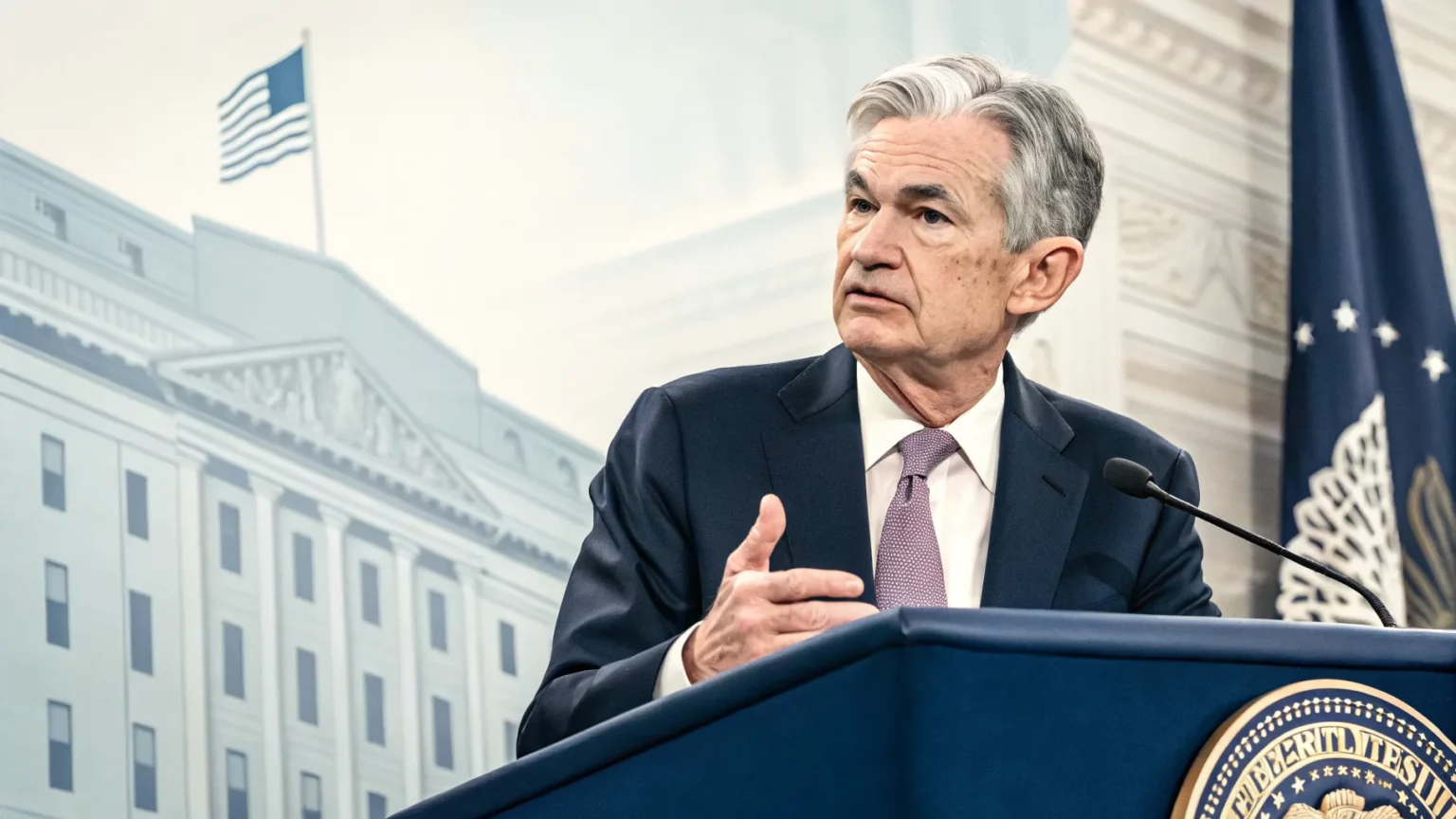
Federal Reserve Chair Jerome Powell warned that political pressure from the White House could erode public confidence in the central bank, a rare public caution on the boundary between policy and politics. His comments speak to the core question of how the Fed maintains independence while guiding interest rates and inflation in a charged election season.
Powell’s Message on Independence
“White House pressure on the Fed will damage public trust in the U.S. central bank.” — Jerome Powell
Powell’s warning centers on a basic idea: the Fed works best when it can set policy without political interference. The central bank’s credibility underpins its ability to steer inflation and jobs through its rate decisions. If people believe decisions are political, inflation expectations can shift and make the Fed’s job harder.
Why Fed Independence Matters
For decades, the Fed has operated at arm’s length from the White House and Congress. Lawmakers set the goals—maximum employment and stable prices—while the Fed chooses the tools. That split is designed to prevent short-term political aims from driving rate moves that could harm the economy later.
History offers cautionary tales. President Lyndon Johnson pressured Fed Chair William McChesney Martin in the 1960s. President Richard Nixon leaned on Chair Arthur Burns in the early 1970s, a period followed by high inflation. Later, Chair Paul Volcker’s tough stance curbed inflation but only because the Fed could act despite political costs.
Current Economic Backdrop
Inflation surged after the pandemic as supply chains snarled and demand rebounded. The Fed raised rates quickly beginning in 2022 to cool price growth. The aim has been to lower inflation without causing a deep recession. That path depends on public belief that the Fed will do what is needed, even if it is unpopular.
Credibility plays a practical role. If households and businesses trust the Fed to contain inflation, wage and price setting can stabilize. If they doubt it, price pressures can last. Powell’s statement ties that trust directly to avoiding political sway.
Political Pressure and Public Trust
Presidents often speak about jobs and borrowing costs. Past administrations of both parties have urged the Fed to cut or hold rates. Markets listen closely when such comments arrive near policy meetings. Even the appearance of influence can move bond yields and stocks, tightening or easing financial conditions before the Fed acts.
Supporters of public pressure say elected leaders should voice concerns because rate policy affects paychecks and mortgages. Critics argue that loud pressure risks short-term thinking and mixed signals. They say it can blur accountability if outcomes turn negative.



What Economists Are Watching
Analysts say the next tests are simple. The Fed must communicate clearly, act on data, and ignore political heat. Financial markets will judge the central bank’s independence by how it votes and by how consistent its message stays.
- Clarity in speeches and forecasts can anchor expectations.
- Split votes may signal debate but also healthy dissent.
- Any hint of political timing could unsettle investors.
Market and Policy Implications
Loss of trust would raise the cost of fighting inflation. Long-term interest rates could rise if investors demand a premium for policy risk. That would hit mortgages, business loans, and federal borrowing. It could also force the Fed to do more later to show resolve, raising the risk of a sharper slowdown.
On the other hand, a firm stance against pressure can strengthen credibility. When the Fed resists political demands and sticks to its goals, it can guide inflation with smaller moves and steadier markets.
Powell’s warning puts independence back at the center of the policy debate. The next few months will test whether political commentary stays on the sidelines and whether the Fed can keep the public focused on its mandate, not on the noise. Watch for careful Fed communication, data-driven rate decisions, and any response from the White House. The stakes are clear: trust in the central bank, and the path of inflation, depend on it.