


Health officials report a fast-rising death toll from an Ebola outbreak, warning that suspected fatalities have topped 220 since the first cases were detected. The figure signals an urgent public health challenge and has triggered emergency responses from national and international teams. The focus is on slowing transmission, scaling up care, and protecting frontline workers.
What Officials Are Saying
“There have been more than 220 suspected deaths since the start of the Ebola outbreak.”
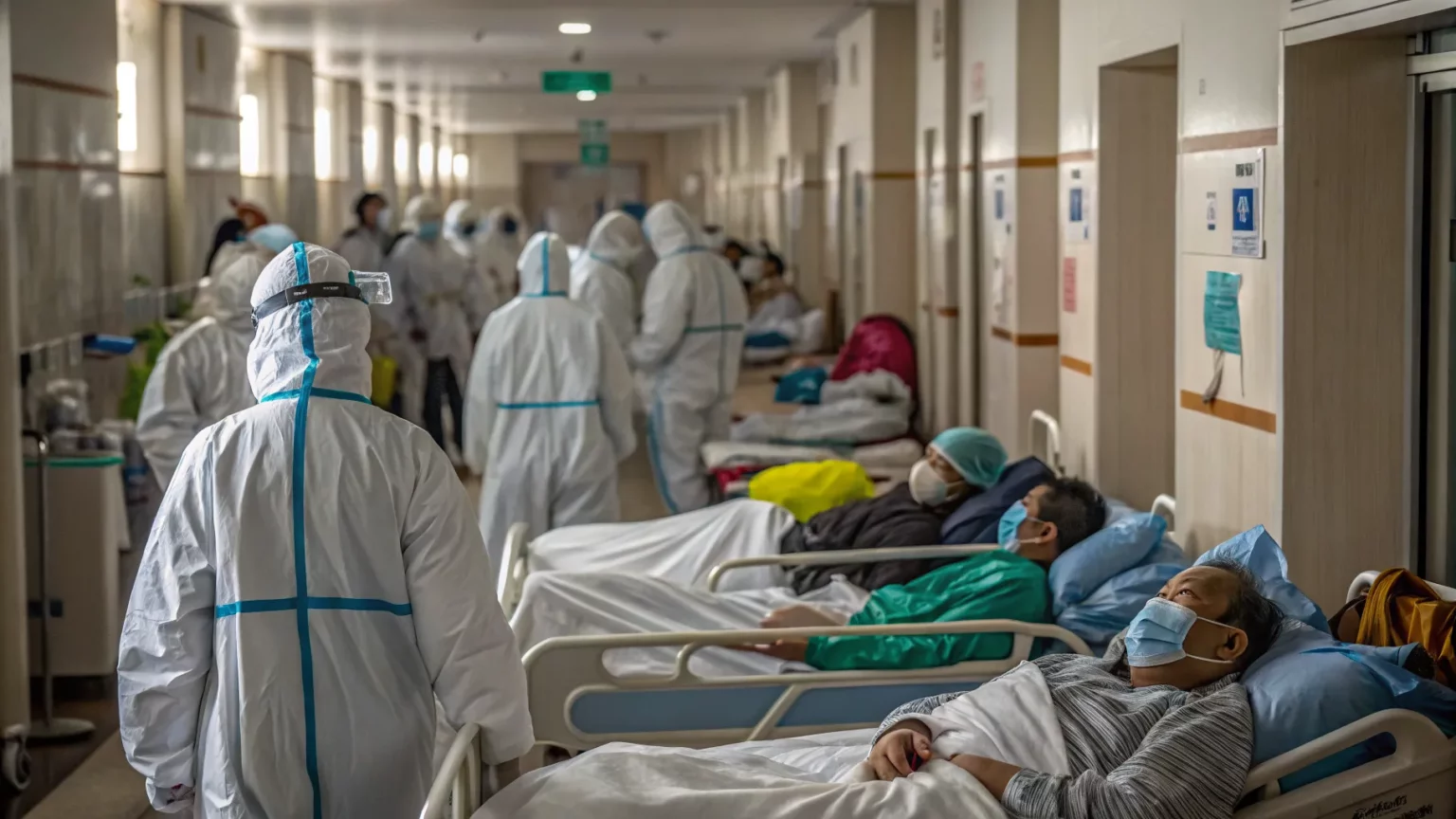
Authorities say the number reflects suspected rather than confirmed cases, which often lag because lab testing takes time. Surveillance teams are tracing contacts and setting up isolation units. Hospitals are expanding triage areas to separate patients with fever and bleeding from other wards.
Background: How Ebola Spreads and Kills
Ebola is a viral hemorrhagic fever spread through direct contact with blood or other body fluids. It is not airborne. The incubation period is usually 2 to 21 days. People are infectious only after symptoms begin.
Past outbreaks show wide fatality rates, from about 25% to 90%, depending on speed of detection and the quality of care. The largest recorded outbreak, in West Africa from 2014 to 2016, caused more than 11,000 deaths, according to the World Health Organization. That crisis reshaped outbreak protocols, leading to faster lab networks and better protective gear.
Containment Measures Underway
Response teams are relying on proven tools. These include contact tracing, safe burials, and rapid testing. Isolation wards are being set up near affected communities to shorten delays in care.
- Ring vaccination can protect contacts and contacts of contacts when supplies are available.
- Community engagement reduces fear and encourages early treatment.
- Clear messaging helps families recognize symptoms and seek help.
Supportive care—fluids, electrolytes, and treatment of secondary infections—raises survival odds. Experimental therapeutics and licensed vaccines have been used in recent outbreaks. Health agencies often deploy mobile labs to speed diagnosis and reduce transport risks.
Data Gaps and Why They Matter
The reported figure of more than 220 suspected deaths suggests a larger pool of suspected and probable cases. Confirmed counts may rise as testing accelerates. Underreporting can occur when patients avoid clinics or when remote areas lack transport. Delays in results can obscure trends and hide clusters.
Epidemiologists track the reproduction number to judge whether transmission is rising or falling. If it stays above one, cases tend to grow. Rapid isolation and vaccination rings can push it lower. Accurate, daily reporting helps target teams and supplies.



Community Impact and Health Worker Safety
Families face grief and financial strain when caregivers get sick. Schools and markets may restrict activity if local leaders fear spread. Safe burial practices are essential but can clash with tradition. Many regions now work with faith leaders to adapt rituals while protecting mourners.
Frontline staff carry high risk. Strict use of protective gear and monitored donning and doffing reduce infections. Training and steady supply chains are as important as the gear itself. Psychological support for responders helps sustain long operations.
What To Watch Next
Key signals in the days ahead include the speed of lab confirmations, the number of new contacts identified per case, and how quickly isolation units fill. Vaccine availability and cold-chain logistics will shape any ring vaccination strategy. Cross-border coordination can prevent spread if cases move along trade routes.
Experts say sustained community trust will decide the outcome. When people report symptoms early and accept safe care, transmission falls. If fear drives patients away, the death toll can climb. The latest figure of more than 220 suspected deaths highlights the need for rapid, steady work across clinics, labs, and communities.
The response is entering a decisive period. Faster testing, strong infection control, and clear local outreach can change the curve. Officials urge vigilance, but they also point to past outbreaks where these steps turned surges into declines. Continued support and transparent reporting will be the measures to watch.