




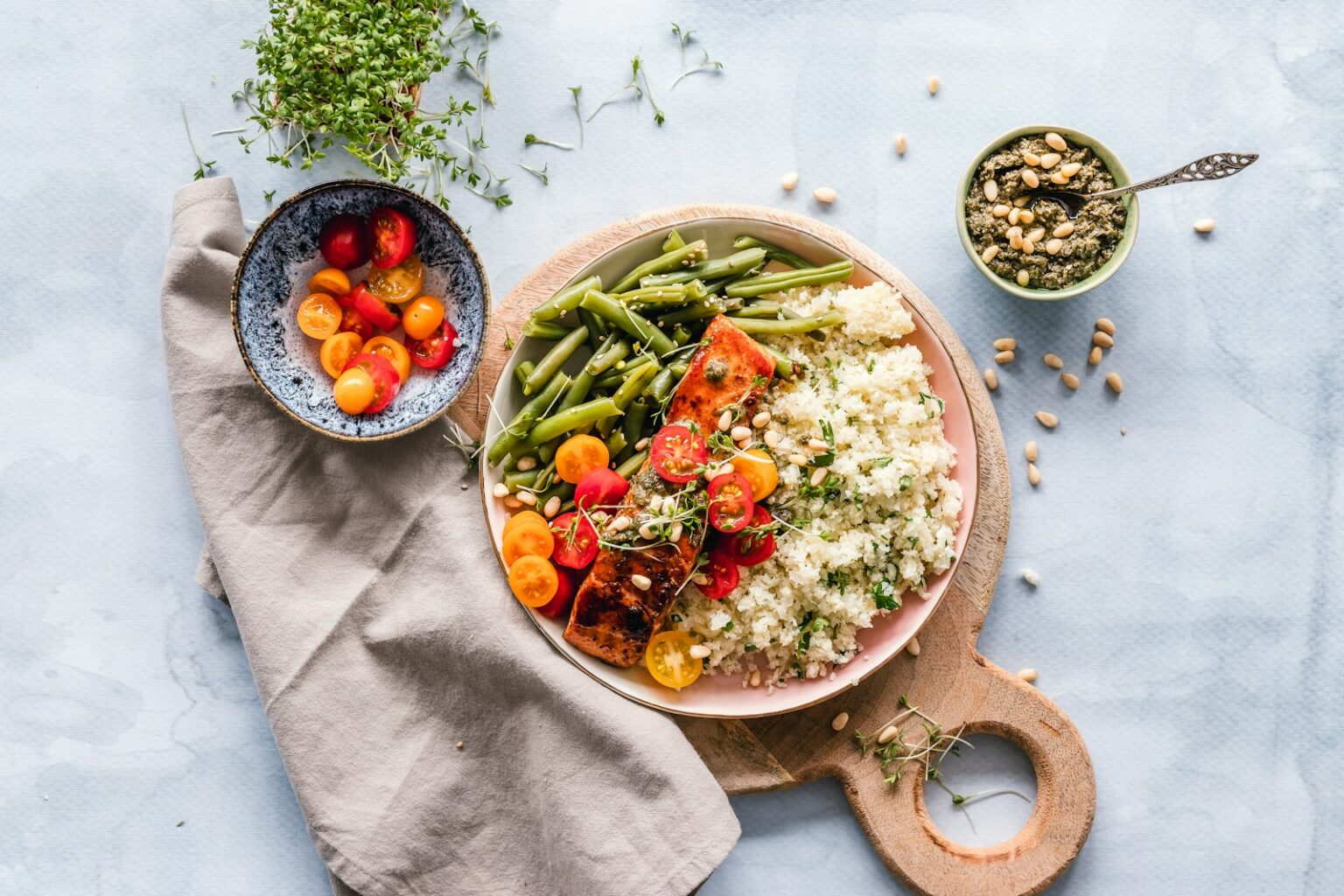
Getting the right food into the house, cooking it, and doing it again tomorrow is the harder part. That is where the debate between meal kits and grocery shopping gets interesting. Both can support a better diet. Both can also lead to extra spending, food waste, or meals that do not align with your goals. The better choice is not always the one that looks “healthiest” on paper. It is the one that helps you eat balanced meals more often, with less stress and fewer abandoned ingredients in the fridge.
The Case for Meal Kits: Structure Makes Healthy Eating Easier
For many people, the hardest part of eating well is not knowing what a balanced meal looks like. It is scheduled for 5:30 p.m. after a long day.
That is where healthy meal kits can be useful. They cut down on decision fatigue by giving you a plan, ingredients, and a clear path to dinner. Instead of wandering the store hoping inspiration strikes, you start with a meal that is already built around a recipe.
Portions are easier to manage because ingredients are usually measured based on the number of servings ordered, which helps reduce overeating and limit food waste.
They may also help people cook at home more often. That matters since home cooking gives you more control over ingredients than takeout or restaurant meals. You can see what goes into the pan, adjust salt or sauce, and build meals around foods you actually enjoy.
The downside is flexibility. Some meal kits may not fit every budget, appetite, allergy, or cultural food preference. A recipe can look great online and still miss the mark once it reaches the plate. There is also packaging to consider, since pre-portioned ingredients often come with more wrapping than a standard grocery run.
Meal kits work best for people who want support, not guesswork. They are a strong option for busy professionals, couples, small households, and anyone trying to build a cooking routine without having to start from scratch every night.
The Case for Grocery Shopping: More Control, More Responsibility
Grocery shopping gives you the most control over your diet. You choose every apple, grain, spice, and protein. You can compare labels, shop sales, buy in bulk, and build meals around your budget.



It also takes more effort.
A grocery cart can support almost any eating style. Want more fiber? Add beans, oats, berries, and whole grains. Trying to cut back on added sugar? Read labels and swap sweetened drinks for water or unsweetened options. Need meals for a family with different tastes? Buy flexible basics like eggs, rice, salad greens, chicken, tofu, pasta, and frozen vegetables.
Federal dietary guidance focuses on nutrient-dense foods (like vegetables, whole grains, and lean proteins) while limiting added sugars, saturated fat, and sodium.
The challenge is that the store offers too many choices. A person may walk in for salmon and salad, then leave with snacks and frozen pizza, with no plan for Wednesday. Grocery shopping also shifts all the work to the shopper: meal planning, list making, label reading, portioning, prep, and cleanup.
Cost can go either way. Grocery shopping is often cheaper per serving, especially for families or people who use leftovers well. Yet wasted food can erase those savings. A bag of spinach that spoils unopened is not a bargain. Neither is a fridge full of ingredients that never become dinner.
Grocery shopping works best for people who like cooking, know their staple meals, and have the time to plan. It is also a better fit for larger households, strict budgets, and people who want full control over ingredients.
Which One Is Better for Your Diet?
The honest answer is that the better choice depends on your habits.
If a meal kit helps you eat vegetables three nights a week instead of ordering takeout, it may be better for your diet. If grocery shopping helps you cook simple, balanced meals at a lower cost, that may be the better choice.
The real test is consistency. A healthy eating pattern is built over time, not from one perfect meal. The Dietary Guidelines for Americans encourage people to follow a healthy dietary pattern at every life stage and to customize food choices around personal preferences, culture, and budget. That means the “best” option should fit real life, not an ideal version of it.
Can you plan meals without getting overwhelmed?
Do you use most of the groceries you buy?
Are you cooking at home more often than relying on last-minute takeout?
Do your meals include vegetables, protein, fiber-rich carbs, and satisfying flavors?
Can you keep the routine going next week?
Meal kits score well on convenience, variety, and structure. Grocery shopping scores well on control, price flexibility, and customization. For many households, the strongest diet strategy is a mix of both.
A person might use meal kits for the busiest nights, then shop for breakfasts, lunches, snacks, and simple weekend meals. That balance can reduce stress while keeping costs in check. It can also make healthy eating feel less like a project and more like a normal part of the week.
There is another factor that matters: enjoyment. A meal plan that feels boring will not last. A grocery list that feels too strict will fall apart. Food should support health, but it also needs to taste good and fit into daily life.
The Better Choice Is the One You Will Keep Using
Healthy eating does not require choosing one system forever. It requires a repeatable way to get nourishing food on the table.
Meal kits make better eating easier by removing planning and prep, while grocery shopping supports a strong diet by giving full control over ingredients and cost.
The smartest choice is the one that helps you cook more often, waste less food, and build meals you actually want to eat. For some people, that means healthy meal kits during the workweek. For others, it means a well-planned grocery cart and a few reliable recipes.
A better diet starts with a simple question: which option makes the healthy choice easier on an ordinary day?
Photo by Ella Olsson: Unsplash