



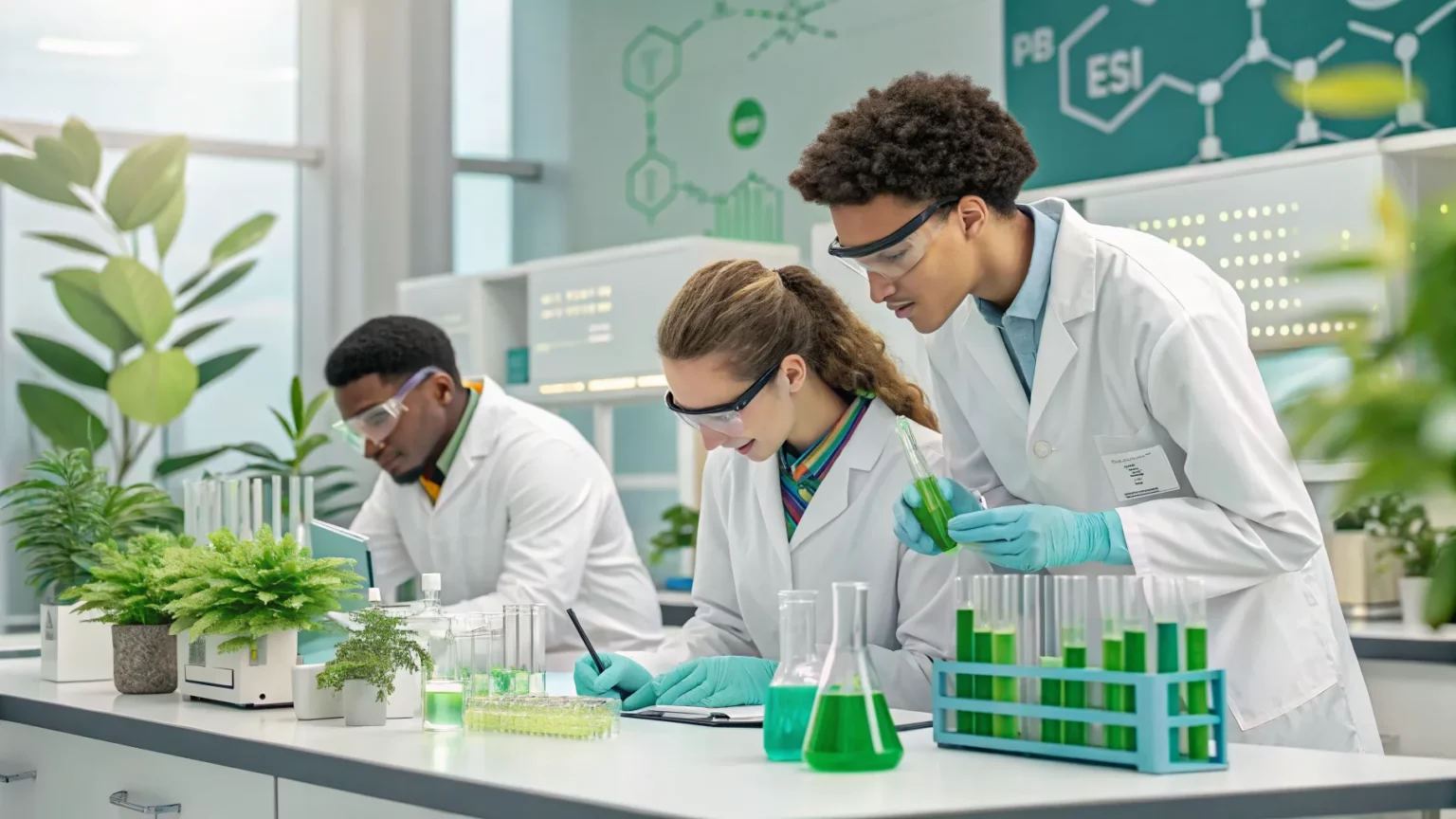
A new effort is giving early-career scientists practical help as they try to clean up the lab. The kickSTART project is training and supporting young researchers who are building green chemistry initiatives. Organizers say the effort aims to speed safer chemicals and more efficient processes in research groups and startups.
“Young researchers receive training and support for their green chemistry initiatives via the kickSTART project.”
The program’s timing matters. Companies and universities face growing pressure to cut hazardous waste, lower energy use, and swap in safer reagents. Young scientists often bring fresh ideas, but many lack access to mentors, tools, and structured guidance. This initiative tries to close that gap by offering hands-on direction and a pathway from idea to practice.
Why Green Chemistry Is Gaining Ground
Green chemistry focuses on designing products and processes that reduce or avoid harmful substances. It pushes labs to use fewer toxic materials, create less waste, and choose methods that save water and energy. In recent years, interest has risen as regulators tighten rules and buyers demand cleaner supply chains.
Research groups have already shown that changes such as solvent swaps, better catalysts, and shorter reaction routes can save money while cutting risk. Students entering the field want to apply these ideas from day one. But they often need help to test approaches, measure impacts, and win support inside their institutions.
What kickSTART Brings to Early-Career Scientists
The project is pitched at people at the start of their research careers who want to put greener methods to work. It promises training paired with direct support for projects, helping ideas move from slides to lab benches. That practical focus can shorten the time between learning a concept and proving it in real settings.
While details vary across similar initiatives, early-career programs commonly provide:
- Workshops on safer process design and measurement of impacts.
- Guidance on replacing hazardous reagents and reducing waste streams.
- Peer networks for sharing results and troubleshooting.
The goal is not only to teach principles but to build habits that last beyond a single experiment. By backing projects led by young researchers, the program also builds a pipeline of practitioners who can carry improvements into industry and academia.
Balancing Ambition With Real-World Constraints
Changing lab routines is hard. Safety rules, procurement limits, and tight budgets can slow adoption, even when the science looks solid. Early-career researchers may feel pressure to publish quickly, which can make them cautious about changing methods midstream. Training that includes planning, risk checks, and cost analysis can help ease those concerns.

Support also matters for equity. Access to greener methods should not depend on a lab’s size or a researcher’s network. A structured program can spread know-how across institutions, including those with fewer resources.
Industry Interest and Academic Impact
Companies are watching for practical wins they can scale. If young researchers show that a solvent change or new catalyst cuts costs and hazards without hurting yields, adoption can spread. For universities, projects like this can guide lab courses and thesis work toward safer practices, setting norms for the next wave of scientists.
There is also a signaling effect. When early-career researchers gain support for greener methods, it shows that institutions value safety, efficiency, and long-term risk reduction. That can influence hiring, funding choices, and partnerships across departments.
What To Watch Next
The key tests will be results and repeatability. Can the projects document lower waste, reduced toxicity, or measurable energy savings? Will other groups be able to copy the methods and get similar outcomes? Clear reporting and open sharing of lessons will help answer those questions.
As the kickSTART effort moves ahead, attention will focus on case studies that show real change at the bench. Success there could ripple outward, shaping procurement lists, standard operating procedures, and grant priorities. If young researchers can show safer processes that also save time and money, that could speed wider adoption.
The promise is straightforward: give early-career scientists the tools and support they need, and they will build cleaner chemistry from the ground up. The kickSTART project sets that challenge in motion and puts new talent at the center of the work.