



Roku Inc. is exploring a sale of the company, according to people with knowledge of the talks, a move that could reshape the streaming TV market and connected devices space. The streaming platform known for its operating system and low-cost players is in discussions with potential buyers, these people said, as executives weigh options to boost growth and stabilize the business.
“Roku Inc., the streaming video platform, is in talks to sell itself, people with knowledge of the matter said.”
The company has not announced a deal or a timeline. The talks could change or end without an agreement. Still, the interest signals renewed consolidation pressure across streaming and digital advertising.
What a Sale Could Mean for Streaming TV
A sale of Roku would be a major shift in the streaming TV market. Roku’s platform sits between viewers, TV makers, and streaming services. It guides what people watch and which ads they see. Any buyer would gain direct access to connected TV viewers and a strong ad tech stack tied to living room screens.
Roku’s operating system is built into many smart TVs and is a default choice for cord-cutters. A new owner could combine this reach with content, devices, or data assets. That could change how apps get promoted, how ad slots are priced, and which services gain visibility on home screens.
Why Roku Might Seek a Buyer
Roku has faced sharp swings in digital ad demand. Marketers cut budgets during slowdowns, which has weighed on platform revenue. Hardware is a low-margin business. The long-term bet rests on ads, distribution fees, and channel subscriptions.
The company also competes with tech giants that bundle streaming, devices, and app stores. Scale now drives ad pricing power and bargaining strength with content apps. A sale could bring deeper pockets for product investment, international growth, and data tools for advertisers.
Investors have pressed streaming firms to prove durable cash flow. A deal might offer a new path to reduce costs and fund growth, while easing public market pressure.
Who Could Be Interested
Several types of buyers could see value in Roku’s reach and software:



- Large technology companies seeking more living room distribution
- Consumer electronics makers that build or license smart TV systems
- Media companies that want stronger control over streaming access and ad inventory
- Private equity firms that see opportunity to streamline costs and expand margins
Each group would approach the asset differently. A tech buyer might pair Roku with cloud, search, or commerce. A media firm could integrate promotion, subscriptions, and targeted ads. A hardware player might deepen TV partnerships. Private equity could focus on profitability and operational changes.
Regulatory and Deal Hurdles
Any sale would face review from U.S. regulators. Concerns would likely focus on advertising data, platform favoritism, and effects on rival streaming apps. If a major platform or top content owner bids, antitrust scrutiny could intensify.
Roku’s role as a gatekeeper raises questions about fair access for smaller services. Buyers would need to address data safeguards and open distribution policies to ease approval.
Roku’s Position in a Crowded Market
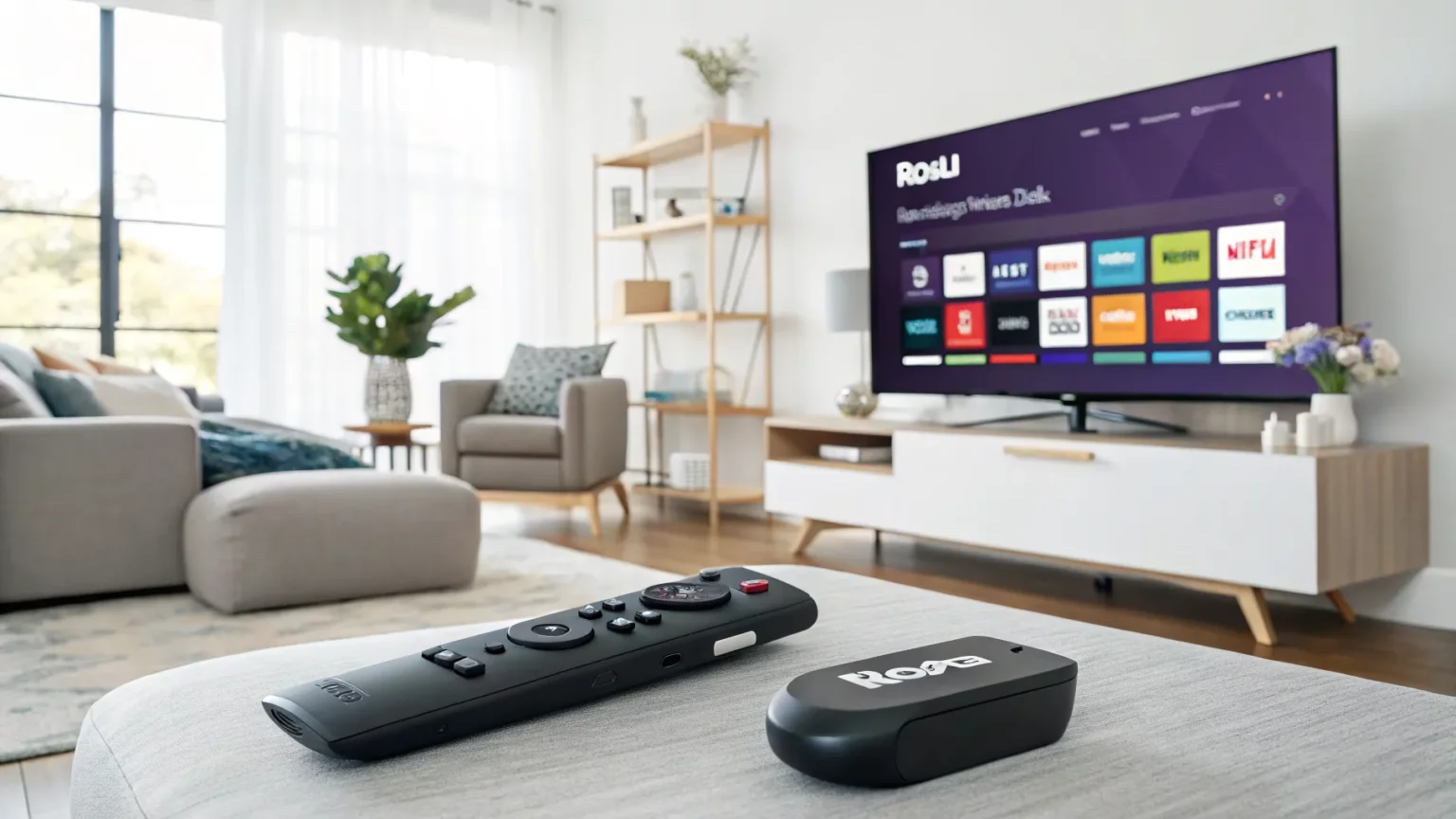
Roku has built a strong presence in connected TV through its operating system and app marketplace. It earns revenue from ads sold across free channels and from fees tied to subscriptions and video rentals. The Roku Channel carries free, ad-supported shows and films, helping the company sell more targeted ads.
The firm also licenses its software to TV makers, expanding reach without heavy hardware costs. That strategy helped Roku spread across living rooms while keeping devices inexpensive and simple to use.
Market Context and Outlook
Streaming services are pushing ad-supported tiers to reach price-sensitive viewers. That shift benefits platforms that can offer precise targeting at scale. At the same time, content costs and subscriber churn pressure providers to find cheaper ways to grow. Platforms like Roku can influence which services gain traction, granting leverage in negotiations.
Analysts expect more deal-making as companies chase better margins and broader distribution. A buyer with strong cash flow could accelerate Roku’s plans and blunt competition from rivals in devices and smart TV software.
The talks are ongoing. If a sale materializes, it would mark one of the most consequential moves yet in connected TV. If no deal emerges, attention will turn to Roku’s next steps to cut costs, deepen ad tools, and expand abroad.
For viewers and advertisers, the stakes are high. The owner of Roku will help shape what appears on home screens, how ads are targeted, and which services win precious space. Watch for signals on potential bidders, regulatory posture, and whether Roku pursues a standalone strategy if talks stall.