




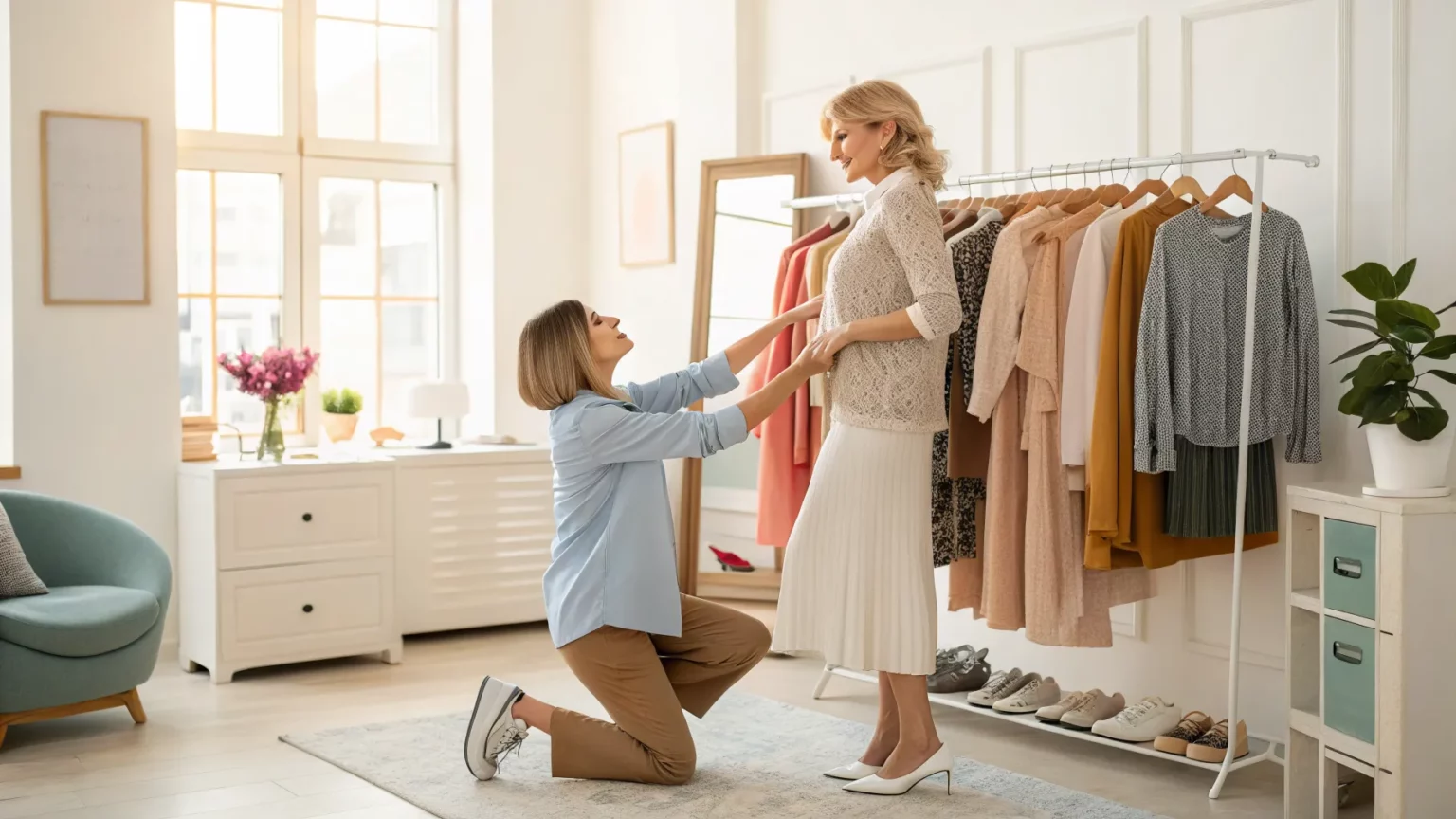
More shoppers are turning to professional stylists to simplify closets, plan outfits, and save time, reflecting a shift in how people manage their wardrobes and budgets. In recent months, style consultations and closet edits have moved from celebrity circles into mainstream use, fueled by social media advice, return-to-office routines, and a push to reduce waste. Clients say the appeal is practical: fewer bad purchases and more confidence at work and home.
“Paying a professional stylist to help me learn how to dress, make outfits, and organize my closet was worth it. Here are the best tips I learned.”
Why Personal Styling Is Growing
Personal styling once meant a luxury service. Today, a range of hourly and package options make it more accessible. Retailers offer in-store advice at no or low cost. Independent stylists work virtually and in person. Many clients are navigating new dress codes, hybrid offices, and rising prices. They want clear rules and fewer choices.
Consultations often begin with a lifestyle review, then a closet sort. The goal is to build outfits from what the client already owns and identify gaps. The approach prioritizes fit, color, and repeatable formulas. While the exact tips vary by person, sessions tend to end with a short plan for shopping and maintenance.
Inside a Modern Styling Session
Stylists say the work is part coaching, part editing. They create outfit combinations, photograph looks, and label items by occasion. Some recommend small tailoring changes to extend the life of a jacket or pants. Many clients prefer a “capsule” plan so dressing each morning takes less time.
- Closet audit and remove items that no longer fit the client’s goals.
- Create mix-and-match outfits and take photos for a lookbook.
- List a few targeted purchases to fill gaps.
Virtual tools have expanded access. Video calls help clients in smaller markets. Shared folders store lookbooks and size notes. Digital resale platforms support selling pieces that do not earn a place in the closet plan.
Cost, Access, and Value
Pricing varies by city, scope, and stylist experience. Some charge by the hour. Others price by package for a closet edit, shopping day, and follow-up. Retailers often bundle styling with loyalty programs. The question many clients ask is whether the service pays for itself.
Supporters say it does. They point to fewer impulse buys, better use of what they own, and clearer choices when they shop. The quote above reflects a common view: the service delivers education, not just outfits. A client leaves with rules that fit their life, not a fleeting trend list.
Critics raise concerns about cost and bias. A stylist may favor stores they know or trends they like. Some shoppers prefer to learn from free online videos. Others try rental services or subscription boxes that come with styling notes. For people in between sizes or on tight budgets, thrift and resale remain key tools.



Retail and Sustainability Impact
Retailers see styling as a way to increase loyalty and reduce returns. If clients know their fit and color range, they buy fewer mismatched items. That helps margins and reduces waste from shipping and restocking. It also aligns with a broader push to shop with intention.
Stylists report rising interest in tailoring and repairs, which keeps garments in rotation longer. Some encourage clients to resell or donate pieces with a plan, not on impulse. The approach can shrink a closet while expanding usable outfits.
What Clients Say They Gain
While each session is personal, clients often cite similar outcomes. They dress faster. They repeat outfits with less stress. They spend on fewer but higher-impact items. For many, the value is confidence rather than clothes. As one client put it, paying for help taught them how to build looks and maintain an organized space. The lasting benefit is a system that makes daily life easier.
The rise of personal styling suggests a practical shift in shopping and self-presentation. Demand is likely to hold as offices reopen, budgets tighten, and consumers seek less clutter. Watch for more virtual services, partnerships with resale platforms, and stronger in-store programs. The most useful sessions focus on education that clients can apply on their own, turning a one-time appointment into a repeatable plan.