



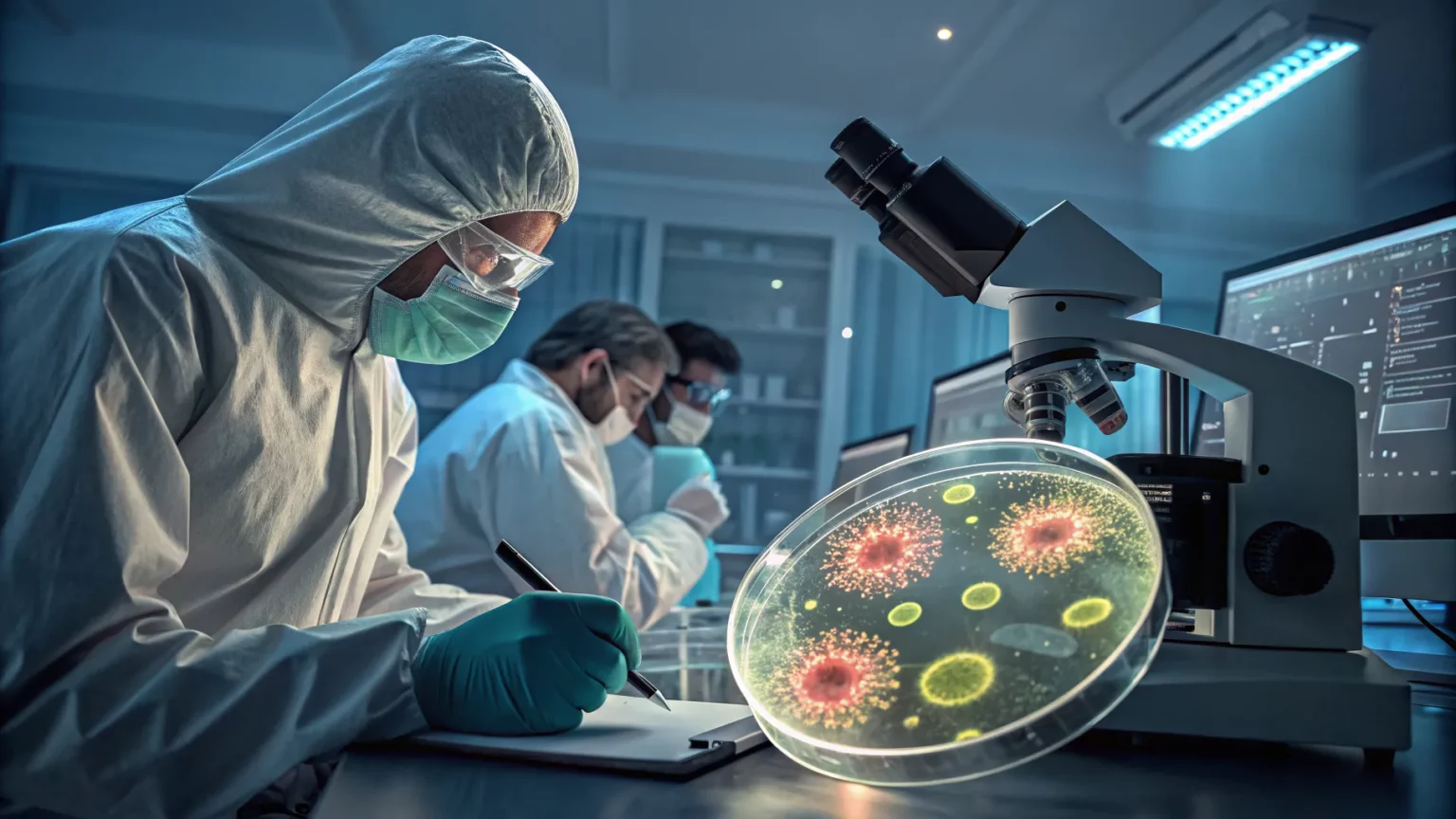
Scientists say dormant bacterial spores have sprung back to life after roughly a thousand years, renewing debate over how long life can wait in stasis and still return. The finding, described by researchers as a striking sign of microbial resilience, could shape thinking on food safety, medical sterilization, and the search for life in space.
The report centers on hardy endospores from bacteria that endured centuries without nutrients or light. In controlled conditions, the spores germinated and began to grow again. The work took place in lab settings designed to limit contamination and date the original material, according to researchers familiar with such protocols.
Why Dormant Spores Matter
Endospores are a survival strategy. When conditions turn harsh, some bacteria form a tough shell and shut down activity. They can resist heat, radiation, dryness, and chemicals that would kill other cells. When water and nutrients return, they can wake up and divide.
For decades, scientists have probed how long this state can last. Reports of very ancient spores have stirred both interest and skepticism. While some claims point to ages far older than a millennium, critics often question dating methods and possible modern intrusion into samples. A thousand-year timescale sits in a zone that many microbiologists see as plausible, though still demanding careful checks.
A Simple Claim, Big Implications
Patience is a virtue of these crafty, resilient little reproductive cells. Some bacterial spores have grown after lying dormant for a millennium.
The description captures a core idea in microbiology: life can wait. If spores endure for centuries on Earth, they might also survive long trips on dust, ice, or spacecraft surfaces. That raises stakes for planetary protection rules meant to prevent Earth microbes from hitching a ride to Mars or other worlds.
Food safety is another area of concern. Certain spore-forming bacteria can survive cooking and later germinate in packaged foods. Sterilization standards already account for spores, using heat and pressure to reduce risk. Evidence that spores can remain viable for many centuries reinforces the need for strict handling and storage practices.
What the Science Says
Laboratories test spore survival by exposing them to harsh conditions and then trying to regrow them. Success is measured by germination and by verifying that revived cells match expected genetic profiles. Contamination controls include sterile chambers, negative controls, and independent replication.
Dating the original material is often the hardest step. If spores come from sediments, wood, or ice, scientists may use radiocarbon dating of the surrounding material and cross-check with historical records or layer counts. Even with care, uncertainties remain, which is why controversy persists around extreme age claims.

Debate and Caution
Experts who welcome the new result argue it fits with known durability of endospores. They point to past recoveries from dry soils, permafrost, and salt deposits. Others urge caution, noting that tiny amounts of modern bacteria can slip into samples, especially those handled outside sealed facilities.
Both sides agree on one point: methods matter. Clear chain of custody, clean rooms, DNA checks, and replication across labs build confidence. Without these, age estimates can drift and conclusions can overreach.
How This Could Shape the Future
- Space missions may tighten cleaning and monitoring to limit spore transfer.
- Food and medical industries could revisit heat and chemical protocols for spore control.
- Climate studies might reassess how ancient soils or thawing ice release long-dormant microbes.
Astrobiologists will watch closely. If hardy microbes can sleep for centuries and revive on Earth, then ancient riverbeds on Mars or the icy crust of Europa may also shelter viable life, given the right conditions. The finding does not prove life exists elsewhere, but it widens the window for survival under harsh conditions.
What Comes Next
Researchers are calling for independent replication in multiple labs, using different dating methods and added genetic checks. They also want tests that compare spore survival across species, temperatures, and moisture levels. A clearer map of which spores last longest would guide both policy and practice.
For now, the revived spores offer a clear message: microbial life can wait longer than most expected and still return. That insight could influence how food is processed, how hospitals sterilize equipment, and how space agencies plan future missions. The next wave of studies will test the limits and set firmer bounds on just how long life can press pause.