




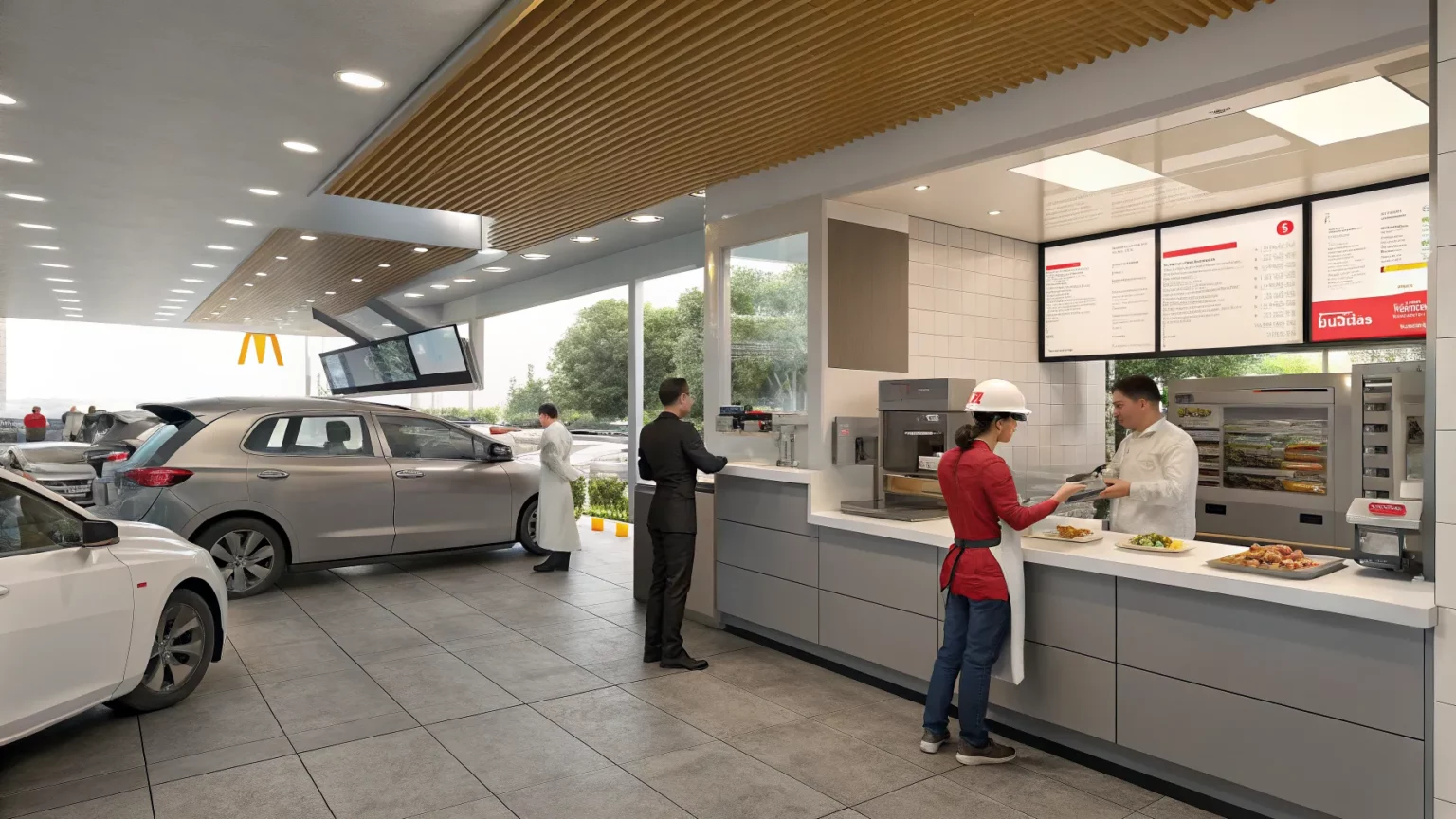
As artificial intelligence moves from labs to drive-thrus, owning a quick-service restaurant could soon feel different. At the center of this shift is McDonald’s, where new tools promise faster orders, smoother kitchens, and tighter staffing plans. Franchise owners are weighing the trade-offs as the company, like many chains, tests automation to cut wait times and reduce errors while navigating labor shortages and rising costs.
The core question is simple: can AI make daily operations more efficient without hurting customer trust or worker morale? Early pilots in voice ordering, kitchen scheduling, and predictive inventory suggest gains are possible. But results have been mixed, and leaders say accuracy and service must come first.
Why Operators Are Recalculating
Franchise economics leave little room for waste. Food inflation, higher wages, and delivery fees squeeze margins. Digital orders and mobile apps have grown, creating busy peaks that strain staffs. AI promises help by forecasting demand, placing workers where they are needed, and routing orders to the right prep station.
That pitch is drawing attention from owners who measure every minute and dollar. The hope is fewer bottlenecks, steadier throughput, and better matching of labor to traffic. The risk is spending on tools that do not work well enough at real-world scale.
Where Automation Shows Up
AI trials in fast food often start at the drive-thru, where voice bots take orders and send them to the kitchen. Kitchens then use display systems that track timing and alert crews to gaps. Managers see staffing suggestions based on weather, events, and past traffic. Supply systems flag when to reorder and which items to promote.
- Voice ordering to reduce wait times and hands-on entry
- Predictive staffing to align shifts with demand
- Kitchen routing to balance grills, fryers, and assembly
- Inventory alerts to cut waste and outages
McDonald’s and its peers have tested these ideas for years. Some efforts pause or change vendors when accuracy falls short. The lesson: automation must handle accents, noise, and custom items as well as a seasoned crew member can.
Voices From The Front Line
“In the age of AI, running a McDonald’s may soon look a lot more appealing.”
That view reflects rising interest in tools that take friction out of busy shifts. Operators point to time saved on routine tasks and fewer keystrokes at order screens. Technologists counter that precision is as important as speed. A wrong order can erase the benefit of a quicker line.
Labor advocates warn about job loss if systems replace entry-level roles. Many owners respond that automation fills gaps when hiring is hard, and that staff can focus on hospitality, safety, and quality checks.



Mixed Results, Clear Stakes
Early deployments have shown both promise and stumbles. Voice bots can do well on standard orders, then falter on noisy nights or complex changes. Forecasting can improve schedules but still miss sudden surges. Even so, managers say small gains add up across a day.
For customers, the test is simple: Was the visit fast, correct, and polite? Any AI that helps on those points is likely to stay. Tools that slow the line or confuse guests will not.
What It Means For Workers And Diners
Workers could see more task rotation and less manual entry. Training may shift to supervising systems, handling exceptions, and owning the guest experience. Clear safeguards are needed on data use and performance monitoring to keep trust.
For diners, more accurate quotes on wait times and clearer menus may be the first wins. Loyalty apps tied to kitchen flow could guide people to pick-up lanes that move faster, or nudge orders to underused stations.
What To Watch Next
Three signals will show whether AI is gaining ground in quick service:
- Accuracy rates for voice and vision tools during peak hours
- Measurable drops in order time and remake rates
- Franchise adoption, including repeat buys after pilots end
McDonald’s has cycled through several trials, refining where automation helps most. That cautious path suggests the company will scale only when systems meet strict service and accuracy targets. Competitors will do the same.
If those targets are met, ownership math could change. Fewer remakes, steadier staffing, and smarter inventory would make long shifts easier to manage. If not, the industry will keep testing until people and software work better together.
For now, the promise is real, but so is the bar. The next year will reveal whether AI becomes a quiet helper in the drive-thru, or a costly distraction from the basics of hot, fast, friendly service.