




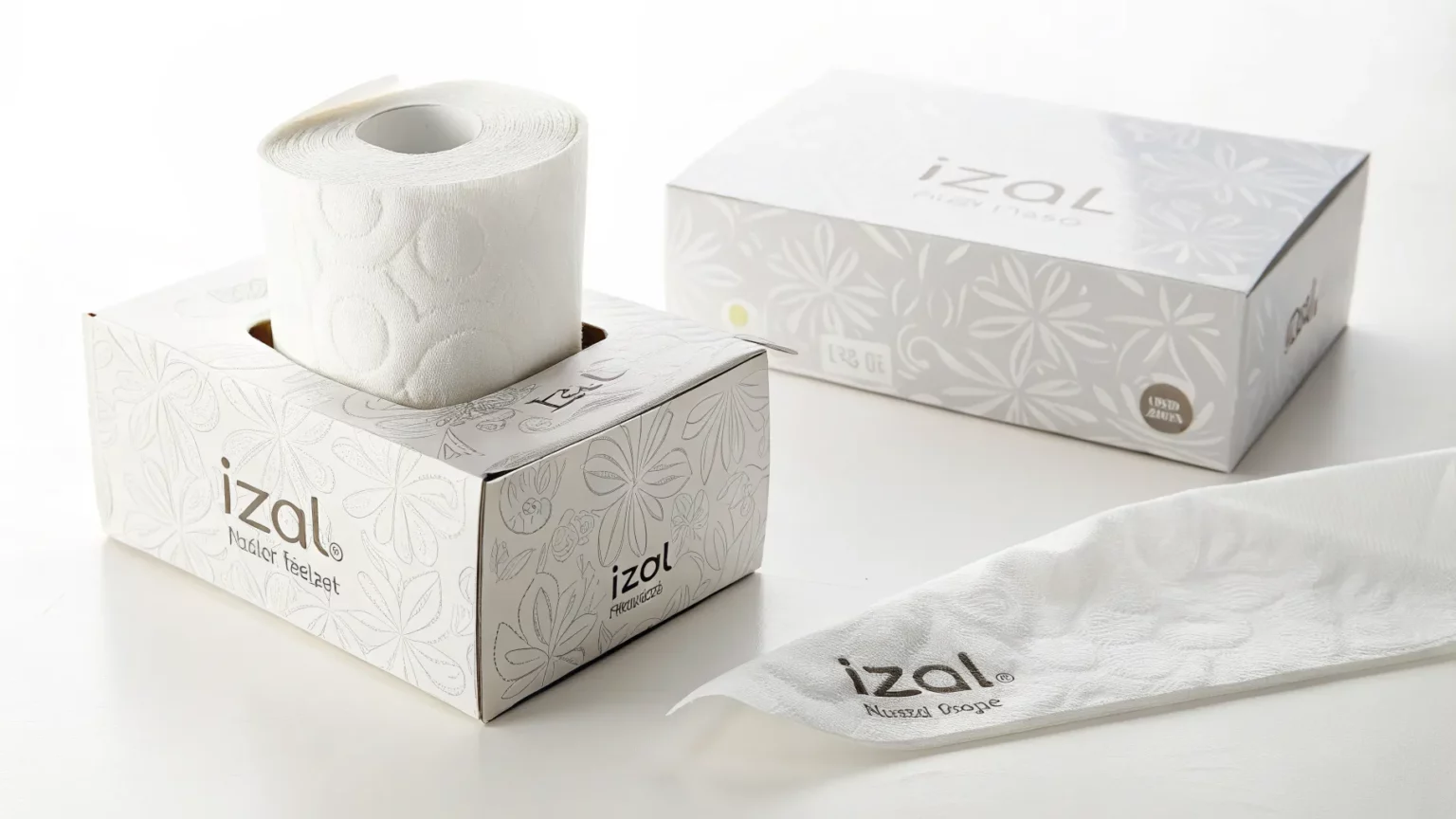
Decades after it vanished from most shelves, a simple question still puzzles consumers in Britain: how did a stiff, medicated toilet paper win mass adoption? The answer runs through public health campaigns, procurement habits, and a market that changed slowly—until it changed all at once.
“Many agree it was unpleasant to use, yet somehow Izal toilet paper was a bestseller for years.”
Izal’s medicated paper, produced in the north of England, gained wide distribution in the mid-20th century. It appeared in schools, hospitals, factories, and public offices. Shiny, non-absorbent sheets became a shared memory for generations. The product’s reach, more than its comfort, wrote its unusual success story.
From Disinfectant Brand to Public Staple
Izal began as a disinfectant brand, and the tissue carried that heritage. The paper was impregnated with a medicated solution and carried a strong smell. Advertisements promised hygiene and protection in an age shaped by infectious disease and rationing.
After the Second World War, soft tissue was seen as a luxury. Supplies were tight, and cost pressures were intense. Public bodies often ordered in bulk and sought value and consistency. Izal and similar “medicated” sheets fit those demands. The product could be dispensed in boxes of individual sheets, which helped control use.
By the 1960s and 1970s, the brand was an institution in public buildings. Many people met it first at school. Its presence created an impression of clinical safety, even as comfort lagged.
Marketing Hygiene Over Comfort
Izal’s message leaned on health, not softness. The word “medicated” suggested a safeguard against germs. That mattered in an era when households took pride in visible cleanliness and strong-smelling cleaners.
Soft, quilted rolls did exist, but they carried a higher price and were marketed as premium. For large institutions, the lower unit cost and the perception of better hygiene often won. As one former procurement officer might put it, the “safe choice” was the one already approved and proven in use.
- Health framing built trust with buyers.
- Bulk contracts favored familiar suppliers.
- Dispensing systems limited waste.
The Procurement Effect
The product’s endurance highlights how purchasing systems shape daily life. Once a supplier met standards and logistics, contracts tended to roll over. Switching meant testing, training, and changes to dispensers and budgets. That inertia kept Izal in place long after home users began to pick softer tissue.



Economists often point to “lock-in” when discussing procurement. A product can remain dominant due to past choices, not current merit. Izal’s path shows how cost control, standards, and equipment can fix a product in public spaces for years.
Public Taste Shifts—and So Do Shelves
The 1970s and 1980s brought a shift toward softness and comfort in home goods. Advertising moved from antiseptic claims to lifestyle appeal. Wider competition lowered prices for soft tissue and raised expectations. Iconic campaigns for softer brands turned comfort into the key selling point.
Public institutions followed later. As budgets changed and new standards emerged, many switched to softer roll tissue. The medicated sheet model faded from everyday life. By the 1990s, it was more a memory than a mainstay.
Lessons for Today’s Buyers
Izal’s journey highlights the trade-offs in public procurement. Health claims can outshine user comfort, especially when budgets are tight. Standard equipment and supply chains can make change slow. And once consumer expectations move, institutional products tend to follow.
The case also shows how branding taps into social priorities. In one era, the smell of disinfectant signaled safety. In another, softness signaled care. Both messages sold tissue; the second one won the long race.
Today, buyers face similar choices in many categories, from school supplies to medical goods. Price and hygiene remain key. Yet user experience carries more weight, and data on satisfaction is easier to collect. That mix could prevent another long run for a product that people dislike but cannot avoid.
Izal’s rise and retreat offer a clear takeaway. What people tolerate at work or school is often set by systems, not taste. But when homes shift first, systems tend to catch up. The next change in public washrooms may not come from a new label, but from buyers putting comfort and health on equal footing.