




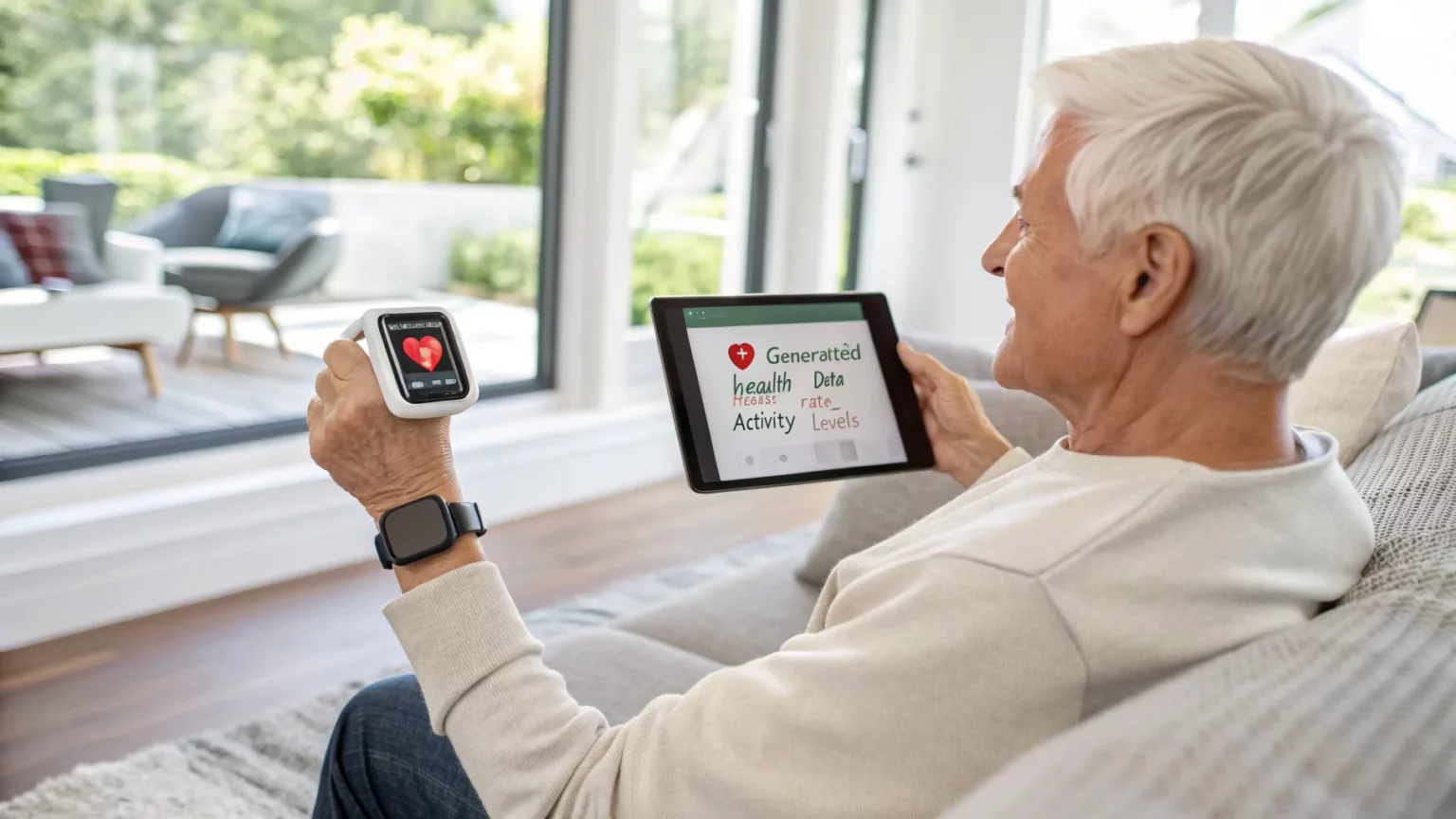
Cadence, a health technology company using artificial intelligence to monitor seniors with chronic conditions, has reached a $1.2 billion valuation. The milestone signals growing investor confidence in digital tools that promise earlier intervention, steadier treatment plans, and fewer emergency visits for older adults managing complex health needs.
The company’s model focuses on continuously tracking patient health data and alerting care teams to changes that might require action. Investors are betting that this approach can improve outcomes and reduce costs for health systems and insurers facing aging populations and rising rates of long-term disease.
“Cadence reached a $1.2 billion valuation by using AI to track seniors’ chronic health conditions and improve their care.”
Background: Aging Populations and Chronic Disease
As more people live longer with conditions like heart failure, diabetes, and COPD, the demand for monitoring beyond clinic walls has surged. Traditional care often relies on periodic appointments that can miss early warning signs. Remote monitoring aims to fill that gap by using connected devices and data analysis to flag trouble sooner.
Over the past decade, health systems have tested ways to manage chronic disease at home. Programs that combine regular check-ins, adherence support, and timely medication adjustments have shown promise in reducing hospitalizations. AI promises to scale these practices by sorting large volumes of data and focusing attention on patients who most need it.
How AI-Driven Monitoring Could Work
AI systems in chronic care typically analyze signals such as vital signs, symptom reports, and medication patterns. When the data suggests a worsening trend, the system can alert clinicians or care coordinators. The goal is simple: act before a small issue becomes a serious event.
For seniors, consistency matters. Many live with multiple conditions and complex treatment plans. Automated monitoring may help by providing early guidance on when to adjust medications, schedule a visit, or arrange home support. In turn, families and caregivers can gain more visibility into day-to-day health changes.
Promise and Pressure for Results
The valuation places pressure on the company to prove it can deliver better outcomes at scale. Health plans and hospitals will look for clear evidence of fewer hospitalizations, improved control of chronic conditions, and high patient satisfaction. They will also want proof that the service can integrate with existing clinical workflows without adding administrative burden.
Cost is another test. To sustain adoption, the service must show that savings from avoided emergency care and admissions outweigh program costs. Payers are receptive to solutions that bend the cost curve while maintaining quality, but require rigorous data before committing to broad rollouts.



Data Privacy, Equity, and Clinical Oversight
Data privacy and security remain central concerns. Seniors and caregivers will expect clear consent practices, strict controls on data use, and protection against unauthorized access. Clinical oversight is equally important. AI can triage information, but licensed providers must make care decisions, ensure safety, and document rationale.
Equity also matters. Not every senior has reliable internet, smartphones, or comfort with technology. Programs must account for language, accessibility, and device support to avoid leaving patients behind. Training, simple user interfaces, and alternative outreach methods can help close these gaps.
Signals for the Digital Health Market
The funding climate for digital health has cooled in some areas, but tools tied to measurable outcomes continue to draw interest. Chronic care, which drives a large share of health spending, remains a focal point. A high valuation suggests investors see near-term paths to revenue through partnerships with health systems and insurers.
- Evidence will be key: reductions in acute events and improved quality metrics.
- Integration with electronic records can speed clinician adoption.
- Clear reimbursement pathways will support wider use.
What to Watch Next
Analysts will watch for peer-reviewed studies, large health system partnerships, and performance across diverse patient groups. Regulatory engagement and transparent reporting on outcomes will also shape confidence. If results hold, AI-guided monitoring could become a standard layer of care for seniors with chronic disease.
For now, the valuation marks a vote of confidence in a model that aims to keep patients stable at home and give clinicians timely insights. The next phase will test whether promise translates into consistent, equitable, and proven results across real-world settings.