




Pumps are among the most important pieces of equipment in countless industrial, commercial, and municipal operations, moving fluids such as water, chemicals, oils, wastewater, and other fluids through systems that support manufacturing facilities, treatment plants, processing operations, and infrastructure projects worldwide.
Most people focus on the pump itself, but many of the components that determine a pump’s reliability are far less visible. For example, one of the most critical is the mechanical seal. This type of seal performs a deceptively simple task: preventing fluid from leaking out of the pump where the rotating shaft passes through the pump housing. Without an effective sealing system, even a well-designed pump can experience leaks, efficiency losses, equipment damage, and costly downtime.
Despite their importance, mechanical seals are often misunderstood by anyone who doesn’t work directly with pumps and rotating equipment. If you’re interested in knowing what a mechanical pump seal is, how it works, and why it matters to operators, keep reading below.
Why Pumps Need Seals
To understand mechanical seals, it helps to first understand the problem they are designed to solve. Most pumps contain a rotating shaft that transfers power from a motor to the pump’s internal components, and that shaft must pass through the pump casing or housing in order to connect the motor to the pumping mechanism. The challenge, naturally, is that the shaft must rotate freely while the fluid inside the pump remains contained. Without some type of sealing mechanism in place, liquid would escape through the opening where the shaft exits the pump housing. Even small leaks can create problems in certain circumstances. Mechanical seals are designed to minimize or eliminate this leakage while allowing the shaft to rotate at high speeds, providing a controlled sealing interface between stationary and rotating components.
The Basics: How a Mechanical Seal Works
Although there are many variations, most mechanical seals operate using the same basic principle. A mechanical seal typically consists of two extremely flat sealing faces. One face rotates with the shaft, while the other remains stationary within the pump housing. These faces are pressed together with carefully controlled force.
As the pump operates, the two seal faces remain in close contact. A microscopic fluid film often exists between the faces, providing lubrication while helping maintain the seal. The combination of precision-machined surfaces, spring pressure, and hydraulic forces allows the seal to contain the pumped fluid while minimizing friction and wear. This design allows pumps to operate efficiently while significantly reducing leakage. The technology may seem straightforward, but achieving reliable sealing performance often requires sophisticated engineering and precision manufacturing.
The (Many) Different Types of Mechanical Seals
Not all mechanical seals are identical, as you might imagine. Seal designs vary depending on the application, operating conditions, and fluid characteristics. For example, single mechanical seals are among the most common and are frequently used in general industrial applications, and double mechanical seals utilize two sets of sealing faces and are often employed when handling hazardous, toxic, abrasive, or environmentally sensitive fluids. These systems provide an additional layer of protection against leakage.
Other specialized designs include cartridge seals, split seals, balanced seals, and unbalanced seals; each configuration offers specific advantages depending on factors such as pressure, temperature, shaft speed, and fluid properties. For businesses, selecting the appropriate seal design is an important part of achieving reliable pump performance.



Common Causes of Mechanical Seal Failure
Although mechanical seals are designed for durability, they are not immune to failure. In fact, seal-related issues are among the most common causes of pump maintenance and downtime.
What exactly causes this? Improper installation is one example. Because sealing faces are manufactured to extremely tight tolerances, even minor installation errors can affect performance. Dry running is another common problem. In this type of problem, mechanical seals often rely on the pumped fluid for lubrication and cooling. And if the pump operates without sufficient fluid, excessive heat can damage the seal faces. Other causes may include misalignment, excessive vibration, pressure fluctuations, contamination, cavitation, thermal shock, and operating conditions that exceed design specifications, which, while controllable, can be devastating.
Don’t Underestimate the Importance of Choosing the Right Seal
Choosing the right mechanical seal is rarely a one-size-fits-all decision (and industrial plants are rarely one-size-fits-all to begin with). Different fluids have different advantages, but also create different challenges. For example, water presents different sealing requirements than chemicals, slurries, hydrocarbons, food products, or wastewater. Temperature, pressure, viscosity, abrasiveness, and corrosion potential can all influence seal selection as well, and a seal that performs exceptionally well in one application may fail quickly in another. This is one reason why seal manufacturers and pump specialists often spend considerable time evaluating operating conditions before recommending a particular solution.
It’s a Small Component With a Big Job
Mechanical pump seals may not receive the same attention as motors, impellers, or control systems, but as you’ve learned, they can play a vital role in pump performance. They function as a reliable barrier between rotating shafts and contained fluids; they help prevent leaks, improve efficiency, and, perhaps most importantly, support safe operation across countless industries. From water treatment facilities and manufacturing plants to chemical processing operations and municipal infrastructure, mechanical seals are doing the hard work necessary to keep fluid systems running smoothly.
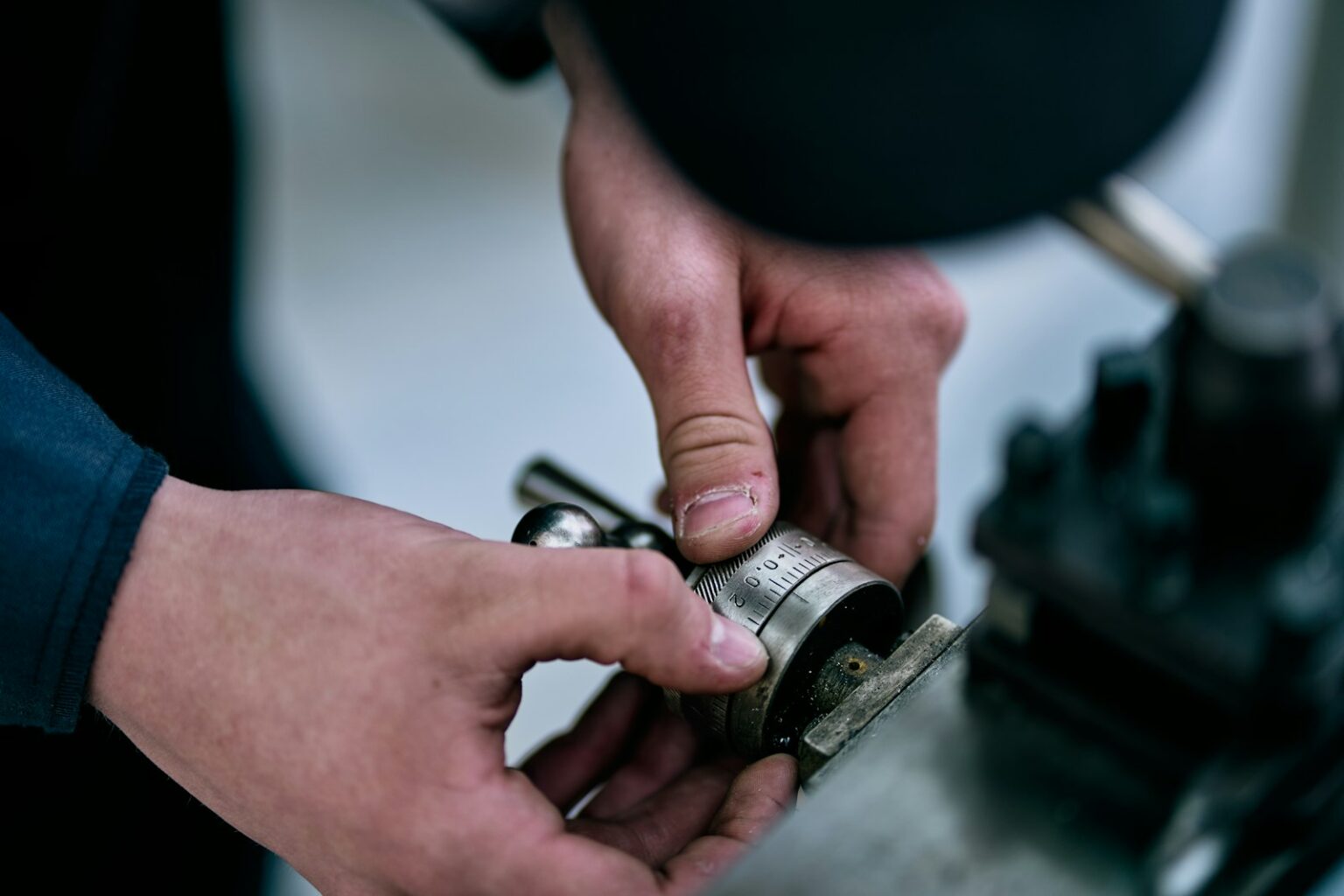
Photo by Maxim Tolchinskiy: Unsplash