



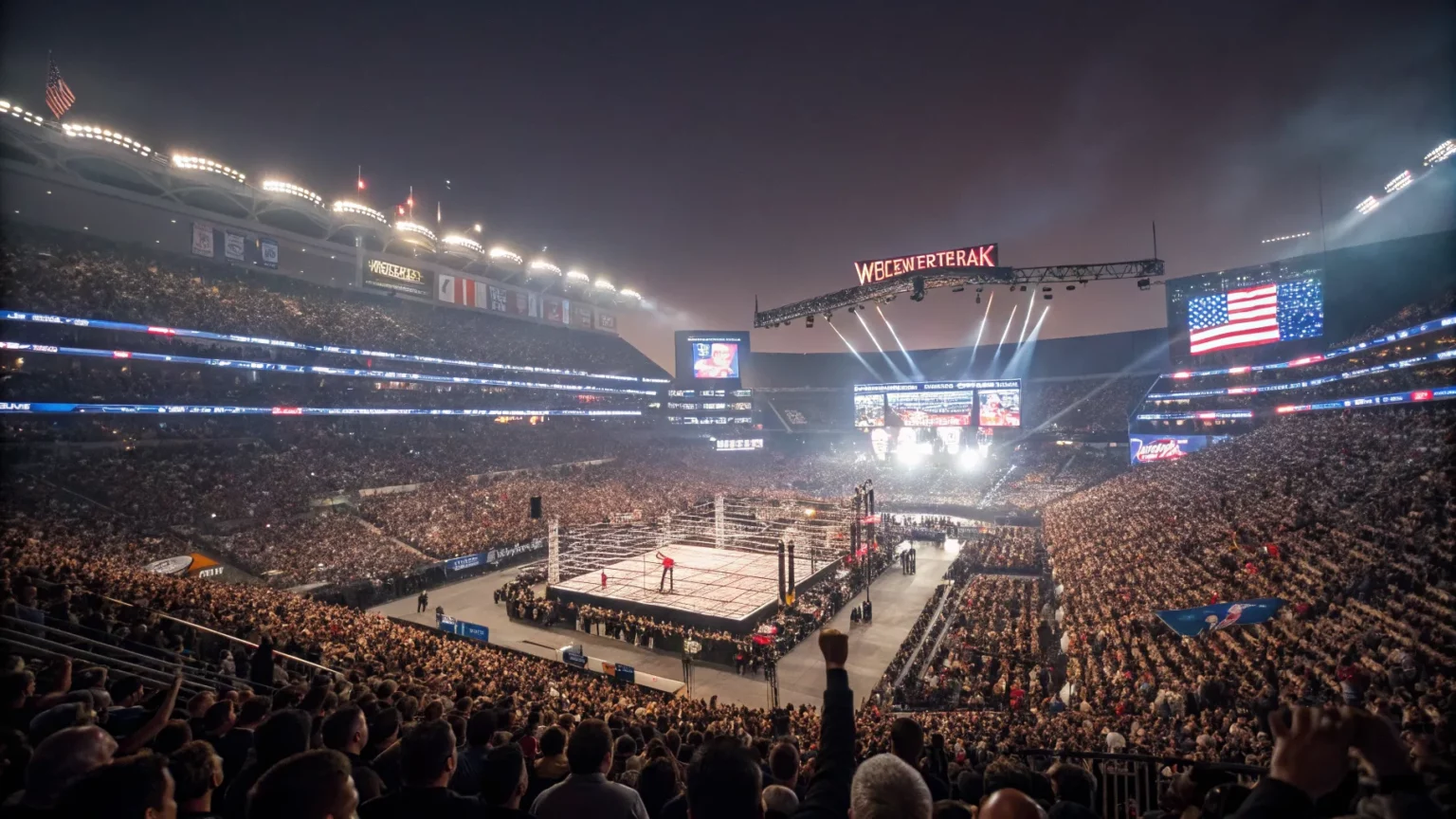
WWE’s biggest stage delivered another marathon Sunday show, drawing a global audience and setting off fresh debate about match results and performance grades. The event capped a weekend built for spectacle, where titles, careers, and long-running feuds often reach turning points. Fans, analysts, and former wrestlers weighed in through live blogs and post-show reviews, sorting winners from near-misses and rating the night’s strongest work.
The annual show anchors WWE’s calendar and fuels conversation across sports media. It takes place each spring, and Sunday’s card featured championship bouts, grudge matches, and celebrity cameos typical of recent editions. Viewers track outcomes for storyline shifts, but they also grade pacing, production, and in-ring chemistry to judge whether the show met its high bar.
“WWE WrestleMania 42 Results, Winners And Grades On WrestleMania Sunday.”
A Night Built For Spectacle
WrestleMania is designed to scale up everything about sports entertainment. Entrances are longer. Production is bigger. Matches often run with larger stakes. Sunday’s card followed that rhythm, placing title matches late to maximize tension and viewership. The format also encourages a mix of styles, pairing technical wrestling with high-risk stunts and story-driven brawls. That blend gives reviewers a wide range of criteria when assigning grades.
Grading has become part of the viewing ritual. Outlets typically evaluate match structure, crowd reaction, execution of key spots, and how an outcome serves future stories. A strong rating can lift a performer’s momentum. A flat grade can alert creative teams to pacing or booking issues.
How Match Grades Shape Debate
Post-show grades extend the life of the event well past the final bell. Fans use them to compare eras and to gauge whether hype matched delivery. Veteran analysts often look for three markers of a top-tier bout: a clear narrative, a timely finish, and memorable moments that advance character arcs.
- Story payoffs: Did long-term feuds reach a satisfying end?
- In-ring quality: Were sequences smooth, safe, and engaging?
- Crowd response: Did the arena energy build throughout?
- Production: Did camera work and commentary enhance the action?
Grades also affect how networks and sponsors talk about the show. A night with several “A” matches strengthens future marketing. Mixed reviews prompt calls for changes to match order or segment length.
Business Stakes And Audience Trends
WWE’s spring showcase has become a two-night draw in recent years, with Sunday positioned as the climax. The company ties its biggest stories to this weekend and often highlights attendance and streaming viewership to signal health. While exact Sunday figures were not released during the broadcast, industry watchers expect strong performance based on the buildup and international interest.
Ticket packages, merchandise drops, and hospitality deals now make the weekend a host-city festival. Local tourism groups and venues benefit from fan travel, watch parties, and adjacent independent shows. That economic ripple helps sell future bids to stage the event.


Safety, Storytelling, And What Comes Next
As match intensity rises, so does focus on safety and match layout. Producers and talent balance high spots with protective measures, especially in long cards where fatigue can set in. Reviewers increasingly factor safe execution into grades, praising matches that reach drama without risky errors.
Sunday’s outcomes set the board for spring and summer programs. New champions, if any were crowned, face immediate challenges on weekly television. High-scoring matches often earn rematches at premium events. Lower-rated bouts may see shifts in pairings or character direction to maintain audience interest.
For fans, the conversation now turns to what sticks: which matches will be replayed for years, and which stories gained real traction. For WWE, the task is to convert the buzz into steady momentum across shows that follow. The next checkpoints will be television ratings, live-event sales, and how quickly new stories catch fire with crowds.
WrestleMania Sunday once again showed why this stage holds such weight. Results drive headlines, but the lasting measure is how the show felt—its pace, its risks, its payoffs, and whether it left viewers eager for the next chapter.