




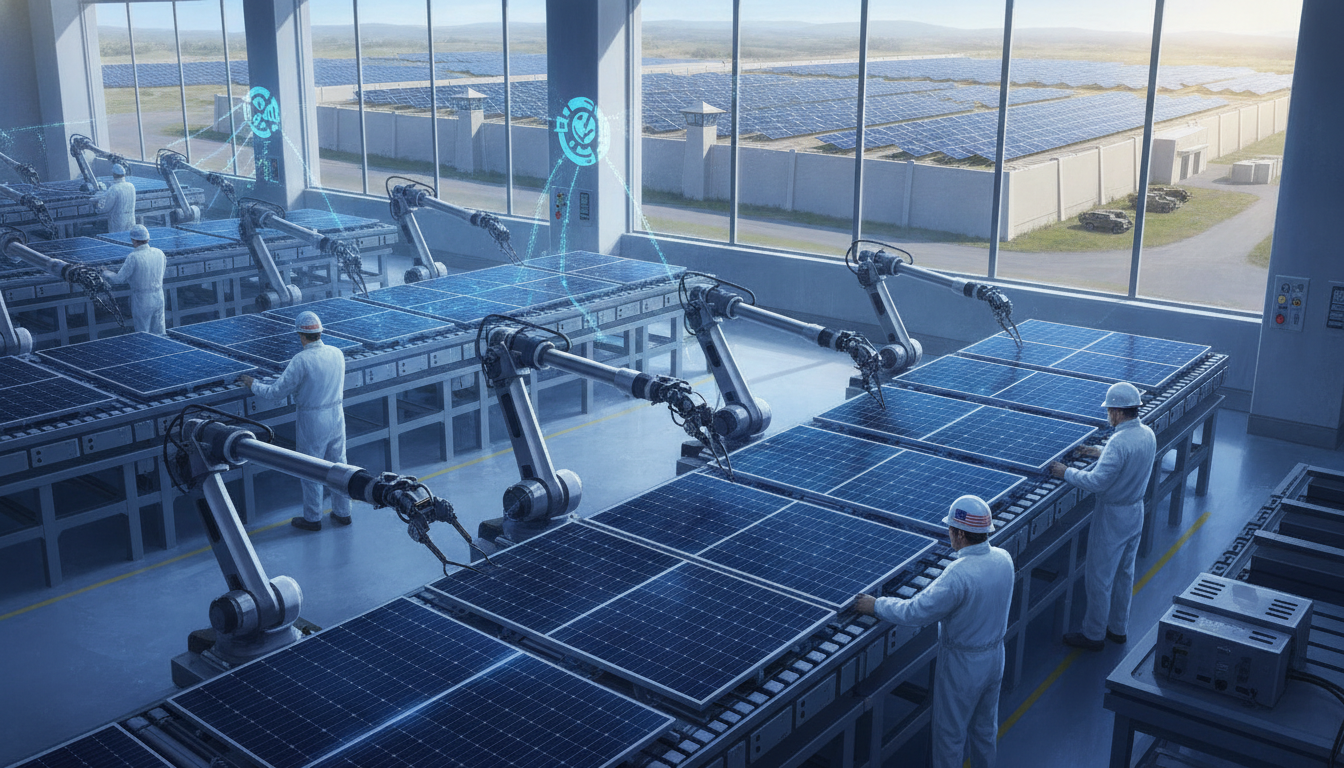
As debates over energy policy intensify, a core message is gaining traction: expanding U.S. solar panel manufacturing is not just about clean power, it is about national security. The push comes as officials and industry leaders weigh supply chain risks, rising global tensions, and the need to keep the grid stable during emergencies.
The issue centers on who makes the equipment that keeps lights on in homes, hospitals, and military bases. Advocates argue that more production inside U.S. borders would reduce dependence on foreign suppliers, speed up disaster response, and protect critical infrastructure from disruption. Critics caution that rapid shifts in trade and industrial policy carry costs for consumers and taxpayers.
Why Supply Chains Matter For Security
Solar hardware is part of the nation’s energy backbone. Panels, inverters, and the materials that go into them move through a global network that can be strained by trade disputes and geopolitical shocks. That exposure makes planners nervous.
“U.S. domestic solar panel manufacturing will help national security.”
Supporters link local production to faster deployment during crises and fewer weak points in essential equipment lines. They also point to sensitive sites, like bases and water systems, where disruptions can have wide effects.
Background: Policy Incentives And Market Shifts
Over the past few years, federal and state programs have tried to nudge factories home. Tax credits and grants seek to make it more attractive to build panels and components domestically. Trade actions and import rules have also reshaped sourcing for parts and materials.
Industry analysts note that many parts of the solar supply chain have long been concentrated in Asia. As demand for solar surges, U.S. buyers face delays when shipping bottlenecks or customs reviews slow deliveries. This has pushed utilities and developers to seek more predictable sources, even if they cost more at first.
Supporters See Strategic Benefits
Security planners emphasize redundancy. If more suppliers operate in the United States, they say, it becomes easier to keep projects on schedule and repair damaged systems after storms or cyber incidents.
- Shorter delivery times for replacement parts during emergencies
- Greater visibility into factory practices and quality controls
- Opportunities to harden equipment against tampering
- Local jobs tied to energy infrastructure
Some grid experts highlight microgrids on hospitals and bases that pair solar with batteries. They argue domestic supply can speed scale-up of these systems, which keep essential services running during outages.



Costs, Competition, And Consumer Impact
Not everyone agrees on the best path. Consumer advocates warn that protectionist policies can raise near-term prices for panels. Developers say higher hardware costs can slow the pace of installation, which could delay emissions cuts and keep power bills higher for longer.
Manufacturers respond that costs tend to fall as factories ramp up. They argue that policy stability is key. Frequent changes in tariffs or subsidies make it harder to justify large investments in new facilities, which can take years to build and scale.
Quality, Ethics, And Traceability
Security is also about ethics and transparency. Buyers are under growing pressure to ensure clean labor practices and responsible sourcing of materials. Building more capacity at home, advocates say, improves traceability and reduces legal and reputational risks.
Industry groups argue that clear standards for tracing materials, along with audits, can help level the field. They add that better visibility supports higher reliability, since it is easier to verify components and detect defects.
What Comes Next
States are competing to attract factories with tax credits and infrastructure support. Utilities and large buyers are signing agreements that favor domestic content. At the same time, installers want predictable prices to keep projects moving.
Energy planners outline a middle course. They recommend a measured buildout of U.S. capacity while keeping trade channels open to avoid shortages. They also call for stronger testing, shared industry standards, and better coordination across agencies to speed permits and grid connections.
The core claim is simple, but the execution is complex. Building more panels at home can reduce exposure to external shocks and strengthen critical systems. The tradeoff is higher near-term costs and the need for steady policy.
As investments roll out, the signals to watch include factory announcements, domestic content in large projects, and the pace of interconnection. If production scales and prices ease, the link between solar manufacturing and national security could grow tighter. If costs stall projects, pressure will rise to adjust incentives and timelines. Either way, energy security is no longer just about fuel. It is also about where the hardware comes from, how fast it can be replaced, and who controls the tools that keep the grid running.