




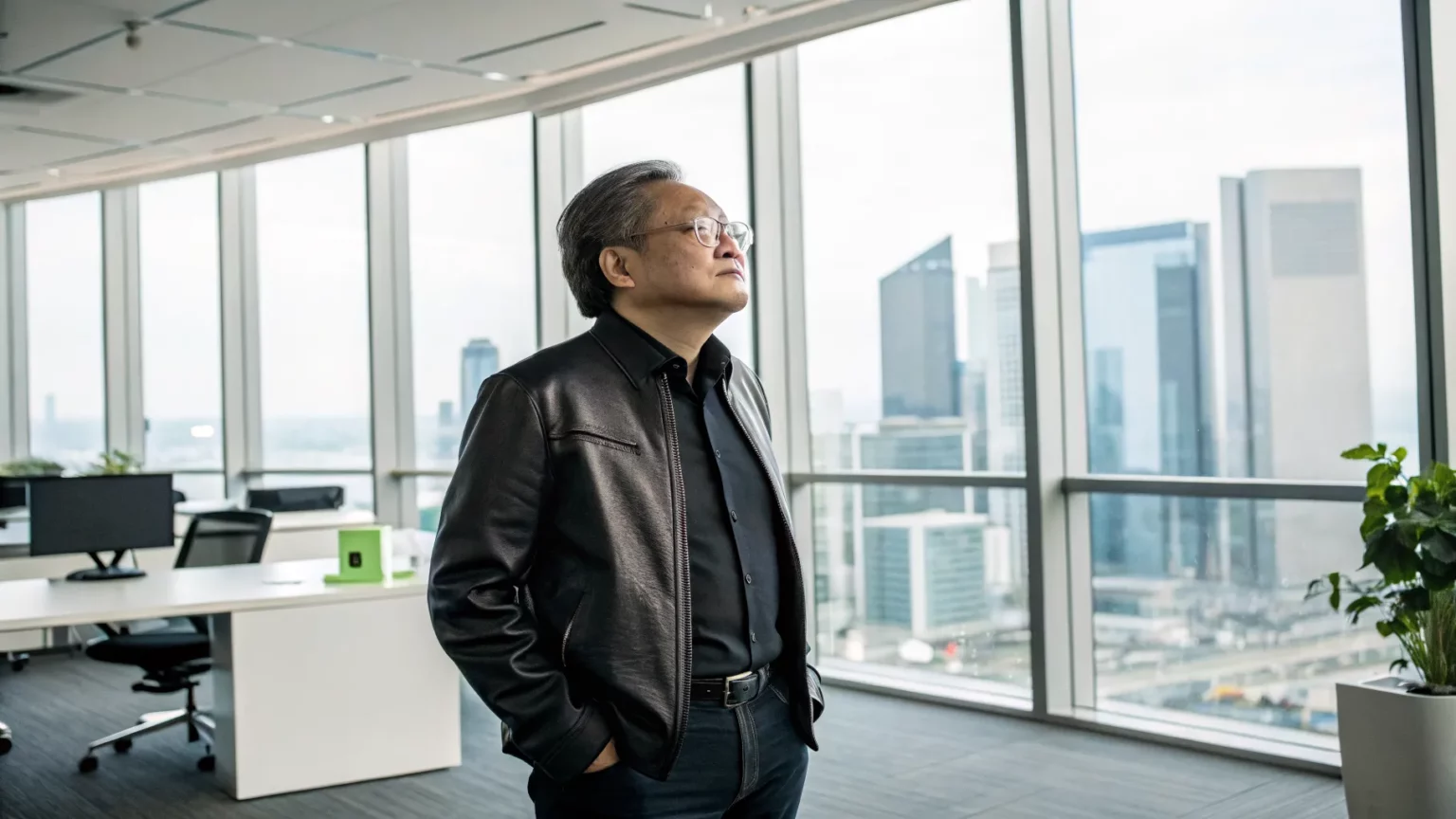
Nvidia CEO Jensen Huang will not join former President Donald Trump on an upcoming trip to China, even as more than a dozen other U.S. business leaders prepare to attend. The decision lands at a moment of sensitive U.S.-China ties and intense scrutiny over advanced chips and artificial intelligence.
The trip, expected to feature meetings with Chinese officials and corporate leaders, comes as American companies weigh growth prospects in China against U.S. export controls. Huang’s absence signals the fine line major chipmakers walk as they navigate policy risk, supply chains, and investor expectations.
“Nvidia CEO Jensen Huang isn’t going on Trump’s China trip, though more than a dozen other U.S. executives are.”
Why This Matters for Nvidia
Nvidia sits at the center of the global AI boom. Its high-end chips power large language models and data centers around the world. China has long been a major market for the company’s data center products, as local tech giants race to expand cloud services and AI research.
U.S. export rules, first rolled out in 2022 and tightened in 2023, restrict the sale of top-tier AI chips to China. Nvidia responded by revising products for that market, but policy changes have remained fluid. Any public engagement in China by Huang would draw attention to how Nvidia plans to serve customers there while staying within U.S. rules.
By skipping the trip, Huang avoids adding political heat to a commercial issue that already affects suppliers, customers, and shareholders. The company must balance demand from Chinese buyers with compliance, as regulators and lawmakers watch closely.
The Business Delegation and Its Aims
Business delegations to China often seek market access, regulatory clarity, and signals on economic policy. A leader like Trump can open doors for private-sector talks and media attention. For executives, these trips can help rebuild ties after pandemic-era travel limits and geopolitical tension.
Huang’s choice contrasts with peers who plan to attend. Those leaders may be looking to protect existing operations, scout new partnerships, or advocate for smoother licensing and approvals. Nvidia, however, faces a unique policy spotlight because its most valuable products are directly targeted by export rules.
Industry and Policy Crosscurrents
Chipmakers, cloud providers, and device brands are all adjusting to a new trade environment. Companies with large China revenue share face pressure to show they can still grow. At the same time, Western governments link advanced chips to national security, setting limits on sales and technology transfers.



Analysts say this tension shapes everything from product roadmaps to factory plans. Many U.S. firms are diversifying supply chains to Southeast Asia, India, and Mexico. Yet China remains a linchpin for electronics manufacturing and a major buyer of servers, networking gear, and AI hardware.
- Export controls restrict high-performance AI chips and related tools.
- Chinese firms seek workable alternatives and local designs.
- U.S. companies hedge with multi-country production and sales strategies.
Signals Investors Will Watch
Investors will parse Nvidia’s product updates, China-specific offerings, and commentary on demand. Any shift in U.S. rules could change shipment plans and revenue mix. If Chinese buyers move to domestically designed accelerators, that could reshape competition.
Conversely, if licensing pathways stabilize, Nvidia could maintain a foothold with compliant chips and software stacks. Software remains a strategic lever, as performance gains often depend on tuned libraries and developer tools that are hard to replace quickly.
What Comes Next
The immediate takeaway is that Nvidia will keep its China engagement measured and policy-aware. Huang’s absence from the delegation suggests the company prefers quiet, technical discussions over high-profile visits that might raise expectations or controversy.
For the broader business community, the trip is a test of whether commercial ties can deepen despite security limits. Executives who do attend may return with clearer reads on regulation, demand, and the health of China’s recovery.
The next milestones to watch include any adjustments to U.S. export rules, moves by Chinese chip designers, and corporate guidance from Nvidia and its peers. In a market where AI demand remains strong, strategic restraint can be as telling as bold diplomacy.