




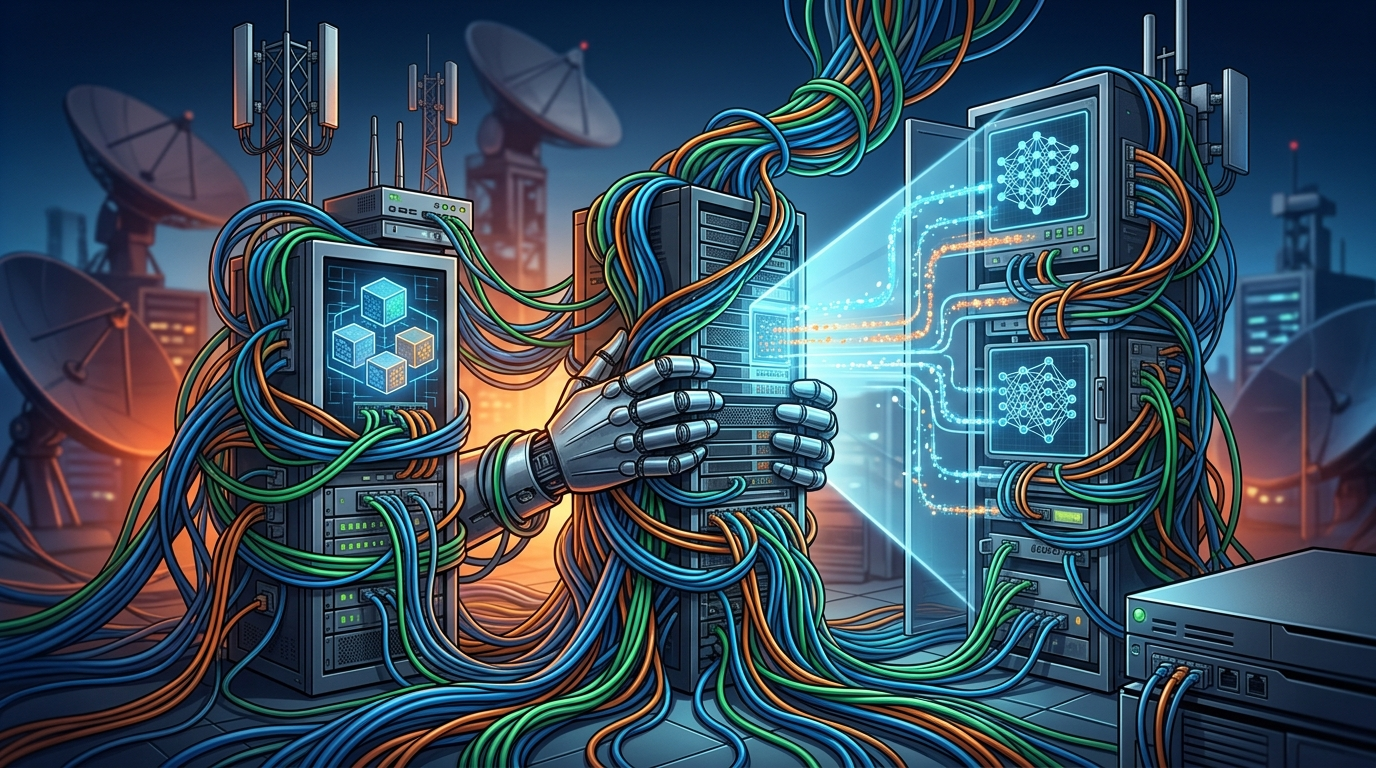
Telecom operators face a new open-source software risk as AI agent libraries become tied to the systems connecting models, data, and network tools.
The concern is not the underlying AI model. Operators can often replace one model with another. The harder task is changing the software layer that routes requests, manages agents, and links them to business systems.
This shared layer is often called a bus. Once deeply installed, it can shape how a carrier operates AI services across customer support, network maintenance, billing, and security.
Why the Bus Matters More Than the Model
AI agents can plan tasks, call software tools, retrieve data, and act with limited human input. Agent libraries provide reusable code for those jobs.
The bus sits between these agents and the systems they use. It may handle messages, identity checks, permissions, data formats, logs, and task scheduling.
“The AI model underneath is not the risk, the bus is.”
That warning shifts attention from model selection to system design. A carrier may test several commercial and open models without changing its wider AI setup. Replacing the bus can be far more disruptive.
Each agent may depend on its interfaces, workflow rules, memory system, and tool definitions. Over time, those links create switching costs even when the original software is open source.
Open Source Does Not Eliminate Lock-In
Open-source software gives operators access to code and often allows them to run systems on their own infrastructure. However, code access alone does not guarantee easy migration.



A library can become difficult to replace because staff learn its methods, internal tools use its formats, and monitoring systems expect its logs. Custom changes deepen that dependence.
The main sources of risk include:
- Proprietary interfaces added around open-source code
- Agent workflows that cannot move between libraries
- Data and memory stored in vendor-specific formats
- Security controls tied to one orchestration system
- Managed services that differ from the public project
Telecom networks make these issues more serious. They combine older equipment, strict uptime demands, sensitive customer data, and many vendors. A migration failure can affect essential services.
Operators Weigh Speed Against Control
Agent libraries can help carriers deploy AI faster. Shared tools reduce repeated work and provide ready-made links to databases, models, and software services.
That speed has clear value. Agents may help identify network faults, summarize technical alarms, support field workers, or resolve routine customer requests.
Yet tighter integration can reduce long-term choice. A carrier that builds hundreds of processes around one bus may have little practical freedom to leave it, even if licensing or support changes.
Suppliers can argue that common orchestration improves security and oversight. A central bus may provide consistent access rules, audit records, and performance controls. Fragmented systems can create their own costs and risks.
The issue, therefore, is not whether operators should use agent libraries. It is whether they can preserve control while gaining shorter development times.
Standards and Exit Plans Gain Importance
Operators can limit exposure by separating agents from the bus through documented interfaces. They can also require portable records, tool definitions, and workflow files.
Procurement reviews may need to examine more than model accuracy and price. Buyers should test whether another orchestration layer can run the same task without a full rewrite.
Regular migration tests could reveal hidden dependencies before they spread. Clear software inventories would also show which network and business processes rely on each library.
AI models will keep changing, and telecom companies are likely to use several at once. The larger strategic question is who controls the connections around them.
For operators, the next lock-in battle may not center on a famous model or cloud provider. It may form quietly inside the bus that every agent needs to work.