







A warning over prediction markets has raised a practical question for Utah: Should businesses be allowed to trade contracts tied to weather and other uncertain events?
Supporters argue that banning such markets would remove a useful planning tool. Critics may view the contracts as gambling, especially when participants profit from outcomes they cannot control.
“If prediction markets are disallowed in Utah, its business owners will be reduced to gambling on weather’s vagaries.”
The statement frames the dispute as a choice between informed risk management and unprotected exposure. Yet the policy question is more complex. It depends on how the contracts work, who may trade them, and which agency regulates them.
Why Weather Risk Matters
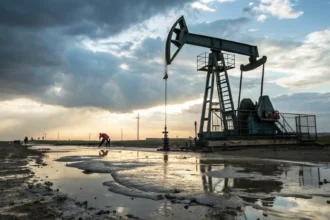
Weather can shape revenue, costs, and staffing across much of Utah’s economy. Snowfall affects ski areas and winter tourism. Drought can influence farms, ranches, utilities, and construction projects.
Outdoor events, transport companies, and retailers also make decisions based on forecasts. A warm winter or late storm may change customer demand within days.
Traditional planning tools include insurance, cash reserves, flexible contracts, and weather forecasts. Each serves a different purpose. Insurance may cover a defined loss, while forecasts offer information without direct financial protection.
A prediction market allows participants to trade contracts based on whether an event occurs. Prices can reflect the market’s shared estimate of an outcome, although those estimates are not guaranteed to be accurate.
Planning Tool or Gambling Product
The case for prediction markets rests on two claimed benefits. They may collect scattered information into a visible price, and they may help participants offset financial exposure.

For example, a tourism operator worried about low snowfall could seek a contract that pays under specified weather conditions. That payment might soften a decline in bookings.
Opponents could argue that event contracts resemble wagers when traders lack a direct business risk. A person buying a contract only to profit from a storm prediction may be speculating rather than protecting income.
This distinction matters because a broad prohibition could treat several types of activity alike. A narrow regulatory system could instead separate commercial hedging from casual betting.
- Rules could define which events qualify for trading.
- Participation could be limited by age, purpose, or financial status.
- Platforms could face disclosure and recordkeeping duties.
- Contracts could require trusted, independent data sources.
Accuracy and Market Integrity
Prediction markets also carry practical limits. Thin trading can produce unreliable prices. Wealthy participants may exert outsized influence, while unclear contract terms can cause disputes.
Weather contracts need precise measures. Regulators and traders must know which station records the result, what period applies, and how missing data will be handled.
Forecasts already come from public agencies and private services. Prediction markets would not replace those systems. Their role would be to attach financial stakes to a clearly defined outcome.
That can sharpen incentives, but it can also invite manipulation or excessive speculation. Effective oversight would require transparent pricing, safeguards for customer funds, and clear procedures for resolving contracts.
Utah Faces a Regulatory Choice
The central issue is not whether weather creates uncertainty. Utah businesses already carry that risk. The question is whether event-based contracts should help manage it and, if so, under what limits.
A ban could reduce access to one form of financial protection. It could also prevent products that lawmakers consider too close to gambling. A regulated approach may preserve business uses while restricting purely speculative activity.
Policymakers will need to examine contract design rather than rely only on labels. The most useful test is whether a product protects a real economic interest, provides clear terms, and operates under enforceable rules.
Utah’s decision could affect farms, tourism operators, energy users, and other weather-sensitive firms. The next step is a clear legal distinction between legitimate risk management and wagering, supported by firm consumer protections.