



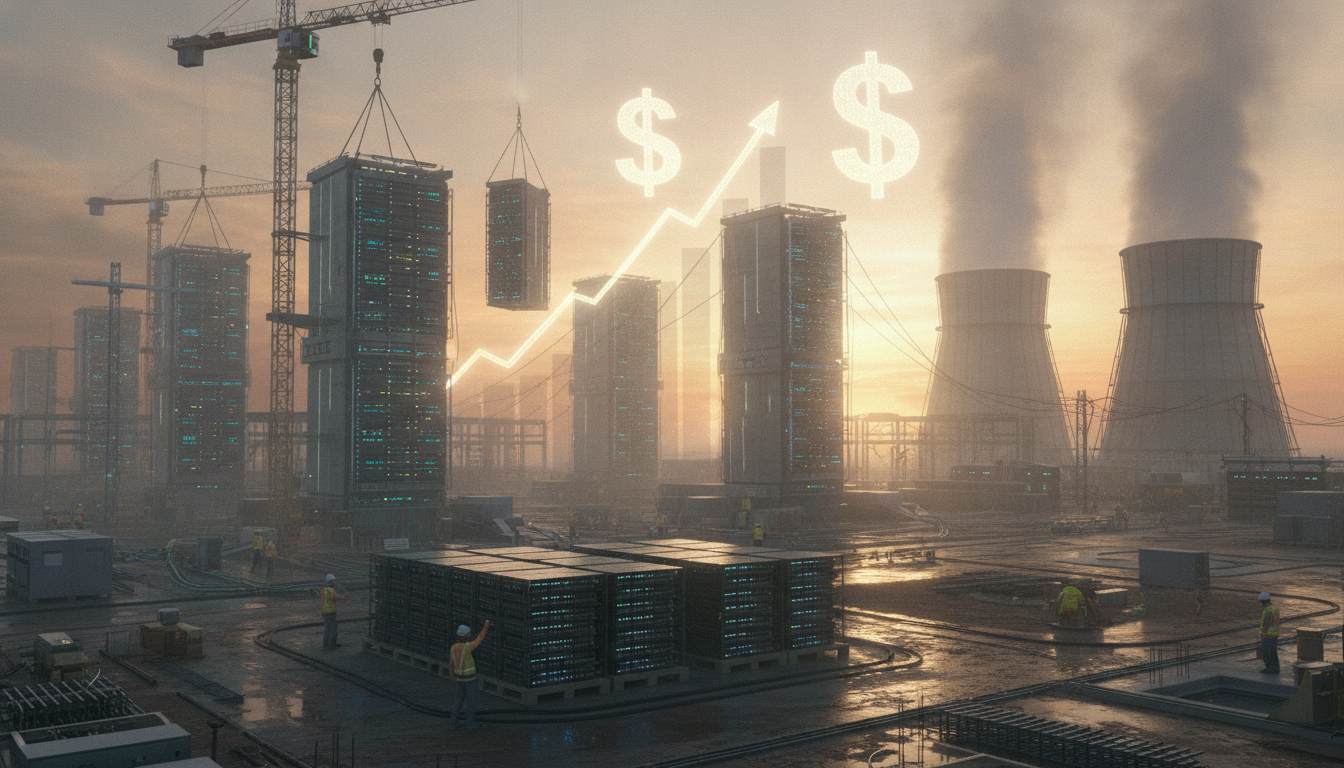
Soaring investment in artificial intelligence data centers is feeding a new source of inflation pressure, adding to costs for chips, equipment, and power. Spending is expected to top $700 billion this year as companies race to build the infrastructure needed to train and run AI models. Economists say those outlays are likely to keep prices rising faster than the Federal Reserve wants through year-end.
While the surge is not expected to match the 2021-2023 spike, when inflation peaked at 9.1%, the scale of AI buildouts is reshaping demand across key industries. The trend raises hard choices for policymakers and companies that rely on high-performance computing.
AI Buildout Pressures Prices
“The gusher of investment in data centers — likely topping $700 billion this year — to power artificial intelligence has made memory chips, computer processors, and other equipment, as well as electricity more expensive.”
Data centers need advanced processors, vast amounts of memory, specialized cooling, and steady power. That concentrated demand is lifting input costs. Suppliers have redirected capacity to meet large orders tied to AI projects. Smaller buyers now face longer waits and higher prices.
Electricity markets are also feeling the strain. Facilities run around the clock and use heavy loads. Utilities in several regions report higher demand from new or planned campuses. That can add to local rates and complicate grid planning.
A Post-Peak Inflation Threat
“Economists expect it will continue to push up inflation at least through the end of this year.”
Consumer inflation cooled from its 9.1% peak during 2021-2023, helped by easing supply chains and higher interest rates. The Federal Reserve targets 2% inflation on average. Extra pressure from AI-linked spending risks slowing progress toward that goal.
Price gains tied to data center inputs tend to feed into a wide set of goods and services. Electronics, cloud services, and even basic devices can carry higher costs when chips and memory are scarce. Power bills also filter through to data storage fees, streaming, and other digital services.
Why Data Centers Cost More
Several forces are driving the current squeeze:
- High-end chips and memory remain in tight supply.
- Specialized cooling gear, transformers, and racks face bottlenecks.
- Power infrastructure and grid upgrades take years to complete.
- Developers compete for skilled labor and scarce industrial land.
Each factor adds expense, and together they create a feedback loop. Developers bid up components to meet launch dates. Suppliers channel output to the highest bidders. That keeps prices firm even as some consumer electronics soften.


Impacts on Households and Businesses
For households, the effect may show up in subtle ways. Hardware upgrades may cost more. Subscription prices for cloud-based tools can creep higher. Electricity rates in fast-growing data center hubs may rise faster than in other regions.
For businesses, the squeeze is clearer. Startups and mid-size firms face higher bills for compute time and storage. Some delay AI projects or switch to less intensive models. Others lock in long-term contracts to reduce price swings, but that can limit flexibility.
The Fed’s Balancing Act
The Federal Reserve faces a familiar trade-off. Cutting rates too soon could let price pressures linger. Holding rates high risks cooling hiring and investment. AI spending adds a fresh source of demand that rate policy alone may not tame quickly.
“Massive AI spending is likely to keep prices rising more quickly than the Federal Reserve would like.”
Policymakers will watch energy demand, chip prices, and capital spending plans. If signs point to continued tightness into next year, patience on rate cuts may grow.
What to Watch Next
Key signals in the months ahead include chip supply expansions, utility approvals for new power capacity, and delivery timelines for transformers and cooling systems. Any easing in these areas could slow price growth in tech gear and data services.
For now, the buildout continues at speed. The near-term result is a modest but persistent lift to inflation, even as the broader price surge of recent years recedes. Consumers and firms should plan for higher tech and energy costs through year-end, and possibly longer if supply catches up slowly.
The bottom line: AI infrastructure is reshaping demand across chips and power. That shift is adding to inflation pressure in the short run. The course of prices will hinge on how fast suppliers scale and how the Fed weighs new data against its 2% goal.