



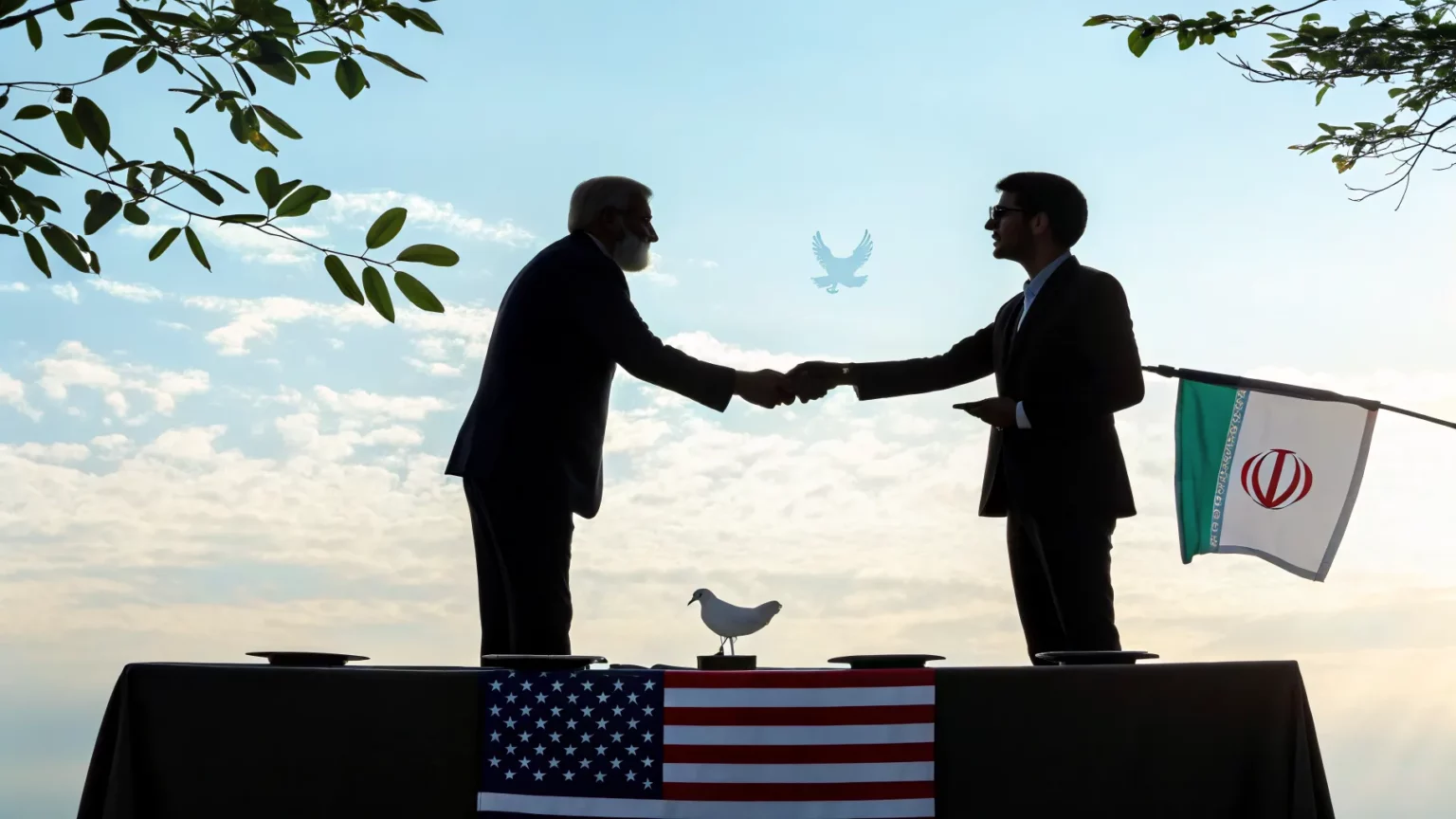
President Donald Trump’s decision to indefinitely extend a US ceasefire with Iran has opened a fragile window for talks, raising hopes and hard questions. The move aims to halt a war that has killed thousands of people and strained global energy supplies. What happens next could shape security and markets from the Gulf to major importing nations.
The extension lowers the risk of immediate escalation. It also shifts pressure onto diplomats who must turn a pause in fighting into a plan for peace. The stakes include human lives, regional stability, and the price of oil.
“After President Donald Trump indefinitely extended a US ceasefire with Iran, the key question is whether the two sides can reach a deal to end a war that has killed thousands of people and sparked a global energy crunch.”
Background and Stakes
The ceasefire comes after months of confrontation that hit civilians and infrastructure. Indirect talks stalled more than once. Military strikes and proxy clashes carried risks of miscalculation. Shipping lanes faced threats, and insurers raised premiums on key routes.
Previous pauses did not last, as hardliners on both sides questioned compromise. This time, the duration is open-ended. That creates space for dialogue but also more time for spoilers to test limits. Any breach could invite quick retaliation.
Humanitarian needs are urgent. Families displaced by fighting require food, medicine, and safe passage. Aid groups say access improves under a truce. The question is whether it can hold long enough for relief to scale.
Energy Markets on Edge
The conflict helped spark a global energy crunch. Traders price in risk whenever the Gulf looks unstable. Even small threats to tanker traffic can lift oil benchmarks. Importers with thin reserves feel the shock first.
An extended truce could calm volatility. It may encourage higher output from producers who cut shipments during the crisis. It could also lower freight costs if insurers assess less risk. But markets will watch for signs of backsliding along sea lanes and at border crossings.
Refiners and shippers remain cautious. They want proof that ceasefire terms are enforced. They also seek clarity on any sanctions relief linked to talks. Without that, cargo flows may not normalize.

Inside the Diplomatic Path
Turning a ceasefire into a deal will require clear steps. Mediators could push for a freeze on new deployments, prisoner exchanges, and verified pullbacks. Timelines and enforcement matter. So does quiet contact between military channels to avoid misreads.
Any agreement will likely be phased. Early wins could include humanitarian access and de-escalation hotlines. Later stages might address sanctions, nuclear limits, and regional activity. Each step would need verification to build trust.
Hawks in both countries may resist concessions. They argue that pauses reward the other side. Doves see a chance to save lives and reduce costs. Leaders will need to balance security concerns with public pressure for stability and lower prices.
Regional and Global Pressures
Neighbors have urged restraint. They rely on open shipping lanes and stable markets. Some have offered to host talks or help monitor ceasefire lines. Major powers also have leverage. They can coordinate aid, back inspections, and shape the pace of any sanctions changes.
Energy importers want predictability. They may support a monitoring mission at sea to deter attacks on tankers. They may also back a fund for quick repairs to damaged infrastructure, to limit supply shocks.
For Washington and Tehran, domestic politics loom. Each side must sell any deal at home. Public opinion can swing with news of attacks or progress. Misinformation risks are high, and clarity from officials will be key.
What to Watch Next
- Formal terms of the ceasefire, including monitoring and red lines.
- Humanitarian corridors, aid access, and civilian evacuations.
- Maritime security on key routes and insurance rate changes.
- Signals on sanctions relief tied to verified steps.
- Backchannel contacts and involvement of trusted mediators.
The ceasefire extension is a chance, not a guarantee. It reduces immediate danger and gives diplomats room to work. It also tests whether both sides will accept small, verifiable steps over bold promises.
If negotiators can lock in early measures and keep trade routes safe, the pressure on energy markets may ease. If talks stall and incidents resume, prices and tensions will climb again. The next few weeks will show whether this pause becomes a path to peace or another brief calm before new shocks.